

In recent years, electric tankless water heaters have gained significant attention as an efficient alternative to traditional water heating systems. Particularly in regions like Miami, where efficiency and space-saving solutions are valued, these systems are becoming a popular choice. This article explores the functionality, advantages, and disadvantages of electric tankless water heaters, offering detailed insights to help you decide if they are the right option for your home in Miami.
Table of Contents
How Electric Tankless Water Heaters Work

Technology Behind the System
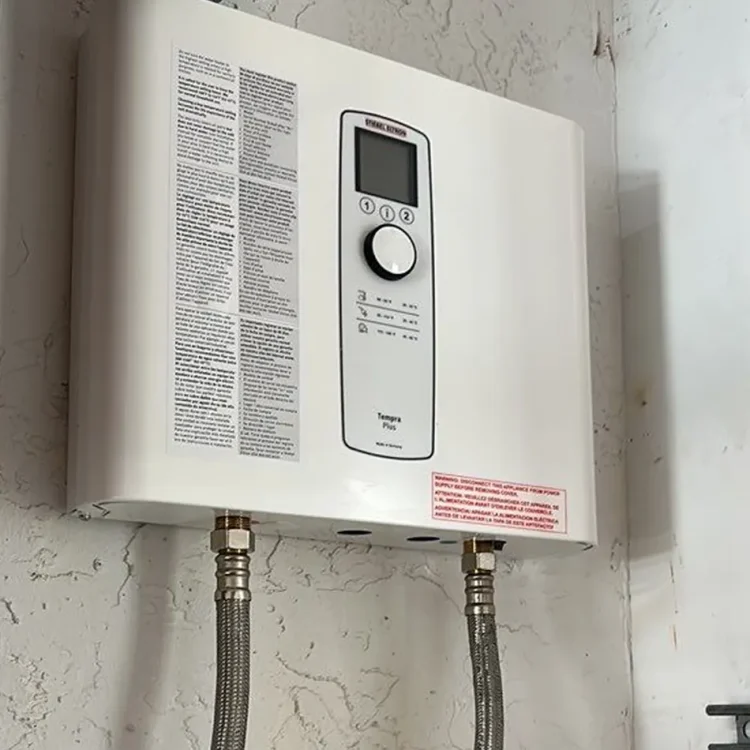
Electric tankless water heaters operate on a straightforward principle: they heat water directly without the use of a storage tank. When a hot water tap is turned on, cold water travels through a pipe into the unit, where electric heating elements warm the water. This process ensures that hot water is available on demand. The absence of a storage tank means there are fewer ongoing energy losses associated with heating a large volume of stored water, a common inefficiency in traditional tank heaters.
Energy Efficiency
One of the most compelling features of these water heaters is their energy efficiency. These units only consume power when hot water is actually needed, eliminating the standby energy loss associated with traditional water heaters. This on-demand heating capability can significantly reduce electricity usage, particularly in a climate like Miami’s, where the energy costs can be substantial.
Advantages of Electric Tankless Water Heaters
Space Savings
Electric tankless water heaters boast a compact design that occupies significantly less space than traditional tank water heaters. This is particularly beneficial in urban homes or smaller residences in Miami where space is at a premium. The ability to install the unit in a closet, or even mounted on a wall, frees up valuable floor space for other uses.
Longevity and Lower Operating Costs
These systems generally have a longer lifespan compared to their tank counterparts. While the average traditional water heater may last 10-15 years, electric tankless models can operate efficiently for up to 20 years with proper maintenance. The reduced energy usage also translates to lower operating costs over the life of the heater, providing a solid return on investment despite the higher initial cost.
Disadvantages of Electric Tankless Water Heaters
Higher Initial Cost
The upfront cost of electric tankless water heaters is typically higher than that of traditional tank systems. Installation can also be more expensive, as it may require significant electrical upgrades to support the high power demand of the unit.
Electrical Requirements
Due to their high power requirements, these water heaters often necessitate upgrades to a home’s electrical system. This might include additional circuitry or increasing capacity, which can add to the initial expense and complexity of installation.
Limitations in Output
These water heaters may also struggle to supply sufficient hot water simultaneously for multiple uses, such as running the dishwasher and showering. This limitation is particularly noticeable in larger households or where the demand for hot water is higher.
Installation Considerations
Professional Installation
Given the electrical complexities associated with these water heaters, professional installation is crucial. This ensures that the unit meets safety standards and operates efficiently. Additionally, proper installation can help in avoiding common issues such as inconsistent water temperatures and premature system failures.
Sizing and Efficiency
Choosing the correct size for an electric tankless water heater is essential to meet a household’s hot water needs efficiently. Reference our blog titled “Choosing the Perfect Size Tankless Water Heater for Your Home” for detailed guidance on sizing these systems appropriately.
Maintenance Requirements
Regular maintenance is necessary to ensure that an electric tankless water heater operates at peak efficiency. This includes routine cleaning of filters and checking the heating elements for scale build-up, particularly in areas with hard water. For more detailed maintenance tips and strategies to extend the life of your unit, refer to our blog, “Extending Your Electric Water Heater’s Lifespan: Essential Maintenance Tips“.
Who Should Consider Electric Tankless Water Heaters
Households in North Miami looking for energy efficiency and space-saving benefits might find electric tankless water heaters appealing. However, these systems are best suited for smaller families or homes with lower simultaneous hot water needs. They might not be the best option for larger families or homes with high water usage, where the limitations in output could cause inconvenience.
Electric tankless water heaters offer a promising alternative for those seeking energy-efficient solutions in their homes. While they come with higher initial costs and specific electrical requirements, the long-term savings and space efficiency can make them a worthwhile investment for the right household in Miami.
For more detailed insights into installation costs, refer to our blog titled “Unveiling Electric Water Heater Installation Costs: What Are the Hidden Expenses?“. Visit our Tankless Water Heater page to learn more about electric tankless water heaters and their benefits. If you have specific questions or need further information, do not hesitate to contact us for expert guidance tailored to your needs.
