

Trust our experts in Miami for galvanized pipe replacement, delivering reliable service and durable plumbing solutions for your home.
If your home has rusty water, low water pressure, recurring leaks, or aging galvanized plumbing, it may be time to consider galvanized pipe replacement. Many older homes in Miami still have galvanized steel pipes that gradually corrode from the inside out, restricting water flow and affecting water quality over time.
Replacing outdated galvanized pipes with modern materials like copper or PEX helps restore reliable water pressure, improve water quality, and reduce the risk of future plumbing problems. At Oasis Plumbing, we specialize in galvanized pipe replacement in Miami, providing homeowners with long-lasting plumbing upgrades designed to improve both performance and peace of mind.

Galvanized pipes often deteriorate gradually, so the warning signs can develop over many years. If your home was built several decades ago and still has its original plumbing, paying attention to these symptoms can help you address problems before they lead to costly water damage or complete pipe failure.
Rust-Colored or Discolored Water
Brown, yellow, or reddish water is one of the most common signs of corrosion inside galvanized pipes. As the protective zinc coating wears away, rust can form inside the pipe and discolor the water flowing to your faucets and fixtures.
Low Water Pressure
If your shower, faucets, or multiple fixtures throughout the home have noticeably weaker water pressure, mineral buildup and corrosion inside galvanized pipes may be restricting water flow. Unlike a localized clog, this issue often affects several plumbing fixtures at the same time.
Frequent Pipe Leaks
Occasional plumbing leaks can happen in any home, but repeated leaks in different sections of your plumbing system may indicate that the galvanized pipes have reached the end of their service life. While individual repairs may temporarily stop a leak, ongoing corrosion often leads to new failures elsewhere.
Metallic Taste or Unpleasant Water Quality
Corroded galvanized pipes can affect the taste, smell, and appearance of your tap water. If your drinking water has developed a metallic taste or seems different than it used to, aging plumbing may be contributing to the problem.
Your Home Still Has Original Galvanized Plumbing
Many older homes in Miami were originally built with galvanized steel water supply pipes. If your plumbing has never been upgraded, it may already be experiencing internal corrosion even if obvious symptoms haven't appeared yet. A professional plumbing inspection can determine the condition of your pipes and help you decide whether repair or replacement is the better long-term solution.
Galvanized pipes were widely installed in homes built several decades ago because they were strong, affordable, and resistant to rust when new. Over time, however, the protective zinc coating wears away, allowing corrosion to develop inside the pipe.
Historically, homes built in the US before the 1960s widely used galvanized pipes for water lines. These iron pipes, coated with zinc, corrode over time, affecting water pressure and quality.
When the pipes corrode, lead, a dangerous toxin, can build up in the pipes. Take note that galvanized plumbing could pose a serious health hazard. This holds true unless the pipes undergo replacement or updating with safer alternatives.
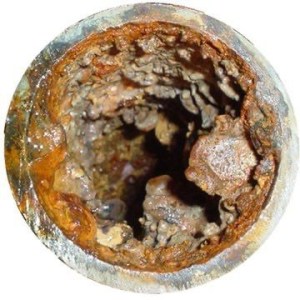

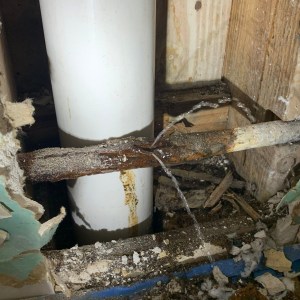
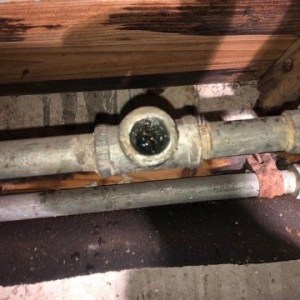

A blog post from Miami Historic Homes discusses some of the history of galvanized pipes.
Although galvanized steel pipes were once considered a durable and reliable plumbing material, most have now reached or exceeded their expected lifespan. Depending on water quality, installation conditions, and maintenance, galvanized pipes typically last around 40 to 70 years before corrosion begins affecting their performance.
As the protective zinc coating wears away, rust and mineral buildup gradually accumulate inside the pipes. This restricts water flow, reduces water pressure, increases the risk of leaks, and can affect the quality of the water coming from your faucets.
Many older homes throughout Miami still have galvanized plumbing that was installed decades ago. If your home has never undergone a plumbing upgrade, a professional inspection can determine whether your galvanized pipes are still in good condition or if replacement is the safer, more cost-effective long-term solution.
Galvanized pipes naturally deteriorate over time as the protective zinc coating wears away. As corrosion develops inside the pipes, rust and mineral buildup restrict water flow, reduce water pressure, and increase the likelihood of leaks. If your home still has old galvanized steel pipes, replacing them before they fail can help prevent costly plumbing problems and improve your home’s water quality.
Corrosion and Rust
Galvanized pipes corrode from the inside out. As rust accumulates inside the pipe walls, it can contaminate your water with rust particles, reduce pipe capacity, and weaken the plumbing system over time.
Discolored Water
Brown, yellow, or reddish water is often a sign that corrosion is occurring inside galvanized pipes. Rust particles can enter your home's water supply, affecting both its appearance and overall quality.
Reduced Water Pressure
Years of mineral buildup and internal corrosion gradually narrow the inside of galvanized pipes. This restricts water flow throughout the home, often causing weak showers, slow-filling faucets, and inconsistent pressure at multiple fixtures.
Increased Risk of Leaks
As galvanized pipes continue to corrode, the pipe walls become thinner and more susceptible to leaks. Small leaks can quickly develop into larger plumbing problems that may damage walls, floors, and other areas of your home.
Repairs Often Become Temporary Solutions
While isolated leaks can sometimes be repaired, water line repair for galvanized pipes is often only a temporary solution because corrosion continues inside the pipe walls. Many homeowners find themselves repairing one leak only to experience another in a different section of the plumbing system. When corrosion is widespread, replacing the galvanized pipes is typically the more reliable and cost-effective long-term solution.
Protect Your Home Before Major Plumbing Problems Develop
Waiting until a galvanized pipe fails can lead to water damage, mold growth, emergency plumbing repairs, and unexpected interruptions to your home's water supply. Replacing aging galvanized pipes before major failures occur helps restore reliable water flow while reducing the risk of future plumbing emergencies.
As galvanized pipes age, corrosion inside the plumbing system can affect more than just water pressure and appearance. In older homes, deteriorating galvanized pipes may contribute to water quality concerns, particularly when they are connected to older plumbing systems or have accumulated lead deposits from historical lead plumbing components. Understanding these potential risks helps homeowners make informed decisions about replacing aging plumbing systems.
Lead exposure can cause serious health problems, particularly for young children and pregnant women. This often occurs when an excessive amount of lead is present in the water supply, typically caused by aging galvanized piping. Addressing the root cause of contamination is important for protecting your home’s water quality. While certified water filtration systems may help reduce certain contaminants, replacing severely deteriorated galvanized pipes is often the most effective long-term solution when corrosion is widespread.
Lead exposure can have severe health impacts, especially for children. Even minimal lead exposure can result in harm to the brain and nervous system, attention and behavioral issues, decreased mental and physical development, hearing loss, impaired coordination and vision, and headaches.
Although adults may not be as susceptible to lead poisoning as children and elderly individuals, long-term or high-level exposure can lead to high blood pressure, bone problems, kidney issues, neurological harm, reduced fertility, pregnancy complications, digestive problems, joint and muscle pain, and memory difficulties.
Learn more about the health risks associated with aging galvanized plumbing in our blog, “Why Galvanized Water Pipe Replacement is a Must: Health Risks and Benefits Explained“.
While water filtration may help address certain water quality concerns, it does not stop the internal corrosion affecting galvanized pipes. When corrosion is widespread, replacing the plumbing system is often the most effective long-term solution.
Although not every galvanized plumbing system poses the same level of risk, aging pipes should never be ignored. If your home’s plumbing is several decades old or you’re experiencing rusty water, recurring leaks, or reduced water pressure, a professional plumbing inspection can help determine whether galvanized pipe replacement is the safest long-term solution for improving both water quality and plumbing reliability.
Yes, galvanized pipes can sometimes be repaired, but whether a repair is the right solution depends on the overall condition of your plumbing system. If the problem is limited to a single damaged section and the rest of the pipes remain in good condition, a localized repair may restore water service temporarily.
However, galvanized pipes typically corrode from the inside out. Even after one leaking section is repaired, corrosion continues throughout the remaining plumbing system. Over time, homeowners may experience additional leaks, declining water pressure, rusty water, and repeated plumbing repairs as other sections of the pipe begin to fail.
For older homes with widespread corrosion or recurring plumbing issues, repairing individual leaks often becomes a short-term solution rather than a long-term fix. In these situations, replacing the aging galvanized pipes can provide more reliable water flow, improve water quality, and reduce the likelihood of future plumbing emergencies.
A professional plumbing inspection is the best way to determine whether your galvanized pipes can be repaired or if a complete replacement is the better investment for your home. By evaluating the condition of the entire plumbing system, a licensed plumber can recommend the most practical solution based on the extent of corrosion, the age of the pipes, and your home’s long-term plumbing needs.
Choosing between repairing and replacing galvanized pipes depends on the age of your plumbing system, the extent of corrosion, and how often problems occur. While a repair may be appropriate for a minor, isolated issue, replacement is often the better long-term investment when corrosion is affecting multiple sections of the plumbing system.
A targeted repair may be sufficient if:
The leak is isolated to one section of pipe.
The rest of the galvanized plumbing is still in good condition.
Water pressure remains consistent throughout the home.
There are no signs of widespread rust, corrosion, or recurring leaks.
The repair is intended as a temporary solution while planning a future plumbing upgrade.
Replacing galvanized pipes is often recommended when:
Multiple leaks have occurred over time.
Rust-colored or discolored water is becoming more frequent.
Water pressure has declined throughout the home.
Corrosion has significantly narrowed the inside of the pipes.
The plumbing system has reached the end of its expected service life.
You are renovating an older home or upgrading the plumbing system.
Replacing aging galvanized pipes eliminates ongoing corrosion rather than addressing individual symptoms. Modern piping materials provide improved water flow, better reliability, and fewer unexpected plumbing repairs, helping protect your home for years to come.
If you’re unsure which option is right for your home, a professional plumbing inspection can assess the condition of your galvanized pipes and recommend the most practical solution based on their overall condition—not just the location of the current leak.
When galvanized pipes reach the end of their lifespan, replacing them with modern plumbing materials improves water flow, reliability, and long-term performance. The best replacement material depends on your home’s plumbing layout, budget, local building codes, and your household’s water needs.
At Oasis Plumbing, we help homeowners choose the most suitable piping material based on the condition of their plumbing system and the goals of the replacement project.

Copper has been a trusted plumbing material for decades because of its durability, long service life, and resistance to bacteria. It performs well in residential plumbing systems and is an excellent option for homeowners looking for a long-lasting solution.
Copper pipes are often recommended for homeowners who want a durable plumbing system with proven performance and excellent water quality. Although copper typically has a higher upfront cost than other materials, many homeowners view it as a worthwhile long-term investment because of its longevity and reliability.

PEX (cross-linked polyethylene) has become one of the most popular materials for residential water supply piping. Its flexibility allows it to be installed with fewer fittings than rigid piping, reducing the number of potential leak points and making installation less invasive in many homes.
PEX is also resistant to scale buildup and corrosion, making it a practical replacement for aging galvanized plumbing. In many repiping projects, PEX provides an efficient and cost-effective solution while delivering reliable water flow throughout the home.

CPVC (chlorinated polyvinyl chloride) is a durable plumbing material commonly used for residential hot and cold water supply lines. It is resistant to corrosion and chemical buildup, making it a practical replacement option for aging galvanized pipes in many homes.
One of the advantages of CPVC is its affordability compared to some other piping materials while still providing reliable performance when properly installed. However, like any plumbing material, it has limitations. As CPVC ages, it can become more brittle and may be more susceptible to cracking if exposed to significant impact or stress.
Whether CPVC is the right choice depends on your home’s plumbing system, budget, and long-term goals. During your plumbing inspection, Oasis Plumbing will evaluate your existing pipes and recommend the material that provides the best balance of durability, performance, and value for your home.
Copper has been a trusted plumbing material for decades because of its durability, long service life, and resistance to bacteria. It performs well in residential plumbing systems and is an excellent option for homeowners looking for a long-lasting solution.
Copper pipes are often recommended for homeowners who want a durable plumbing system with proven performance and excellent water quality. Although copper typically has a higher upfront cost than other materials, many homeowners view it as a worthwhile long-term investment because of its longevity and reliability.
PEX (cross-linked polyethylene) has become one of the most popular materials for residential water supply piping. Its flexibility allows it to be installed with fewer fittings than rigid piping, reducing the number of potential leak points and making installation less invasive in many homes.
PEX is also resistant to scale buildup and corrosion, making it a practical replacement for aging galvanized plumbing. In many repiping projects, PEX provides an efficient and cost-effective solution while delivering reliable water flow throughout the home.
CPVC (chlorinated polyvinyl chloride) is a durable plumbing material commonly used for residential hot and cold water supply lines. It is resistant to corrosion and chemical buildup, making it a practical replacement option for aging galvanized pipes in many homes.
One of the advantages of CPVC is its affordability compared to some other piping materials while still providing reliable performance when properly installed. However, like any plumbing material, it has limitations. As CPVC ages, it can become more brittle and may be more susceptible to cracking if exposed to significant impact or stress.
Whether CPVC is the right choice depends on your home’s plumbing system, budget, and long-term goals. During your plumbing inspection, Oasis Plumbing will evaluate your existing pipes and recommend the material that provides the best balance of durability, performance, and value for your home.
There is no single material that’s right for every home. Factors such as your home’s age, plumbing layout, accessibility, water usage, and long-term goals all influence the best choice.
During a professional plumbing inspection, Oasis Plumbing evaluates your existing plumbing system and recommends the most appropriate replacement material for your home’s specific needs. Our goal is to provide a plumbing system that delivers reliable performance, improved water quality, and long-term peace of mind for years to come.
Replacing galvanized pipes is a significant home improvement project, but with proper planning and experienced plumbers, the process can be completed efficiently while minimizing disruption to your home. At Oasis Plumbing, we follow a proven process designed to deliver reliable, long-lasting results.
Plumbing System Inspection
Every project begins with a thorough inspection of your home's plumbing system. We evaluate the condition of the existing galvanized pipes, identify areas affected by corrosion, assess water pressure, and determine whether replacement is the most appropriate long-term solution.
Personalized Replacement Plan
No two homes are exactly alike. Based on our inspection, we develop a replacement plan tailored to your home's plumbing layout, water usage, and long-term needs. We'll also recommend the most suitable replacement material, whether copper, PEX, or CPVC, and explain the benefits of each option so you can make an informed decision.
Professional Lead Pipe Replacement
Our licensed plumbers in Miami carefully remove the deteriorated galvanized pipes and install the new plumbing system using quality materials and industry-approved installation practices. Throughout the project, we work efficiently while taking steps to minimize disruption to your home whenever possible.
System Testing and Quality Check
Once the new piping has been installed, we thoroughly test the entire plumbing system to verify proper water pressure, leak-free connections, and reliable performance. Every component is inspected to help ensure your new plumbing system operates safely and efficiently.
Final Walkthrough and Homeowner Guidance
Before completing the project, we walk you through the work that was performed, answer any questions you may have, and provide practical recommendations for maintaining your new plumbing system. Our goal is to leave you with confidence that your home's water supply is reliable, efficient, and built to serve your family for years to come.
Replacing aging galvanized pipes is more than a plumbing upgrade—it’s an investment in your home’s reliability, water quality, and long-term value. Modern plumbing materials help eliminate many of the problems associated with corroded galvanized pipes while providing greater peace of mind for years to come.
Improved Water Quality
Replacing corroded galvanized pipes helps reduce rust-colored water, metallic tastes, and other water quality issues associated with aging plumbing. Modern piping materials provide cleaner, more consistent water for drinking, cooking, bathing, and everyday household use.
Stronger, More Consistent Water Pressure
Corrosion and mineral buildup inside galvanized pipes gradually restrict water flow. Installing new pipes restores proper water pressure throughout your home, helping showers, faucets, appliances, and other plumbing fixtures perform more efficiently.
Fewer Plumbing Repairs
As galvanized pipes continue to deteriorate, leaks and plumbing failures often become more frequent. Replacing the entire system addresses the underlying problem rather than repeatedly repairing individual sections, reducing the likelihood of unexpected plumbing emergencies and ongoing repair costs.
Better Protection for Your Home
Hidden pipe leaks can lead to water damage, mold growth, and costly structural repairs. Replacing aging galvanized pipes helps lower the risk of future leaks, protecting your walls, ceilings, floors, and other areas of your home from unnecessary damage.
Increased Plumbing System Reliability
Modern plumbing materials such as copper, PEX, and CPVC are designed to provide dependable long-term performance. Replacing outdated galvanized pipes gives homeowners greater confidence that their plumbing system can meet their household's daily water demands.
Added Home Value
Updating an aging plumbing system can be an attractive feature for prospective homebuyers. A modern water supply system demonstrates that an important part of the home has already been upgraded, which may increase buyer confidence and support your home's overall value.
Replacing galvanized pipes not only resolves today’s plumbing concerns but also helps prevent future problems before they become costly repairs. For many homeowners, it’s a proactive investment that improves comfort, protects the property, and provides long-term peace of mind.
Miami’s climate creates unique challenges for residential plumbing systems. High humidity, salt-laden coastal air, and year-round moisture can accelerate the deterioration of older galvanized pipes, making corrosion and plumbing problems more common than in many other parts of the country. For homeowners with aging plumbing, replacing galvanized pipes before they fail can help prevent costly water damage and unexpected repairs.
Miami’s unique climate accelerates the wear and tear on galvanized pipes. The high humidity and salt-rich air contribute to faster corrosion, increasing the likelihood of leaks and water damage. Replacing your galvanized pipes with modern materials like PEX or copper is a proactive solution that protects your home from unnecessary risks.
Replacing galvanized pipes before major failures occur helps protect your home’s plumbing system while improving water quality and reliability. Whether you’re renovating an older property or addressing recurring plumbing problems, upgrading aging galvanized pipes is a proactive investment that can help reduce future repair costs and provide greater peace of mind.

WHY CHOOSE US
At Oasis Plumbing, we specialize in delivering professional galvanized pipe replacement in Miami, ensuring your home’s plumbing system is safe, reliable, and efficient. Our comprehensive services include:
Thorough Plumbing Assessment
We inspect your entire plumbing system to locate corrosion, leaks, and areas prone to failure, ensuring nothing is overlooked.
Customized Replacement Plan
Based on your home’s specific needs, we recommend the best materials and approach for replacing your outdated pipes.
Safe Pipe Removal
Our skilled technicians carefully remove galvanized pipes, minimizing disruption and protecting your property throughout the process.
High-Quality Pipe Installation
We install top-grade PEX or copper pipes designed to withstand Miami’s unique climate and ensure long-term durability.
Comprehensive System Testing
After installation, we rigorously test the new system to confirm optimal water flow and leak-free operation.
Post-Service Support
We provide maintenance tips and ongoing support to help you maintain your upgraded plumbing system for years to come.
With years of experience providing galvanized pipe replacement in Miami, we take pride in offering quick and efficient service, using high-quality materials designed to last, and ensuring unmatched customer satisfaction with every project.
Still have questions? Call our plumbers in Miami at Oasis Plumbing today. We’ll answer your questions, explain your replacement options, and help you determine whether galvanized pipe replacement is the right solution for your home.
If your home has rusty water, low water pressure, recurring leaks, or aging galvanized plumbing, now is the right time to have your plumbing system professionally evaluated. Replacing deteriorated galvanized pipes before they fail can help improve water quality, restore reliable water flow, and reduce the risk of costly plumbing repairs.
At Oasis Plumbing, our experienced plumbers carefully inspect your existing plumbing system, explain your options, and recommend the most practical solution based on your home’s condition and long-term needs. Whether your pipes can be repaired or require complete replacement, we’ll help you make an informed decision with honest, professional guidance.


THANK YOU!
Your inquiry has been received!
We will be in touch and contact you soon!