
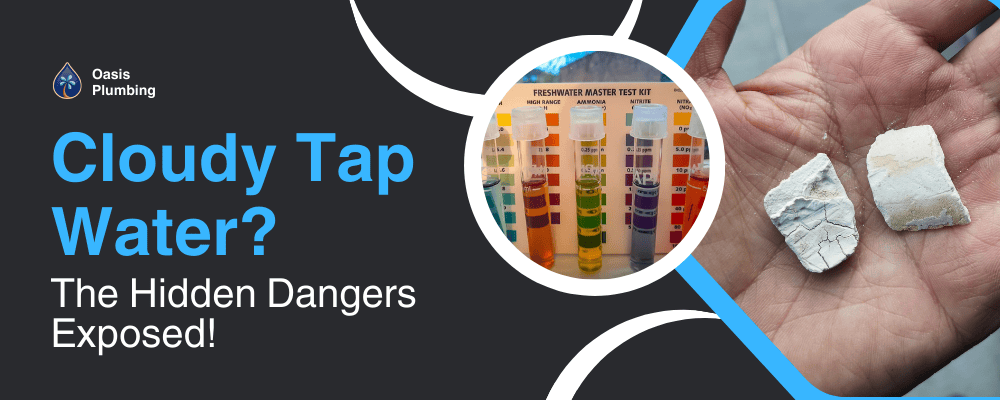
Have you ever turned on the faucet and noticed your tap water looking cloudy or milky? It’s a common issue that leaves many people wondering: Is it safe to drink? Should I be concerned? While cloudy tap water might seem harmless, it could be a sign of something more serious. In some cases, it’s just air bubbles, but in others, it could indicate tap water contamination from harmful substances. Understanding the cause is crucial for ensuring safe drinking water for you and your family.
Table of Contents
What Causes Cloudy Tap Water?
Air Bubbles (Harmless Cause)
One of the most common reasons for cloudy tap water is air bubbles. If your water looks cloudy but clears up in a few seconds, it’s likely just tiny air bubbles trapped due to pressure changes in your plumbing. This issue is generally harmless and doesn’t indicate contamination.
Sediment and Minerals
Cloudy tap water can also be caused by excessive minerals, such as calcium and magnesium, which are found in hard water. Hard water not only affects water clarity but also leaves behind white residue on faucets and appliances. If you notice buildup around your sink or showerhead, mineral deposits might be to blame.
Microorganisms and Contaminants (Potential Health Risk)
A more concerning cause of cloudy tap water is the presence of microorganisms. Bacteria, viruses, and parasites can enter the water supply through aging pipes, leaks, or poor municipal treatment. Contaminants like Giardia, E. coli, and Cryptosporidium can cause serious health issues. If your water appears cloudy for an extended period, it’s important to investigate further.
Chemical Contaminants
Municipal water treatment plants often use chemicals like chlorine and fluoride to disinfect drinking water. However, excessive amounts can affect water quality and safety. Additionally, industrial and agricultural runoff can introduce harmful toxins such as pesticides, heavy metals, and PFAS (forever chemicals), which pose long-term health risks.
Health Risks of Contaminated Cloudy Water
Potential Illnesses from Bacteria and Parasites
Contaminated tap water can lead to gastrointestinal issues such as stomach cramps, nausea, and diarrhea. Harmful microorganisms like Giardia, E. coli, and Cryptosporidium are common culprits found in unsafe drinking water. If you or your family members experience frequent digestive problems, your water quality might be a contributing factor.
Heavy Metals and Their Effects
Aging pipes can introduce dangerous metals like lead and arsenic into your water supply. Long-term exposure to heavy metals has been linked to neurological disorders, developmental issues in children, and kidney damage. If you live in an older home, testing your tap water is essential to ensure it’s free from hazardous metals.
Chemical Exposure Concerns
While chlorine is commonly used for disinfection, its byproducts, such as trihalomethanes (THMs), have been linked to potential health risks, including cancer. Another major concern is PFAS, commonly known as forever chemicals. These substances are found in industrial waste and have been associated with liver damage, hormone disruption, and immune system issues.
How to Identify if Your Cloudy Water is Safe
The “Glass Test” – Quick DIY Check
A simple way to determine if your cloudy tap water is harmless is by performing the glass test. Fill a clear glass with tap water and let it sit for a few minutes. If the cloudiness clears from the bottom up, it’s likely just air bubbles. However, if the water remains cloudy, further testing is necessary.
Check for Odor and Taste Changes
Strange smells or tastes in tap water can signal contamination. A sulfur-like smell may indicate bacterial growth, while a metallic taste could be a sign of heavy metal contamination. If your water has an unusual odor or taste, avoid drinking it until you can verify its safety.
Look for Staining or Residue in Sinks and Appliances
If you notice white residue on your faucets, it’s likely caused by hard water minerals. However, brown or orange stains in sinks and tubs might indicate rust contamination from aging pipes. These visual clues can help you determine the possible contaminants in your water.
Professional Water Testing
For a thorough analysis, consider professional water testing. Home test kits can detect common contaminants, but certified laboratory tests provide a more detailed assessment of water quality. You can also request a municipal water report to check for any known issues in your area.
How to Fix Cloudy Water: Solutions and Prevention
Short-Term Fixes
If your cloudy tap water is caused by air bubbles or minor sediment, running your tap for a few minutes can help clear it up. Using a basic water filtration pitcher can also remove some impurities, but it may not be sufficient for more serious contaminants.
Installing a Whole House Filtration System
For long-term water safety, investing in a whole house filtration system is a great solution. Reverse osmosis and activated carbon filters are two popular options. Reverse osmosis systems remove heavy metals, bacteria, and chemicals, while activated carbon filters eliminate chlorine, pesticides, and other harmful substances. Choosing the right filtration method depends on your specific water quality concerns.
Plumbing Maintenance and Pipe Upgrades
Old, corroded pipes can leach harmful contaminants into your water supply. If your home has lead or galvanized pipes, replacing them with newer materials like copper or PEX can improve water quality. Additionally, regularly flushing your plumbing system helps prevent buildup and contamination.
When to Call a Professional Plumber
If your cloudy tap water persists despite using filtration systems or running the tap, it’s best to call a professional plumber. Persistent cloudiness, strange odors, or stains may indicate deeper plumbing or contamination issues that require expert intervention.
Cloudy tap water may seem like a minor inconvenience, but it could be a warning sign of tap water contamination. While air bubbles and minerals are usually harmless, bacteria, heavy metals, and chemicals pose significant health risks. Conducting simple tests, using water filtration systems, and maintaining your plumbing can help ensure safe drinking water for you and your family.
Don’t take chances with your water quality. If you’re concerned about your tap water, contact Oasis Plumbing Miami for expert water testing and filtration solutions today!
