
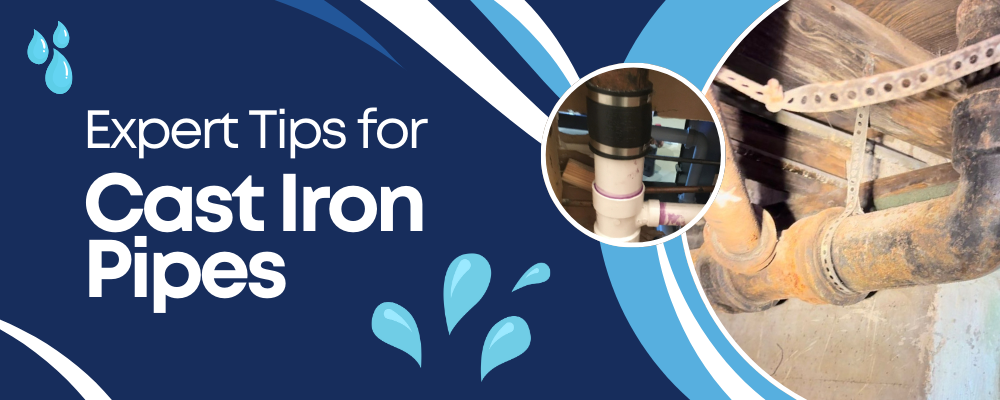
Did you know that cast iron pipes were a popular choice for plumbing in homes built before the 1980s? These sturdy pipes were renowned for their durability, often touted to last for over a century. However, even the most robust materials can succumb to the ravages of time and environmental stressors. Understanding the issues with cast iron pipes is crucial for homeowners, particularly those residing in older homes. These pipes, while initially reliable, can develop a range of problems that affect the overall plumbing system, potentially leading to significant property damage and costly repairs. In this comprehensive guide, you will learn about the common issues with cast iron pipes, including corrosion, cracking, blockages, tree root intrusions, and bellied pipes. We will also discuss practical solutions for each problem and provide valuable tips on preventive maintenance and cost-effective repair options.
Table of Contents
Corrosion and Rust
Causes
Corrosion in cast iron pipes is a natural process that occurs over time due to exposure to water and oxygen. When iron reacts with water and air, it forms iron oxide, commonly known as rust. This reaction weakens the pipe structure, making it more susceptible to leaks and breakage.
Symptoms
Homeowners can identify corrosion through several signs:
Discoloration in Water
Rusty or brownish water can indicate internal pipe corrosion.
Reduced Water Pressure
Corrosion buildup can restrict water flow, leading to noticeable drops in water pressure.
Solutions
Addressing corrosion can involve several approaches:
Epoxy Lining
This method involves applying an epoxy coating to the inner walls of the pipe, creating a barrier that prevents further corrosion.
Pipe Replacement
In severe cases, replacing the corroded sections with PVC or copper pipes is recommended. PVC pipes are resistant to corrosion, while copper pipes offer durability and longevity.
Cracking and Leaks
Causes
Cracks in cast iron pipes can result from various factors, including age, environmental stress, and shifting soil. Over time, the material becomes brittle and more prone to cracking under pressure.
Symptoms
Signs of leaking cast iron pipes include:
Damp Spots
Wet patches on walls, ceilings, or floors can indicate a leak.
Mold Growth
Persistent dampness from leaks can lead to mold and mildew.
Unexplained High Water Bills
An increase in water bills without a corresponding increase in usage often points to hidden leaks.
Solutions
There are multiple strategies for dealing with cracks and leaks:
Spot Repairs
For minor cracks, spot repairs with pipe clamps or sealing compounds can be effective.
Sectional Replacements
For more extensive damage, replacing the affected section of the pipe may be necessary.
Full Pipe Replacement
In cases where the entire pipe network is compromised, a full replacement with more durable materials might be the best option.
Blockages and Clogs
Causes
Blockages in cast iron pipes can occur due to the accumulation of debris, grease, and mineral buildup. These materials can create obstructions that restrict water flow and lead to clogs.
Symptoms
Indicators of blockages include:
Slow Drains
Water draining slowly from sinks, tubs, or toilets.
Gurgling Sounds
Unusual noises coming from drains.
Foul Odors
Bad smells emanating from drains or the plumbing system.
Solutions
Effective solutions for blockages include:
Professional Cleaning
Methods such as hydro jetting, which uses high-pressure water to clear blockages, can be highly effective.
Installing a Cleanout
Adding a cleanout access point allows for easier maintenance and clearing of future clogs.
Tree Root Intrusions
Causes
Tree roots naturally seek out sources of water and nutrients, making sewer and water pipes attractive targets. Roots can infiltrate and damage cast iron pipes, leading to severe blockages and structural damage.
Symptoms
Signs of root intrusion include:
Recurring Clogs
Persistent blockages that return even after clearing.
Visible Root Growth
Roots visible around pipe locations, particularly near sewer lines.
Solutions
To manage tree root intrusions:
Root Barriers
Installing barriers can prevent roots from reaching the pipes.
Pipe Relining
Relining the pipes with a durable material can block roots from entering.
Trenchless Pipe Replacement
This method involves replacing the damaged pipe without extensive digging, minimizing disruption to the property. For more detailed information on this innovative technique, check out our related blog titled "The Benefits of Trenchless Sewer Repair: Minimizing Disruption and Costs for Homeowners".
Bellied Pipes
Causes
Bellied pipes occur when sections of the pipe sag or sink due to ground movement or settling. This creates low points where debris and sediment can accumulate, leading to blockages and reduced water flow.
Symptoms
Signs of bellied pipes include:
Frequent Blockages
Regular clogs in specific areas of the plumbing system.
Slow Drainage
Water drains slowly in areas where the pipe has sagged.
Solutions
Addressing bellied pipes may involve:
Pipe Realignment
Correcting the alignment of the sagging pipe sections.
Trenchless Repair Methods
Techniques such as pipe bursting or pipe relining can replace or reinforce the affected pipes without extensive excavation.
Value/Savings Tips
Preventive Maintenance
To prolong the life of cast iron pipes and prevent costly repairs:
Regular Inspections
Schedule annual plumbing inspections to detect early signs of issues.
Routine Cleaning
Regularly clean drains and pipes to prevent buildup and blockages.
Water Softening
Installing a water softener can reduce mineral buildup in pipes.
Cost-Effective Solutions
Comparing the costs of different repair options:
Epoxy Lining vs. Replacement
Epoxy lining is often more affordable and less invasive than full pipe replacement.
DIY vs. Professional Help
While minor repairs and maintenance can be handled by homeowners, significant issues should be addressed by professionals to ensure long-term effectiveness.
DIY vs. Professional Help
When to handle repairs yourself and when to call a professional:
DIY Repairs
Simple tasks like unclogging drains or applying temporary fixes for small leaks can be managed by homeowners.
Professional Assistance
For complex issues such as extensive corrosion, root intrusion, or pipe realignment, it's best to hire a licensed plumber to ensure the repairs are done correctly and safely.
In this article, we have explored the common issues with cast iron pipes, including corrosion, cracking, blockages, tree root intrusions, and bellied pipes. Understanding these problems and their symptoms is essential for homeowners to maintain their plumbing systems and avoid costly repairs.
Being proactive about pipe maintenance can significantly extend the lifespan of cast iron pipes. Regular inspections and timely repairs can prevent minor issues from escalating into major problems. Remember, seeking professional help when needed is crucial for ensuring the safety and reliability of your plumbing system.
For expert guidance and personalized advice on dealing with issues with cast iron pipes, reach out to us at Oasis Plumbing Miami. Our team of professionals is ready to help you maintain and repair your plumbing system efficiently.
Explore more by reading our related blog, Understanding the Lifespan of Cast Iron Pipes, for in-depth insights on how long your pipes can last and what to expect as they age.
Don’t forget to visit our Sewer Line Repair and Repipe page for comprehensive information on maintaining and replacing your sewer lines. Contact us today to schedule an inspection or get a quote for your plumbing needs. Let us help you keep your home’s plumbing system in top condition.
