Proudly Serving all of Miami-Dade
Call us today (305) 703-8220

Common Plumbing Problems in Mobile Homes and How to Fix Them

If you live in a mobile home, you’ve probably noticed that its plumbing behaves differently from a regular house. The pipes are smaller, the fittings are often plastic, and everything runs through tighter spaces underneath your floor. When something goes wrong, it can be tricky to access — and even trickier to fix without the right know-how.
In this guide, we’ll cover the most common plumbing problems in mobile homes, why they happen, and what you can do to prevent them. Whether you’re dealing with weak water pressure, slow drains, or mysterious leaks, understanding your system can save you from future headaches — and expensive repairs.

Table of Contents

Understanding How Mobile Home Plumbing Differs
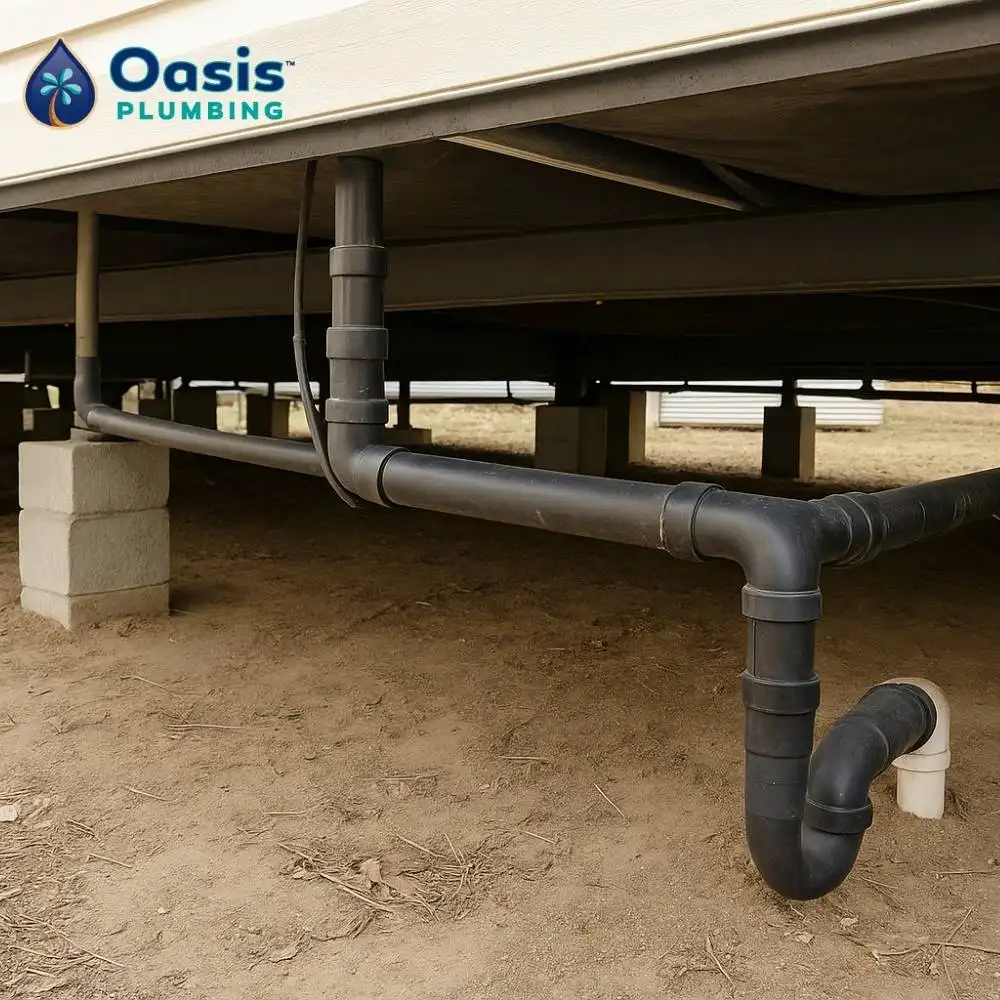
Before tackling specific issues, it helps to know what makes mobile home plumbing unique. Unlike site-built homes, which often use copper or large-diameter PVC, mobile homes typically use PEX or CPVC plastic piping that runs through the belly board (the underbelly of the home).
This setup keeps costs down and makes the home lighter, but it also introduces some challenges:

Pipes are smaller and more flexible, which can reduce pressure.

Fittings are plastic or crimped, more prone to leaks or loosening.

Access is restricted, requiring panels or insulation removal to reach the pipes.

Systems are more exposed to temperature swings and movement.

Understanding these quirks is key to diagnosing and fixing plumbing problems in mobile homes effectively.

Common Plumbing Problems in Mobile Homes

1. Low Water Pressure

Low water pressure is among the most common plumbing problems in mobile homes. It can make showers weak, dishwashers ineffective, and faucets frustrating.
Causes:

Mineral buildup in aerators or pipes

Faulty or clogged pressure regulator

Kinked PEX lines or partially closed valves

Debris inside the water filter or softener

Fixes:

Clean faucet aerators and showerheads with vinegar overnight.

Inspect under sinks for bent lines or closed valves.

Replace old regulators if pressure is inconsistent across the home.

Check the home’s main water connection for leaks or obstructions.

Pro tip: Ideal pressure is around 50–60 psi. If it’s under 40, you likely have a restriction somewhere in your system.

2. Leaking Pipes and Fittings

Leaks are another frequent headache. Because many mobile homes use plastic fittings, small cracks or loose joints can quickly turn into bigger problems — especially in humid Florida conditions.
Causes:

High water pressure stressing weak fittings

Aging or brittle PVC/CPVC pipes

Improper crimping on PEX connections

Fixes:

Inspect fittings for small drips or water stains along the belly board.

Replace old or discolored pipes with Type A PEX or Type L copper.

Use push-fit (SharkBite-style) fittings for quick, reliable repairs.

Install a ball valve shutoff near each fixture for easier isolation.

Pro tip: If leaks happen often, it’s a sign of aging material — repiping is more cost-effective long term.

3. Clogged Drains and Slow Flow

Mobile home drains are narrower and often poorly vented, which makes them clog more easily. Soap scum, grease, and hair don’t take long to cause trouble.
Causes:

Grease and food particles in kitchen drains

Hair buildup in bathroom sinks and showers

Poor slope or sagging drain pipes under the home

Blocked vent stack

Fixes:

Use enzyme-based drain cleaners (never harsh chemicals).

Clear traps and p-traps regularly.

Make sure pipes have proper slope for flow — ¼ inch per foot minimum.

If gurgling sounds occur, check the roof vent for obstructions.

Pro tip: Adding a clean-out access point during your next repair makes future maintenance faster and cheaper.

4. Water Heater Troubles

Mobile homes typically use smaller, low-capacity water heaters — often 30 gallons or less — which means they work harder and wear out sooner.
Common problems:

Lukewarm water

Rusty or discolored water

Leaks around the tank

Popping sounds from sediment buildup

Fixes:

Drain and flush the tank once a year to remove sediment.

Inspect heating elements or thermostat if water isn’t hot enough.

Replace anodes regularly to prevent rust and corrosion.

Upgrade to a tankless water heater for energy efficiency and endless hot water.

Pro tip: If your water heater is over eight years old, replacement may be more cost-effective than repair.

5. Sewer Line or Drainage Issues

Sewer problems in mobile homes are surprisingly common because the flexible drain lines underneath can shift or separate over time.
Signs of sewer trouble:

Slow-draining sinks and tubs

Gurgling or bubbling noises

Sewage odor around or under the home

Water backing up in the shower when flushing the toilet

Fixes:

Schedule a camera inspection to locate cracks or separations.

Replace damaged sections with Schedule 40 PVC and solid supports.

Add a two-way clean-out for easy future access.

Ensure the entire system has proper venting and pitch to the sewer.

Pro tip: If you’ve had repeated backups, ask your plumber about trenchless pipe lining — it can restore your drain line without digging.

6. Frozen or Burst Pipes

Even in Florida, sudden cold snaps can catch mobile homeowners off guard. Exposed underbelly pipes are particularly vulnerable.
Fixes:

Wrap exposed lines with foam insulation or heat tape.

Replace broken sections immediately with flexible PEX.

Keep a slow trickle of water running during freezing nights.

Install a main shutoff valve near the water entry point for emergencies.

Pro tip: A water leak detection system like Flo by Moen or FloLogic can alert you to bursts the moment they happen.

7. Toilet Leaks and Running Water

Toilets in mobile homes often have lightweight seals and flanges that loosen over time, leading to water waste or leaks onto the subfloor.
Causes:

Worn flapper or fill valve

Loose mounting bolts

Cracked wax ring or flange

Fixes:

Replace flappers and fill valves every few years.

Tighten bolts gently — too tight can crack the bowl.

Replace old wax rings with rubber seals that flex with movement.

Pro tip: If you notice a soft spot around your toilet, turn off water and get it inspected immediately — it can rot the subfloor quickly.

Preventive Maintenance Tips for Mobile Home Plumbing

Preventing plumbing problems in mobile homes comes down to regular maintenance and observation. Here’s how to stay ahead:

Inspect fittings and joints under sinks every few months.

Flush water heaters and check for sediment annually.

Keep drains clean using enzyme treatments monthly.

Monitor water pressure to prevent stress on fittings.

Install shutoff valves at each fixture to simplify future repairs.

Schedule annual plumbing inspections — a small investment that can prevent thousands in damage.

Proactive maintenance isn’t about doing everything yourself — it’s about spotting issues before they grow. If you catch a small drip today, you avoid a floor replacement tomorrow.

Key Takeaways

Mobile home plumbing is lighter and more flexible — and that means it needs more care.

Low pressure, leaks, and slow drains are the most common issues.

Annual inspections and basic maintenance go a long way toward preventing emergencies.

Upgrading to modern PEX piping, quality fixtures, and leak detection tech improves reliability.

If you’re unsure where a leak or clog is coming from, it’s best to call a professional plumber before tearing into panels.

Owning a mobile home doesn’t have to come with constant plumbing headaches. Once you understand the common plumbing problems in mobile homes — and how to fix them — you’ll be better prepared to handle issues quickly and confidently.
At Oasis Plumbing in Miami, we specialize in diagnosing and repairing all types of plumbing systems, including mobile and manufactured homes. Whether you need help finding a hidden leak, boosting water pressure, or upgrading to a tankless water heater, our licensed plumbers in Miami can help your system flow smoothly again.
When water doesn’t move, neither does your day — so if your plumbing’s leaking, clogged, or losing pressure, contact Oasis Plumbing today at (305) 703-8220 to get things flowing again.

Frequently Asked Questions

Because they use smaller plastic pipes, tighter layouts, and flexible connections that wear faster or shift with the home.
Avoid them — they can melt or weaken PVC and PEX. Opt for enzyme-based or mechanical cleaning instead.
Watch for soft floors, musty smells, or unexplained water bills. Professional leak detection can confirm and locate it.
Once a year is ideal — especially before hurricane season or heavy rains, when drainage and pressure issues peak.

Type A PEX is durable, flexible, and freeze-resistant, making it ideal for most mobile home retrofits.

Oasis Plumbing in North Miami

THANK YOU!

Your inquiry has been received!

We will be in touch and contact you soon!