
Imagine this: you’re filling a bucket with a garden hose, and the hose tip drops into the soapy, grimy water. Suddenly, there’s a drop in water pressure — maybe a fire hydrant opened nearby. That dirty bucket water could siphon back through the hose into your home’s clean water system. Gross, right?
Most homeowners don’t realize their drinking water could be vulnerable to backflow until it’s too late. Contaminated water entering your supply line isn’t just unpleasant — it’s a health hazard.
That’s why understanding backflow preventers for water lines is so important. In this article, we’ll break down what a backflow preventer is, when it’s required, how to tell if you need one, and what happens if you skip it.
Table of Contents
What Is a Backflow Preventer? (And Why It Matters)
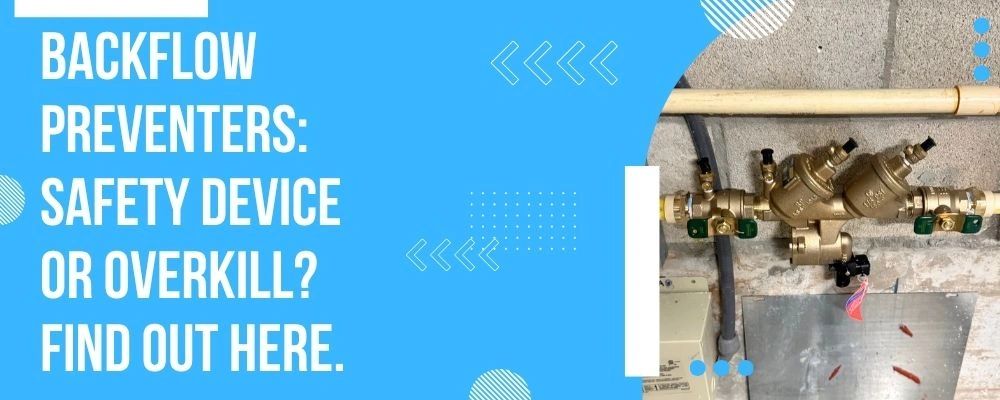
A backflow preventer is a mechanical device that stops dirty or contaminated water from flowing backward into your clean water supply.
How it works:
It uses a one-way valve to allow water to flow in only one direction.
If there’s a sudden drop in pressure or a reversal in flow, the valve closes automatically to prevent backflow.
Why it exists: Clean drinking water is a public health necessity. If water used for irrigation, industrial cleaning, or even household activities reverses direction, it could bring fertilizers, chemicals, sewage, or bacteria into the same lines that supply your kitchen sink.
Quick Answer: Do you need a backflow preventer? Yes, if there’s any risk that polluted water could enter your potable water system, or if local building codes require it.
When Is a Backflow Preventer Required? (According to Code and Common Sense)
Your city or state plumbing code might legally require a back flow preventer for water lines under certain conditions.
Situations That Typically Require One
Lawn irrigation systems
Fire sprinkler systems
Water softeners or filters that drain into sewer lines
Boilers or radiant heating systems
Private wells or cisterns connected to your plumbing
Real-World Example: Florida
In Miami and across Florida, many local codes mandate backflow prevention for irrigation systems and commercial buildings. If you’re adding sprinklers, installing a water softener, or remodeling a home, an inspection could flag missing devices.
Common Triggers for Backflow Inspection:
New construction or major renovations
Installing or modifying outdoor faucets or hose bibs
Boilers or radiant heating systems
Connecting a second water source (like well water) to your home
Signs You Might Need a Backflow Preventer (Even If Not Required)
Just because your city doesn’t force you to install a backflow device doesn’t mean you shouldn’t consider it. Here are red flags that your water system could be at risk:
You have a sprinkler system or chemical fertilizer injector
Your hose often ends up submerged in pools, buckets, or tanks
You use a secondary water source, such as a rainwater tank or well
Your water occasionally smells or tastes funny, especially after hydrant use or nearby construction
You installed a filtration or softener system that drains into a floor or utility sink
If any of these sound familiar, it’s smart to evaluate your plumbing setup.
Types of Backflow Preventers: Which One Fits Your Setup?
Backflow prevention isn’t one-size-fits-all. The type you need depends on your risk level and water system layout.
Common Types:
Atmospheric Vacuum Breakers (AVB)
Simple, low-cost devices for outdoor spigots or garden hoses.
Pressure Vacuum Breakers (PVB)
Great for irrigation systems; require annual testing.
Double Check Valve Assemblies (DCVA)
Provide moderate protection; often used in residential and small commercial setups.
Reduced Pressure Zone Assemblies (RPZ)
High-risk installations like hospitals, factories, or restaurants often use these; they offer the highest level of protection.
Hose Bib Vacuum Breakers
Small, screw-on fittings that attach to outdoor faucets; inexpensive and easy to install.
Pro Tip: Not sure what your property needs? Contact your plumber or local utility to ask about cross-connection control requirements in your area.
What Happens Without a Backflow Preventer?
Ignoring backflow prevention might save money upfront — but it could cost you big in the long run.
Real Risks:
Water contamination
Pesticides, waste, or industrial chemicals could enter your drinking water — a risk we explain further in our blog, "Backflow Contamination: The Silent Threat to Your Water Supply".
Failed inspections
Especially important when selling, refinancing, or renovating
Legal penalties
Many municipalities enforce fines or require urgent retrofits if violations are found
Service shutdowns
Utilities may cut off water to your home or business until you’re in compliance
Health threats
Ingesting backflow-contaminated water can lead to illness, especially in children, seniors, or those with compromised immune systems
Bottom line: Protecting your water supply is more than just regulatory — it’s about protecting your family.
Summary: Should You Install a Backflow Preventer?
Here’s a quick checklist:
Do you have an irrigation system?
Is your home connected to a well, cistern, or secondary source?
Did you install a filtration or softening system draining to a floor drain?
If you answered yes to any of the above, installing a back flow preventer for water lines is probably the right call.
Key Takeaways
Cost depends on the type
Testing and permits may be required, especially for PVB, DCVA, and RPZ setups.
Your local plumber or utility can perform a site-specific assessment.
Don’t gamble with your water supply — secure it properly.
Water safety isn’t something you notice until something goes wrong. But with a properly installed backflow preventer, you can stop contamination before it starts. Whether you’re in Miami or anywhere else, it pays to be proactive.
Worried about your water lines? Call Oasis Plumbing Miami today to schedule a backflow evaluation and ensure your family’s water stays clean, clear, and safe.
Frequently Asked Questions
How do I know if my home already has a backflow preventer?
Check near your outdoor spigots, irrigation control box, or water meter. Look for a device with a valve, often with test cocks or shut-off handles.
Can I install a backflow preventer myself?
A: Simple devices like hose bib vacuum breakers are DIY-friendly. More complex systems like RPZs should be installed by a licensed plumber, and often require permits and inspections.
Is a backflow preventer the same as a check valve?
Not exactly. All backflow preventers use check valves, but not all check valves are tested or certified to stop contamination.
What does backflow testing involve?
A certified tester checks the valve’s ability to seal against reverse pressure using specialized gauges. It usually takes under an hour.
Can I skip the test if everything seems fine?
If your jurisdiction requires annual testing (common with RPZs), skipping can result in fines or water shutoff. Play it safe, get it tested.
