
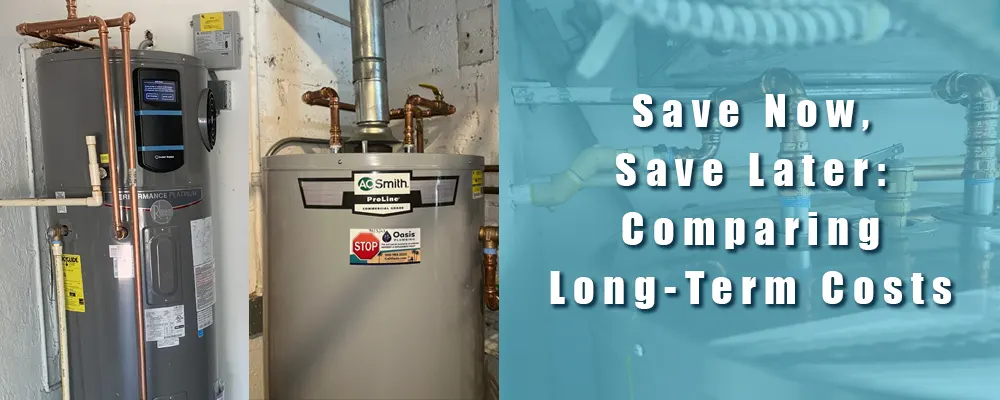
Choosing the right water heater in Miami is a significant decision for any homeowner, impacting both comfort and household expenses. With options ranging from traditional gas water heaters to modern electric models, the decision often boils down to cost-effectiveness. This comparison takes into account not just the initial purchase and installation costs, but also operating expenses, efficiency, and environmental considerations. Whether upgrading an existing system or installing a new one, understanding these factors can lead to a more informed and beneficial choice.
Table of Contents
Comparing Upfront Costs: Electric vs. Gas Water Heaters
When comparing electric and gas water heaters in Miami, the initial purchase price is often the first consideration. Electric water heaters generally come with a lower sticker price than their gas counterparts. However, the total initial cost is not just about the purchase price; installation complexity and any necessary home modifications can significantly affect the overall cost.
Gas water heaters in Miami require venting to the outside, which can add to installation complexity and cost. If your home does not already have gas lines in place, the additional expense of installing gas lines and potentially modifying existing infrastructure can make the initial investment in a gas water heater considerably higher than for an electric model. Wondering if plumbers handle gas lines for gas water heater installations? Find out in our blog “Do Plumbers Deal with Gas Lines? What Homeowners Must Know“.
Electric Water Heaters: Purchase and Installation
Electric water heaters, known for their straightforward installation process, often come at a lower initial cost compared to gas heaters. The purchase price for a standard electric water heater typically ranges from $300 to $700, making it an attractive option for those on a tight budget. The installation is relatively simple, as it requires only an electrical connection, which most homes are already equipped to handle. This simplicity often results in lower installation fees, generally between $700 and $1,000, depending on local labor rates and any minor electrical upgrades that might be necessary.
Gas Water Heaters: Purchase, Installation, and Modifications
Gas water heaters, although offering potential savings in operating costs, have a higher upfront price. The cost of purchasing a gas water heater can vary significantly, usually between $400 and $1,000, influenced by factors such as capacity and energy efficiency ratings. Installation costs are also higher, ranging from $1,000 to $1,500 or more, due to the complexity of venting requirements and the need to connect the unit to the home’s gas line. For homes without existing gas infrastructure, additional costs can include running gas lines and installing ventilation, potentially adding thousands to the initial investment. These modifications not only increase the cost but also the time required for installation.
Considerations for Initial Costs
The decision between electric and gas water heaters in Miami cannot be made on purchase and installation costs alone. Homeowners must consider the availability of gas infrastructure, the potential need for electrical system upgrades, and the long-term impact of these initial investments on overall cost-effectiveness. In regions where electricity costs are high, the lower initial investment in an electric water heater may be quickly offset by higher operating costs, whereas the initial higher costs of a gas water heater might be recuperated over time through lower utility bills.
Get an Accurate Installation Estimate
Call Oasis Plumbing at (305) 703-8220 for professional electric or gas water heater installation in Miami.
Analyzing Operational Costs: Electric vs. Gas Water Heaters
Operating costs are a critical factor in the long-term cost-effectiveness of water heaters. These costs are influenced by the energy source (electricity vs. natural gas), efficiency of the unit, and local utility rates.
Electric Water Heaters: Efficiency and Cost
Electric water heaters are generally more efficient than gas models, with most electric units converting nearly all the electricity they consume into heat. Despite this high efficiency, the cost of electricity in many regions makes electric water heaters more expensive to operate. The average cost to operate an electric water heater ranges from $400 to $600 annually, depending on local electricity rates and usage patterns.
Gas Water Heaters: Fuel Cost Advantages
Gas water heaters, although less efficient in terms of energy conversion (losing some energy through venting), benefit from the lower cost of natural gas compared to electricity in many areas. This can result in lower annual operating costs, typically between $300 and $400, making gas water heaters an attractive option for cost-conscious homeowners. Additionally, advanced models with higher efficiency ratings and condensing technology can further reduce operating expenses, albeit at a higher initial cost.
The Impact of Regional Energy Costs
The relative cost-effectiveness of electric vs. gas water heaters is heavily influenced by regional variations in energy prices. In areas with low electricity rates or high natural gas prices, an electric water heater may be more economical over its lifespan. Conversely, in regions where natural gas is cheaper, a gas water heater could offer significant savings. It’s important for homeowners to research local energy prices and consider future rate fluctuations when making their decision.
Lower Your Monthly Energy Bills
Speak with Oasis Plumbing at (305) 703-8220 to choose the most cost-efficient water heater for your home.
Comparing Energy Efficiency and Performance: Electric vs. Gas Water Heaters
Efficiency and performance significantly influence the long-term cost-effectiveness and satisfaction with a water heater. Here, we’ll compare electric and gas water heaters in terms of thermal efficiency, recovery rates, and their capacity to meet household demands.
Thermal Efficiency
Thermal efficiency measures how well a water heater converts energy into usable heat. Electric water heaters boast high thermal efficiency, often exceeding 90%, as they directly convert electricity into heat without significant loss. Gas water heaters, on the other hand, have lower thermal efficiencies, typically between 60% and 70% for standard models, due to heat loss through venting. However, condensing gas water heaters can achieve efficiencies up to 95% by condensing the steam in the exhaust to water and recovering its latent heat.
Recovery Rates
The recovery rate of a water heater refers to how quickly it can heat water after the initial hot water supply has been depleted. Gas water heaters generally have higher recovery rates than electric models, making them better suited for households with high hot water demands. For example, a gas water heater can typically recover at a rate of 40 to 50 gallons per hour, compared to 20 to 25 gallons per hour for an electric heater. This means that during peak usage times, gas heaters are more likely to keep up with demand.
Capacity and Demand
Choosing the right capacity is crucial for both types of water heaters. A unit too small for a household’s needs will lead to frequent shortages of hot water, while an excessively large unit will incur unnecessary energy costs. Electric water heaters range in capacity from 28 to 100+ gallons, whereas gas models are available from 30 to 75+ gallons. The ideal size depends on the household’s peak hot water use, which involves considering the number of occupants and simultaneous hot water needs.
Choose the Right Recovery Rate for Your Home
Schedule a professional consultation today at (305) 703-8220 with Oasis Plumbing.
Environmental Considerations of Electric and Gas Water Heaters
The environmental footprint of water heaters is another critical consideration, encompassing emissions, the impact of energy sources, and the sustainability of the units themselves.
Emissions
Gas water heaters emit greenhouse gases during combustion, contributing to air pollution and climate change. The extent of the impact depends on the efficiency of the unit and the source of the natural gas. Electric water heaters, while not directly emitting greenhouse gases at the point of use, may still contribute to environmental pollution if the electricity they use is generated from fossil fuels. However, their environmental impact can be significantly lower in regions where electricity is produced from renewable sources like hydro, wind, or solar.
Renewable Energy Integration
Electric water heaters offer the potential for integration with renewable energy sources, making them more sustainable over time. For homes equipped with solar panels or in areas with a high proportion of renewable energy in the grid, electric water heaters can operate with a much lower carbon footprint compared to gas models. This integration aligns with global trends toward cleaner energy use and can further enhance the cost-effectiveness of electric water heaters when considering environmental externalities.
Lifespan and Recyclability
Both electric and gas water heaters have comparable lifespans, typically ranging from 10 to 15 years, depending on the model, maintenance, and water quality. In terms of recyclability, electric water heaters have fewer components that might pose environmental hazards at the end of their life. Gas water heaters, with their metal and electronic components, can also be recycled but may require more specialized processing due to the combustion elements.
Upgrade to a More Efficient System
Call Oasis Plumbing at (305) 703-8220 to discuss energy-efficient water heater options in Miami.
Key Takeaways
Electric water heaters have lower upfront installation costs but may have higher annual operating expenses.
Gas water heaters cost more initially but often offer lower long-term fuel costs.
Gas units typically recover hot water faster than electric models.
Local utility rates heavily influence long-term cost-effectiveness.
Environmental impact varies depending on energy source and efficiency rating.
Choosing between an electric and gas water heater in Miami requires evaluating upfront costs, long-term operating expenses, recovery performance, and environmental impact. While electric models offer simpler installation and high efficiency, gas systems often provide lower fuel costs and faster recovery rates for households with higher hot water demand.
The most cost-effective solution depends on your home’s energy infrastructure, utility rates, and usage patterns. Careful evaluation ensures your investment delivers reliable performance and manageable operating expenses for years to come.
If you’re also weighing alternative energy-efficient options, our blog “Traditional Water Heaters Are Costing You—Is a Heat Pump Better?“ explores whether a heat pump water heater could be the smarter choice.
As you continue comparing options, read our related article on “Navigating the Pros and Cons of Water Heater Types“ for deeper insights. When you’re ready to choose the most cost-effective system for your home, call Oasis Plumbing at (305) 703-8220 for professional guidance and installation.
Frequently Asked Questions
Which is cheaper to operate in Miami: electric or gas water heaters?
Gas water heaters are often cheaper to operate in Miami due to lower natural gas prices compared to electricity, though actual savings depend on local utility rates and household usage patterns.
Do gas water heaters heat water faster than electric models?
Yes. Gas water heaters typically have higher recovery rates, allowing them to heat larger volumes of water per hour compared to electric units.
Are electric water heaters more energy-efficient?
Electric water heaters convert nearly all consumed electricity into heat, resulting in high thermal efficiency, though electricity costs may impact overall operating expenses.
Is installation more expensive for gas water heaters?
Gas water heater installation is usually more expensive because it may require venting, gas line connections, and infrastructure upgrades.
Which water heater is better for large families?
Gas water heaters are often better for large families due to faster recovery rates, though properly sized electric models can also meet high demand.
