

When it comes to powering your home safely and efficiently, few systems are as important—or as overlooked—as your gas line installation. Whether you’re setting up a gas stove, water heater, pool heater, or outdoor grill, understanding how these systems work (and where homeowners commonly go wrong) can save you from dangerous and expensive problems down the road.
This guide covers everything you need to know about gas line installation, from how it works to the most common mistakes to avoid, plus a few smart tips to keep your home safe year-round.
Table of Contents
What Is a Gas Line Installation?
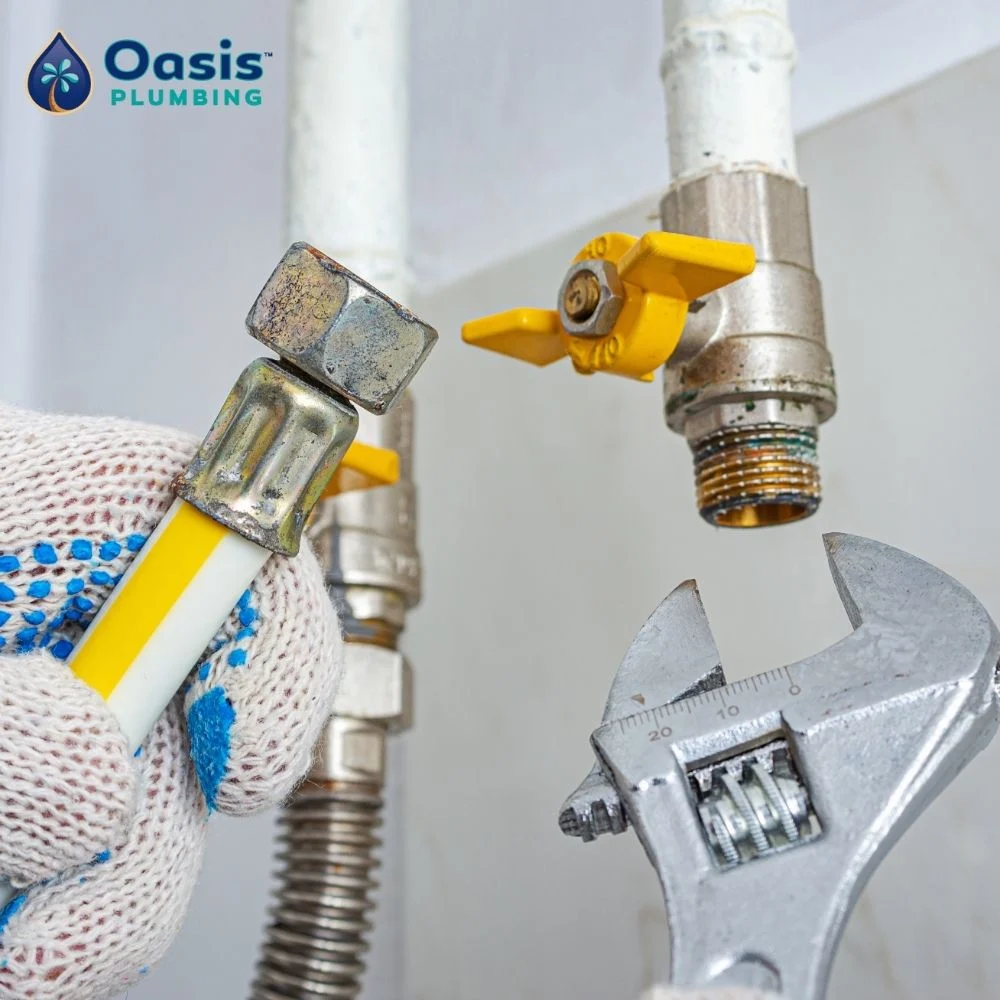
A gas line installation is the process of running and connecting pipes that deliver natural gas or propane from your meter or tank to appliances inside or outside your home.
These lines are usually made of black iron, copper, or CSST (corrugated stainless steel tubing), depending on local code and the specific appliance being served.
In Miami homes, natural gas is most often used for:
Kitchen stoves or cooktops
Tankless or tank-type gas water heaters
Dryers
Outdoor BBQs and fire pits
Pool or spa heaters
Gas fireplaces
Because these systems handle a combustible fuel under pressure, installation must meet both plumbing codes and safety regulations. It’s not a DIY project — gas leaks can be catastrophic if handled incorrectly.
Why Proper Gas Line Installation Matters
Even a tiny leak or poorly sized line can cause:
Gas leaks, leading to health risks or explosions
Appliance malfunction (like low flames or pilot light failure)
Pressure drops, reducing efficiency
Corrosion or early pipe failure
A properly installed system ensures:
Steady gas pressure for all appliances
Safe venting and shut-off accessibility
Long-term reliability with minimal maintenance
At Oasis Plumbing, we’ve seen firsthand how a small shortcut—like using the wrong fittings or skipping a pressure test—can lead to major damage later.
Common Gas Line Installation Mistakes Homeowners Make
Even with good intentions, many homeowners (and sometimes even inexperienced installers) make critical errors. Here are the top ones to avoid:
1. Using the Wrong Pipe Material
Not all piping is created equal. Using PVC or galvanized steel for gas lines is a major hazard—these materials can crack or corrode quickly.
Use: Black iron or CSST rated for gas applications, as required by Miami-Dade code.
2. Improper Sizing
Each gas appliance has a BTU (British Thermal Unit) rating. If the gas line is too small, the appliance will starve for gas, leading to flickering flames or shutdowns.
Proper sizing involves calculating total BTU load, pipe length, and allowable pressure drop — something only a licensed plumber should do.
3. Skipping Pressure Tests
Before any gas line goes live, it must be pressure tested to verify there are no leaks. Some homeowners skip this step when extending a line for a BBQ or fire pit, which can lead to slow, undetected leaks.
Oasis Plumbing performs a full pressure and safety leak inspection on every gas job.
4. Improperly Installed Fittings
Threaded connections that aren’t sealed properly or fittings overtightened can cause small leaks that worsen over time. Gas tape or pipe dope must be rated specifically for gas, not water.
5. Burying Lines Without Proper Protection
Outdoor gas lines for grills, pool heaters, or fire pits must be buried to specific depths and often require protective sleeves to prevent corrosion. Failing to follow these guidelines can cause leaks underground that go unnoticed until pressure drops or the line fails completely.
6. Neglecting Ventilation Requirements
Indoor gas appliances need proper combustion air and venting. Blocking or undersizing vents can lead to carbon monoxide buildup—a deadly mistake.
7. DIY Repairs and Add-Ons
We get it—you just want to “add one quick tee” to hook up a new grill. But any modification to a gas system changes pressure dynamics for the entire system.
Even a small extension should be done by a licensed plumber and pressure-tested afterward.
Indoor Gas Line Installation
Inside the home, gas line installations usually serve:
Stoves and cooktops
Gas dryers
Water heaters
Fireplaces
For indoor systems:
Always ensure there’s an accessible shut-off valve near each appliance.
Use flexible stainless connectors approved for indoor gas use.
Never run flexible lines through walls or cabinets—they’re meant for exposed connection only.
Oasis Plumbing installs and pressure-tests each appliance connection, verifying safe ignition and operation before completion.
Outdoor Gas Line Installation
Outdoor setups are increasingly popular in Miami for:
Grills and outdoor kitchens
Pool heaters
Fire pits and patio heaters
When installing or extending outdoor gas lines:
Use underground-rated polyethylene piping (PE) with proper tracer wire.
Maintain at least 12–18 inches of burial depth (varies by code).
Install shut-off valves before entering outdoor appliances for easy service.
Protect exposed sections with steel risers and corrosion-resistant coatings.
Many homeowners underestimate the BTU demand of a pool heater or fire pit, which can exceed 250,000 BTU — requiring larger pipe sizes than typical BBQ lines.
Professional Gas Line Installation: What to Expect
When you call Oasis Plumbing for gas line installation, here’s what happens:
- Site Evaluation & Load Calculation – We inspect your appliances, measure distances, and calculate BTU demand.
- Material & Layout Planning – Select pipe type and route according to code.
- Installation & Secure Mounting – Run and connect all lines, valves, and fittings.
- Pressure & Safety Leak Test – Performed with air, not gas, before activation.
- Appliance Connection & Testing – Confirm proper ignition, pressure, and flow.
- Final Safety Walk-Through – Review shut-offs, warning signs, and maintenance tips with the homeowner.
We also offer annual gas safety inspections, especially if your system feeds multiple outdoor appliances or pool heaters.
Safety Tips for Homeowners
Know the smell of gas (rotten eggs). If you smell it, leave immediately and call your gas provider.
Don’t move or tamper with gas meters or valves yourself.
Have gas appliances serviced yearly by a licensed professional.
Avoid blocking vents or storing flammable materials near appliances.
Label shut-off valves clearly for emergency use.
Signs You May Have a Gas Line Issue
Faint odor of gas around appliances or outdoors
Hissing or whistling sounds near gas lines
Dead vegetation near buried lines
Pilot lights going out frequently
Higher than usual gas bills
If you notice any of these, turn off your gas at the meter (if safe to do so) and call a professional immediately. Don’t take chances. For a deeper dive into what that “rotten egg” smell really means, check out our blog “Gas Leak Warning: What to Do If You Smell Rotten Eggs”.
Key Takeaways
Gas line installation must follow strict safety and code requirements.
Always use materials rated for gas and sized according to total BTU load.
Pressure testing is non-negotiable — even for small extensions.
Avoid DIY work; gas systems are not a trial-and-error project.
Schedule periodic inspections to prevent corrosion and leaks.
When it comes to gas systems, there’s no margin for error. Whether you’re connecting a new appliance or running an outdoor line for your grill, safe and code-compliant gas line installation protects your family, home, and investment.
If you’re unsure about your current setup—or planning an upgrade—let the licensed experts at Oasis Plumbing handle it from start to finish.
When gas isn’t flowing safely, neither does your peace of mind.
If you’re planning a gas line installation or need a safety inspection, call Oasis Plumbing today at (305) 703-8220 or book online to schedule your service.
Frequently Asked Questions
How long does gas line installation take?
Most residential jobs take 2–6 hours, depending on length and complexity. Larger outdoor runs or pool heaters may take a full day.
Can I install my own gas line if I’m handy?
No. In Miami-Dade, all gas line work requires a licensed plumbing contractor and a permit. DIY gas work is illegal and unsafe.
What’s the lifespan of a gas line?
With proper materials and maintenance, black iron lines can last 40–50 years, while flexible CSST or PE lines typically last 25–30 years.
Do gas lines need maintenance?
Yes — especially outdoor and underground systems. Annual leak and pressure checks are recommended.
Does Oasis Plumbing offer gas line repair or inspection?
Absolutely. We handle new installations, repairs, and annual safety checks for residential and commercial properties across Miami and surrounding areas.
