Installing a water softener in your home can significantly improve your water quality, leading to numerous benefits, including prolonged appliance life, reduced plumbing repair bills, and improved water taste and safety. However, the initial step of installation comes with its own set of questions, the most pressing of which is: how much does it cost? The answer isn’t straightforward, as costs can vary widely based on several factors ranging from the type of system you choose to the complexity of installation. This comprehensive guide aims to demystify the costs associated with installing a water softener, breaking down the various elements that influence the overall price. Whether you’re considering a do-it-yourself (DIY) approach or thinking about hiring professionals, understanding these factors will help you make informed decisions that suit your budget and meet your water quality needs.
Table of Contents
Factors Influencing Installation Costs
Types of Water Softener (Salt-based, Salt-free, Dual-tank)
The market offers several types of water softeners, each with its own mechanism for treating hard water. The choice between salt-based, salt-free, and dual-tank systems can significantly affect the installation cost due to differences in unit price, complexity of installation, and space requirements.
Salt-based water softeners
Salt-based water softeners use ion exchange to remove minerals like calcium and magnesium, which cause water hardness. These systems are highly effective but require a drain for brine discharge, potentially increasing installation complexity and cost.
Salt-free water softeners
Salt-free water softeners condition water rather than softening it, preventing minerals from depositing as scale without removing them. These systems are often easier and cheaper to install, as they don't need a drain connection but may not be as effective in very hard water areas.
Cost-effectiveness
Tank water heaters are generally less expensive to purchase and install than their tankless counterparts. This makes them a budget-friendly option for many homeowners, especially those looking for a straightforward replacement without the need for extensive plumbing modifications.
Dual-tank water softeners
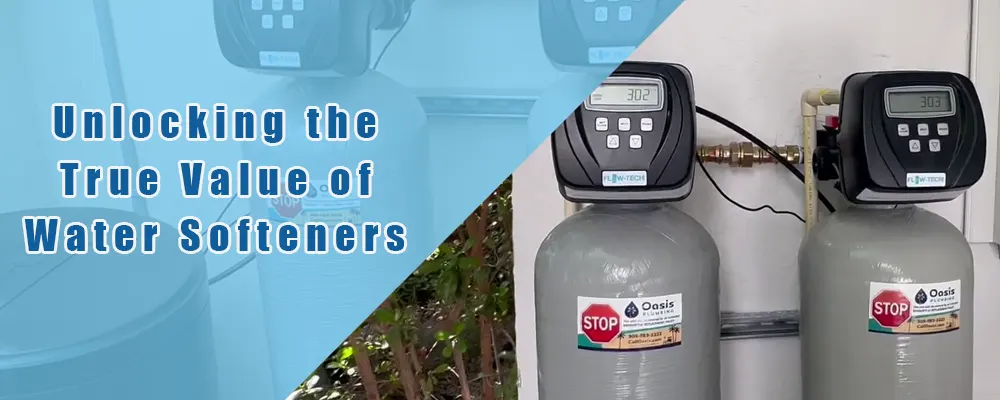
Dual-tank water softeners consist of two tanks, allowing one to regenerate while the other supplies softened water, providing an uninterrupted supply. The higher capacity and continuous availability make them ideal for large households but also mean higher costs for both the unit and installation.
Size and Capacity
The size and capacity of the water softener you need depend on your household’s water usage and the hardness of your water. Larger homes with higher water usage and harder water require systems with higher capacities, which are more expensive to purchase and install. It’s important to accurately assess your needs to avoid overspending on overly large systems or underspending on systems that can’t handle your water usage.
Plumbing Requirements
Your existing plumbing can significantly affect installation costs. Older homes may need plumbing updates to accommodate a water softener, especially if you’re installing a system for the first time. Accessibility and the need for additional components like shut-off valves, bypass valves, and pressure regulators can also add to the cost.
Location and Accessibility
The intended location of your water softener affects installation complexity and cost. Easy-to-access areas like basements or garages with existing plumbing lines can keep costs down. However, installations in cramped spaces or where significant plumbing modifications are required will increase labor hours and expenses.
Comparing Professional Installation to DIY for Water Softeners
Choosing between professional installation and a do-it-yourself (DIY) approach for your water softener in Miami can significantly impact both the initial cost and the long-term effectiveness of your system. Each option has its advantages and disadvantages, which are crucial to consider before making a decision.
Pros and Cons of Professional Installation
- Pros:
Expertise and Experience
Professional installers have the necessary skills and experience to handle complex installations, ensuring your system is set up correctly for optimal performance.
Time-Saving
Hiring professionals can significantly reduce the time it takes to get your water softener up and running, as they come equipped with the right tools and knowledge.
Warranty and Support
Many professional installations come with a service warranty, offering peace of mind and support in case of future issues.
- Cons:
Cost
The primary drawback of professional installation is the cost, which can be significantly higher than DIY, depending on the complexity of the installation and local labor rates.
Scheduling
Finding a reliable service provider and scheduling the installation at a convenient time can be challenging, especially in busy periods.
Pros and Cons of DIY Installation
- Pros:
Cost Savings
The most apparent advantage of DIY installation is the potential for cost savings, as you're not paying for professional labor.
Learning Experience
Installing a water softener yourself can be a rewarding learning experience, giving you a deeper understanding of your home's plumbing system and how water softening works.
- Cons:
Risk of Mistakes
Without the proper knowledge and tools, there's a higher risk of making mistakes that could lead to poor performance or even damage to your plumbing system.
Time and Effort
DIY installations can be time-consuming, especially for those who are not familiar with plumbing work. It might take significantly longer than it would for a professional.
Skill and Experience Requirements for DIY Installation
For those considering a DIY approach, it’s essential to honestly assess your skills and experience with home improvement projects, particularly plumbing. Successful DIY installation requires:
Basic Plumbing Knowledge
Understanding how your home's plumbing system works is crucial, as you'll need to connect the water softener to your water supply and drainage.
Technical Aptitude
You'll need to follow the manufacturer's installation instructions precisely, which may include cutting pipes, soldering, and programming the water softener.
Proper Tools
Ensure you have all the necessary tools for the job, which may include pipe cutters, wrenches, Teflon tape, and more.
Understanding Long-term Maintenance Costs of Water Softeners
Maintaining a water softener in Miami is crucial for ensuring its longevity and efficiency. While the initial installation is a significant factor, the long-term maintenance costs can also impact your budget over time. Here’s what you need to consider to keep your water softener in top condition.
Regular Maintenance Requirements
Water softeners require regular maintenance to operate effectively. This includes:
Salt Refills for Salt-based Systems
You'll need to replenish the salt periodically, depending on your water usage and the system's capacity. The cost of salt varies, but budgeting for this recurring expense is necessary.
Resin Bed Cleaning
Resin beds need to be cleaned occasionally to maintain efficiency. While you can do this yourself with a resin cleaner, there's a cost associated with the cleaning agents.
Filter Replacements
Some systems have pre-filters or post-filters that need regular replacement to protect the softening system and improve water quality.
Cost of Replacement Parts
Over time, parts of your water softener may wear out and need replacement. This can include valves, o-rings, resin beads, and more. The cost of these parts varies widely depending on the model and manufacturer but planning for these eventualities can help prevent surprises.
Potential Service Fees
If you’re not comfortable performing maintenance or repairs yourself, or if a complex issue arises, you might need to hire a professional. Service fees can vary based on the nature of the problem and local labor rates. Having a go-to service provider can simplify this process, but it’s wise to budget for these potential costs.
Warranty Coverage and Service Plans
Many water softeners come with a warranty that can cover parts and labor for a certain period. Understanding the terms of your warranty is crucial, as it can save you money on repairs. Additionally, some companies offer service plans that include regular maintenance and repairs for a monthly or annual fee. While this can add to your overall cost, it also provides peace of mind and can help prevent larger, more expensive issues down the line.
Understanding Potential Savings on Energy Bills and Appliance Lifespan
While the upfront and maintenance costs of a water softener in Miami are important considerations, it’s also vital to recognize the potential savings. Softened water can lead to lower energy bills and extend the lifespan of your appliances, offering long-term financial benefits.
Reduction in Soap and Detergent Usage
Soft water requires less soap and detergent for effective cleaning, as it doesn’t contain minerals that interfere with these products. This can lead to significant savings on household cleaning supplies over time.
Extended Lifespan of Water-using Appliances
Hard water can cause scale buildup in appliances like water heaters, dishwashers, and washing machines, leading to inefficiency and early failure. Softened water minimizes these risks, potentially extending appliance lifespans and reducing the need for repairs or replacements.
Impact on Energy Efficiency
Scale buildup from hard water can also reduce the efficiency of water heaters and boilers, requiring more energy to heat water. By preventing scale, water softeners can improve energy efficiency, leading to lower energy bills.
Comparison of Long-term Savings vs. Initial Investment
While the initial investment in a water softener and its maintenance costs can be significant, the long-term savings on soap, detergents, energy bills, and appliance replacements can offset these expenses. It’s important to consider both the immediate and future financial implications when deciding to install a water softener.
Installing a water softener in Miami typically costs $500 to $3000, depending on various factors like softener type, labor, and additional needs. Despite initial and ongoing expenses, the investment yields long-term benefits in appliance longevity, energy efficiency, and product usage reduction. For those concerned about the impact of water quality on appliances, our blog post The Impact of Water Quality on Electric Tankless Water Heaters offers further insights into how softened water can enhance appliance efficiency and durability.
If you’re ready to improve your home’s water quality and enjoy the benefits of softened water, we encourage you to explore your options further. Consider the type of water softener that best fits your needs, whether to opt for professional installation or take on a DIY project, and how you’ll manage long-term maintenance. Explore our Water Softener page for more insights and feel free to contact us when you’re prepared to upgrade your water quality.