

Clean drinking water is something most homeowners assume they already have—until something starts to feel slightly off. Maybe the water tastes a little metallic, smells faintly like chlorine, or leaves residue on a glass after sitting for a few minutes. Small signs like these often lead homeowners to start asking questions about filtration and purification.
Reverse osmosis systems are one of the most commonly researched solutions for improving drinking water quality in residential homes. Many homeowners want to understand whether these systems actually make a difference and what they remove from the water coming out of the tap.
Across neighborhoods like Miami Shores Village, Shorecrest, and Belle Meade, water quality questions frequently come up during plumbing visits. Some homeowners notice changes in taste, others want to reduce contaminants, and many simply want cleaner drinking water for their family.
Reverse osmosis improves drinking water by forcing water through a semi-permeable membrane that removes dissolved contaminants, chemicals, and minerals. The result is cleaner, clearer, better-tasting water delivered directly from a dedicated drinking water faucet.
Understanding how reverse osmosis systems work can help homeowners decide whether installing one in their kitchen is the right step toward improving their home’s drinking water.
Table of Contents
What Reverse Osmosis Actually Does to Drinking Water
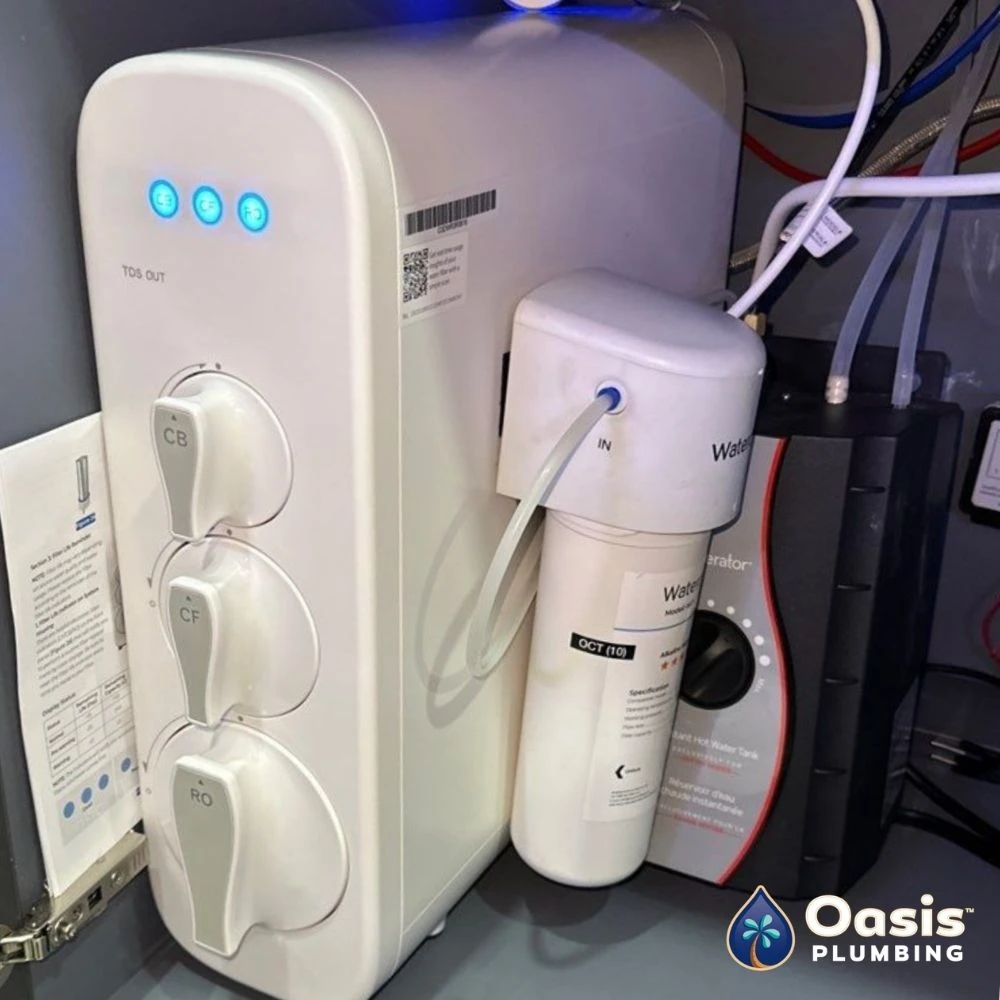
When homeowners search how reverse osmosis improves drinking water, they are usually trying to understand exactly what the system removes from their tap water.
Reverse osmosis improves drinking water by forcing water through a semi-permeable membrane that removes dissolved contaminants, minerals, and impurities.
Unlike standard water filters, reverse osmosis systems remove extremely small particles that cannot be captured by traditional filtration methods.
These systems commonly reduce:
Dissolved minerals
Chlorine and chemical taste
Heavy metals such as lead
Sediment particles
Certain contaminants and impurities
Total dissolved solids (TDS)
For many homeowners in Miami Shores Village, the first improvement they notice after installing reverse osmosis is taste. Even though municipal water is treated and safe, minerals and treatment chemicals can still affect flavor.
After reverse osmosis filtration, the water often tastes noticeably lighter and cleaner.
Many homeowners describe the difference simply: the water tastes similar to bottled water—but it comes directly from the faucet.
Cleaner Drinking Water at Your Sink
Get cleaner, better-tasting drinking water by installing a reverse osmosis system. Call Oasis Plumbing at (305) 703-8220 to schedule installation.
How the Reverse Osmosis Filtration Process Works
A reverse osmosis system improves drinking water through a multi-stage filtration process designed to remove different types of contaminants.
Each stage plays a specific role in improving water quality.
Sediment Pre-Filter
The first stage removes larger particles such as sand, rust, or debris that may be present in the water supply. This protects the rest of the filtration system from clogging or damage. In homes throughout Shorecrest, sediment filtration is especially important because small particles can sometimes enter water lines due to municipal work or older plumbing infrastructure.
Carbon Filtration
This stage performs the most important purification step. The membrane filters contaminants at a microscopic level, removing substances thousands of times smaller than what most filters capture. This stage removes:
• Dissolved solids
• Heavy metals
• Nitrates
• Certain chemical contaminants
Final Polishing Filter
The last stage provides a final level of filtration to improve taste before water reaches the faucet. At this point, the water has passed through several filtration stages and is significantly purified.
Improve Your Home’s Drinking Water Quality
A reverse osmosis system removes contaminants that affect taste and clarity. Call Oasis Plumbing at (305) 703-8220 for professional installation.
Why Homeowners in Miami Shores Village Install Reverse Osmosis Systems
Homeowners install reverse osmosis systems in Miami Shores Village for several practical reasons, and the motivation often depends on the home and the plumbing system.
In Miami Shores Village, many homes have aging plumbing infrastructure. Even when municipal water is treated properly, minerals and particles can accumulate within household pipes over time.
Installing reverse osmosis helps improve water quality right at the point where water is used for drinking and cooking.
Another common reason homeowners install these systems is to improve the taste of water used in food preparation.
Filtered water often improves the flavor of:
Coffee
Tea
Pasta
Soups
Ice cubes
For families who cook frequently, better water quality can noticeably improve food flavor.
Reverse osmosis also eliminates the need for bottled water in many households. Instead of purchasing bottled water weekly, homeowners can produce purified drinking water directly from their kitchen sink.
What Contaminants Reverse Osmosis Can Remove
A major reason homeowners research how reverse osmosis improves drinking water is concern about contaminants that may exist in small amounts in tap water.
While municipal water is treated and regulated, it can still contain trace substances that affect taste, clarity, or overall quality.
Reverse osmosis systems are capable of reducing:
Lead
Arsenic
Fluoride
Chlorine
Sodium
Nitrates
Certain pesticides
Total dissolved solids
For homeowners in Belle Meade, the most noticeable improvement often comes from reducing total dissolved solids.
High levels of dissolved solids are not always harmful, but they can make water taste heavier or slightly salty.
Reverse osmosis dramatically reduces these dissolved particles, producing water that tastes cleaner and more neutral.
Reduce Contaminants in Tap Water
Reverse osmosis filtration helps remove dissolved solids, metals, and impurities. Call Oasis Plumbing at (305) 703-8220 to install a system.
Reverse Osmosis vs Standard Drinking Water Filters
Homeowners sometimes wonder whether reverse osmosis systems are really necessary when standard drinking water filters are already available.
The main difference between reverse osmosis and standard water filters is that reverse osmosis removes dissolved solids and microscopic contaminants that most filters cannot capture.
Basic filtration systems typically remove chlorine and sediment, which improves taste and odor.
However, these filters generally cannot remove dissolved minerals or heavy metals.
Reverse osmosis systems provide a deeper level of purification because they filter water at a microscopic level.
For homeowners in Shorecrest, where improving taste and removing dissolved contaminants are common goals, reverse osmosis systems often provide significantly better results than basic filtration systems.
Upgrade Beyond Basic Water Filters
Reverse osmosis systems remove contaminants most standard filters cannot. Call Oasis Plumbing at (305) 703-8220 to upgrade your drinking water.
How Reverse Osmosis Systems Are Installed in Homes
Most residential reverse osmosis systems are installed underneath the kitchen sink.
The system connects to the cold water supply and sends purified water to a dedicated drinking water faucet.
A typical system includes:
Pre-filters
Reverse osmosis membrane
Storage tank
Dedicated drinking water faucet
Drain connection for filtered waste water
For homeowners in Belle Meade, installation usually takes only a few hours and does not require significant plumbing modifications.
If you’re curious about the installation process and professional setup, you can also read our guide on “What a Reverse Osmosis Installer Does for Your Home“ to understand how plumbers configure and install these systems correctly.
Once installed, the system continuously filters water and stores it in a small tank so purified drinking water is always available.
Routine maintenance usually involves replacing filters once or twice per year depending on usage.
Reliable Reverse Osmosis Installation
Proper reverse osmosis installation ensures consistent filtration and long-term performance. Call Oasis Plumbing at (305) 703-8220 to install your system.
Key Takeaways
Reverse osmosis systems improve drinking water by removing dissolved contaminants through advanced membrane filtration.
Multi-stage filtration removes sediment, chemicals, heavy metals, and dissolved solids.
Many homeowners notice immediate improvements in taste and clarity.
Reverse osmosis systems provide a convenient alternative to bottled water.
Professional installation ensures reliable performance and proper filtration.
Understanding how reverse osmosis improves drinking water helps homeowners make informed decisions about the quality of water they use every day.
These reverse osmosis systems remove contaminants that basic filters cannot capture, improving taste, clarity, and overall water purity. For many households, installing reverse osmosis is one of the most effective upgrades that can be made to the kitchen plumbing system.
Homeowners throughout Miami Shores Village, Shorecrest, and Belle Meade are increasingly choosing reverse osmosis systems to provide cleaner, better-tasting drinking water directly from their sinks.
If your drinking water tastes off, smells unusual, or simply doesn’t taste as clean as you would like, a reverse osmosis system may be the right solution.
Professional reverse osmosis installation ensures the system operates properly and delivers the water quality improvement homeowners expect.
Homeowners can rely on a trusted plumber in Miami Shores from Oasis Plumbing to install high-quality reverse osmosis systems for long-term filtration performance.
To schedule reverse osmosis installation or learn more about improving your home’s drinking water, call Oasis Plumbing at (305) 703-8220.
Frequently Asked Questions
What does reverse osmosis remove from drinking water?
Reverse osmosis systems remove dissolved solids, chlorine, heavy metals, nitrates, and other contaminants that standard filters cannot remove.
Does reverse osmosis improve the taste of tap water?
Yes. By removing minerals, chlorine, and dissolved contaminants, reverse osmosis systems significantly improve drinking water taste and clarity.
Is reverse osmosis water safe to drink?
Yes. Reverse osmosis filtration produces highly purified drinking water and is widely used in homes, laboratories, and food production.
How often do reverse osmosis filters need to be replaced?
Most systems require filter replacement every 6–12 months and membrane replacement every 2–3 years depending on usage.
Is reverse osmosis better than standard water filters?
Reverse osmosis provides deeper filtration because it removes dissolved contaminants that basic water filters cannot capture.
