
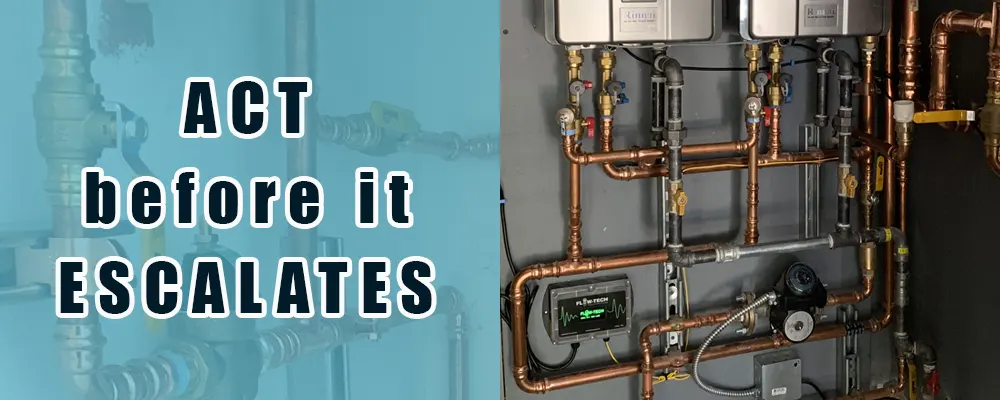
Detecting water pipe leaks early is crucial in preventing a multitude of problems, ranging from inflated water bills to severe structural damage. A leak, no matter how small, can escalate into a major crisis if not addressed promptly. The key to mitigating these risks lies in early detection and repair, ensuring the longevity of your property’s plumbing infrastructure. This guide aims to empower homeowners with the knowledge and tools necessary to identify leaks before they worsen, saving both money and time in the long run.
Table of Contents
How do I know if I have a water pipe leak?
Identifying a water pipe leak early can be challenging, but there are several tell-tale signs that homeowners can look out for. Firstly, an unexplained increase in your water bill suggests that water is being consumed without your knowledge, often a clear indicator of a leak. Listen for the sound of running water when all water-using appliances are turned off; this can sometimes lead to the source of the leak. Inspect your home for damp spots on floors, walls, or ceilings, which can indicate the presence of hidden leaks. Additionally, a noticeable drop in water pressure during usage could suggest a leak in your supply line. Conducting a meter test by turning off all water inside and outside your home, then observing the water meter for movement, can also help confirm a leak.
Suspect a Hidden Water Leak?
If you notice rising water bills, damp walls, or unexplained water sounds, call Oasis Plumbing at (305) 703-8220 for professional leak detection before the problem causes costly structural damage.
Spotting Water Pipe Leaks
Detecting underground water pipe leaks in Miami poses a unique challenge, as these leaks are hidden from view. However, several signs can indicate their presence:
Unusually soggy patches in your garden or yard, especially if there hasn't been recent rain, can suggest water is leaking underground.
Visible shifts or sinkholes in the landscaping could indicate that water from a leak is eroding soil underground, creating voids into which the surface layer collapses.
A noticeable decrease in water pressure throughout your home might mean a significant amount of water is escaping from a supply pipe before it reaches your taps.
An unexpected increase in water bills, as mentioned earlier, is a common indicator of leaks, including those underground.
The sound of running water when pipes are not in use can sometimes be heard even if the leak is below ground level.
Underground Water Leak Warning Signs
Soggy yard spots, sinkholes, or sudden drops in water pressure can indicate an underground pipe leak—contact Oasis Plumbing at (305) 703-8220 for accurate leak detection.
Common Causes of Water Pipe Leaks
Several factors contribute to water pipe leaks in Miami, with common causes including aging materials, corrosion, high water pressure, temperature fluctuations, and physical damage. Over time, pipes made from materials like copper or PVC can deteriorate or become brittle, leading to cracks and leaks. Corrosion is a significant issue for metal pipes, as it weakens the pipe from the inside out, eventually causing leaks. High water pressure can strain pipes, joints, and fixtures, while temperature changes can cause pipes to expand and contract, leading to leaks at connection points. Additionally, accidental damage during home renovations or from digging in the yard can puncture or sever water lines.
To learn more about the common causes of pipe damage, read our blog titled “Common Causes of Water Supply Pipe Damage and How to Address Them“.
Protect Your Home From Pipe Damage
Aging pipes, corrosion, and high water pressure can lead to hidden leaks—schedule a plumbing inspection with Oasis Plumbing at (305) 703-8220 to prevent expensive repairs.
Potential Structural Damage Caused by Water Pipe Leaks
Water pipe leaks in Miami can cause significant structural damage to properties if left unaddressed. Over time, leaks can undermine the foundation of buildings by washing away or softening the soil beneath. This can lead to uneven settling, which might crack walls, floors, and ceilings. In extreme cases, it can even threaten the building’s stability. Furthermore, leaks within walls can lead to mold and mildew growth, which not only damages the structure but can also pose health risks to occupants. Promptly addressing leaks is crucial to maintaining the integrity of your property and the health of its inhabitants.
DIY Methods for Detecting Water Pipe Leaks
There are several DIY methods Miami homeowners can use to detect leaks in their water supply pipes:
Visual inspection
Regularly inspect all accessible pipes for signs of moisture, corrosion, or damage.
Meter test
As previously mentioned, turning off all water in and around the home and then checking the water meter for movement can indicate a leak.
Dye test for toilets
Adding a few drops of food coloring to the toilet tank and waiting without flushing can help identify leaks. If the color appears in the bowl, there's a leak from the tank to the bowl.
Check outdoor spigots and hoses
Ensure that outdoor spigots and hose connections are not dripping. A simple rubber washer replacement can often fix leaks here.
DIY Detection Not Finding the Leak?
Hidden leaks inside walls or underground often require professional equipment, so call Oasis Plumbing at (305) 703-8220 for precise leak detection services.
Lost in Leaks: What to Do Next
If you suspect a leak but cannot locate it, consider the following steps:
Shut off all water sources and listen carefully in different areas of the house for the sound of running water. Sometimes, the quiet of the night makes detection easier.
Consult with neighbors to see if they are experiencing similar issues, especially if you live in a connected system. This can help determine if the problem is within your property or a broader issue.
Use a professional leak detection service: Professionals have specialized equipment, such as acoustic detectors and thermal imaging cameras, that can locate leaks with minimal disruption to your property.
Stop Water Damage Before It Spreads
If you suspect a hidden pipe leak but cannot locate it, contact Oasis Plumbing at (305) 703-8220 for advanced leak detection and expert repair solutions.
Preventive Measures to Avoid Water Pipe Leaks
Preventing water pipe leaks in Miami involves a combination of regular maintenance, careful observation, and immediate action upon noticing any signs of wear or damage. Here are practical steps to minimize the risk:
Regularly monitor water pressure
High water pressure can stress pipes and fittings. Install a pressure regulator if your water pressure consistently exceeds 60 psi.
Soften hard water
If you have hard water, consider installing a water softener. Minerals in hard water can accelerate corrosion in pipes. For more information, check out our Water Softener page.
Insulate pipes
Protect pipes from extreme temperature changes to prevent freezing and bursting in cold weather and expansion in hot conditions.
Space Savings
Tankless units are much smaller and can be mounted on a wall, freeing up valuable floor space in your home.
Avoid chemical drain cleaners
These can erode pipes over time. Opt for enzyme-based cleaners or mechanical methods to clear clogs.
Be cautious during landscaping or construction
Before digging, ensure you know the location of water supply lines to avoid accidental damage.
Explore our related article filled with expert insights for in-depth information on how to effectively prevent water leaks and protect your property.
Prevent Future Pipe Leaks
Routine plumbing inspections and pressure checks can help prevent pipe failures—schedule preventive maintenance with Oasis Plumbing at (305) 703-8220.
Leak Checks: How Often?
The frequency of inspections can depend on several factors, including the age of your home, the materials used in your plumbing, and environmental conditions. As a general guideline:
Annual inspections are recommended for most homes. This allows for the early detection of minor issues before they escalate.
More frequent inspections may be necessary for older homes, homes in areas prone to ground movement, or properties with a history of plumbing issues.
Inspect after extreme weather conditions such as heavy rains, floods, or freezing temperatures, as these can cause or exacerbate leaks.
A professional plumber can offer personalized advice based on your home's specific needs and risk factors.
Key Takeaways
A sudden increase in water bills often signals a hidden pipe leak.
Damp walls, ceilings, or floors can indicate water escaping from plumbing lines.
Underground leaks may appear as soggy patches, sinkholes, or reduced water pressure.
Aging pipes, corrosion, and excessive water pressure are common causes of leaks.
Early detection and professional leak inspection help prevent structural damage and costly repairs.
Water pipe leaks often begin as small, hidden problems but can quickly develop into serious issues that damage your home’s structure and increase water costs. Recognizing early warning signs—such as unusual water sounds, damp areas, or unexpected changes in water pressure—allows homeowners to take action before extensive damage occurs.
Regular inspections, proper water pressure control, and proactive maintenance can significantly reduce the likelihood of leaks forming in your plumbing system. However, hidden leaks inside walls, underground pipes, or foundation lines often require professional equipment to detect accurately.
If you suspect a water pipe leak in your home, call Oasis Plumbing at (305) 703-8220 for professional leak detection and repair. Early intervention can prevent costly structural damage and help maintain the safety and efficiency of your plumbing system.
For more information about water pipe repair solutions, visit our Water Supply Pipe Repair page to explore professional services designed to keep your home’s plumbing system reliable and leak-free.
Frequently Asked Questions
How can I tell if I have a hidden water pipe leak?
Signs of hidden water leaks include higher water bills, damp spots on walls or floors, reduced water pressure, and hearing running water when fixtures are turned off.
What causes water pipe leaks in homes?
Common causes include aging pipes, corrosion, high water pressure, temperature changes, and accidental pipe damage during construction or landscaping.
Can underground water pipe leaks be detected?
Yes. Underground leaks can often be detected through signs such as soggy soil, sinkholes, lower water pressure, or specialized leak detection equipment used by plumbers.
How serious is a small pipe leak?
Even small leaks can cause major structural damage over time by weakening foundations, promoting mold growth, and wasting large amounts of water.
Should I call a plumber for a suspected pipe leak?
Yes. Professional plumbers use advanced detection tools such as acoustic sensors and thermal imaging to locate leaks quickly and minimize property disruption.
