
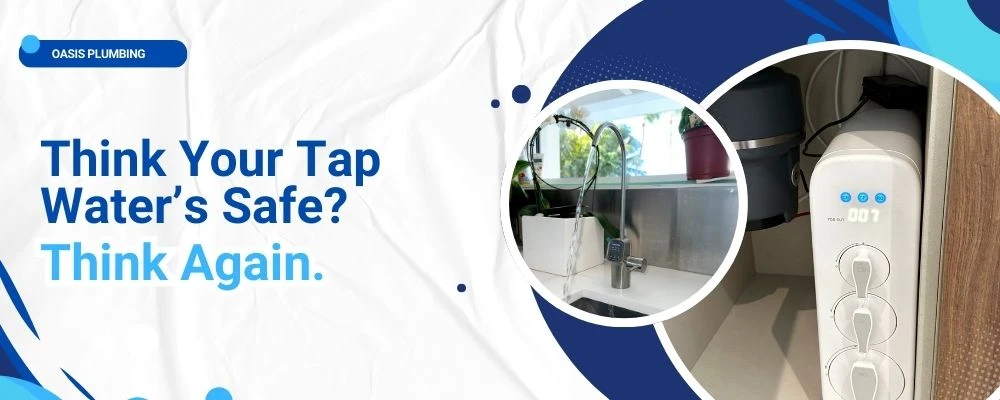
It looks clear, but is it really clean? Just because water runs clear from your faucet doesn’t mean it’s free from harmful substances. Many people assume tap water is safe because it’s treated and regulated. But in reality, it can still carry a cocktail of unwanted chemicals and microorganisms. That’s why more households are turning to a water filtration system to filter tap water and protect their families from tap water contaminants.
This guide will walk you through what could be hiding in your tap water, how it might be affecting your health, and what steps you can take to make your drinking water truly safe.
Table of Contents
What’s Hiding in Tap Water?
Chlorine and Chloramine
These disinfectants are added to public water supplies to kill bacteria. While they do reduce some germs, they often leave behind a strong chemical taste or odor. They can also dry out your skin and irritate your eyes.
Lead and Heavy Metals
Aging infrastructure, especially old lead pipes, can leach dangerous metals into the water. Corrosion in plumbing systems is a major source of lead exposure. Long-term exposure can lead to developmental problems in children, kidney damage, and high blood pressure.
Microorganisms
Even after municipal treatment, some bacteria, viruses, and parasites slip through. If your immune system is compromised, these pathogens can cause serious illness.
PFAS and “Forever Chemicals”
These man-made chemicals are found in non-stick cookware, firefighting foam, and many industrial products. They’re called “forever chemicals” because they don’t break down easily. Exposure has been linked to cancer, hormone disruption, and fertility problems.
Pesticides and Pharmaceuticals
Runoff from farms and improper disposal of medications introduce both pesticides and drug residues into local water supplies. These drinking water toxins can affect hormones, immunity, and even mental health.
If you’re wondering what’s in tap water, the answer is often more than you bargained for. Filtering your water is the best way to protect yourself from these hidden threats.
Signs Your Tap Water May Be Affecting Your Health
You might not connect your symptoms to your tap water, but it could be the culprit. Here are a few signs:
Stomach issues like nausea or diarrhea
Skin rashes or dryness after showering
Headaches or general fatigue
Water that smells like chlorine or has a metallic or musty taste
Chronic conditions like eczema or IBS getting worse
Pets or houseplants not thriving
If you’ve been asking yourself, “Is tap water making me sick?”, these are red flags to take seriously. Identifying the symptoms of bad tap water is the first step toward making a change.
Is Tap Water Safe in the U.S.? A Quick Reality Check
The U.S. Environmental Protection Agency (EPA) sets safety standards for drinking water. But those standards don’t always go far enough. Many tap water contaminants—like PFAS and pharmaceutical residues—aren’t even regulated yet.
Also, the EPA doesn’t test your tap directly. It regulates water at the treatment plant, but once it travels through aging pipes, anything can happen. Old plumbing, leaky mains, and inconsistent testing leave big gaps.
So, is tap water safe? Technically, it’s compliant. But in real life, it might still carry health risks. Relying solely on municipal treatment can be risky.
Benefits of Filtering Your Tap Water
Installing a water filtration system isn’t just about better taste. It’s about taking charge of your health and home environment. Here are the biggest benefits:
Removes toxins and bacteria that municipal treatment might miss
Improves taste and smell by eliminating chlorine and metals
Safer for babies, pets, and people with health conditions
Cuts down on plastic waste from bottled water
Saves money over time compared to constantly buying bottled water
If you want to filter tap water effectively, the right system can make a huge difference. These water filtration benefits make the investment worth it.
Choosing the Right Filtration System for Your Home
Not all filters are created equal. Depending on your needs and budget, here are the main types of water filters to consider:
Pitcher Filters
Great for small households or renters
Easy to use, no installation
Best for improving taste and reducing chlorine
Faucet-Mounted Filters
Inexpensive and simple to install
Filters water right as you use it
Good for cooking and drinking needs
Under-Sink Filters
Installed beneath your kitchen sink
Filters a larger volume of water
Ideal for serious filtering, including lead and PFAS
Whole-House Filtration Systems
Filters all water entering your home
Perfect for families, those with allergies, or old plumbing
Higher upfront cost but offers complete protection
Reverse Osmosis Systems
The best water filtration system for removing nearly all contaminants
Uses a semipermeable membrane for maximum protection
Great for areas with hard water or high contamination
Deciding between a whole house filter vs. under-sink system depends on your space, water quality, and usage.
What to Look for in a Quality Water Filter
Before you buy, make sure you check the basics:
NSF/ANSI certification
Guarantees the filter is tested for safety and performance
Filter lifespan and replacement cost
Some need monthly changes, others last 6-12 months
Contaminant removal list
Check what exactly it removes (lead, chlorine, PFAS, etc.)
Ease of installation and upkeep
Some systems require pro help; others are DIY-friendly
A good water filtration system should clearly list what it removes and how often it needs upkeep. Transparency matters.
Final Thoughts – Take Control of What You Drink
Your tap water might be legally safe, but that doesn’t mean it’s healthy. With so many possible tap water contaminants—from heavy metals to pharmaceuticals—it’s smart to take extra steps to protect yourself and your family.
Start by getting your water tested. Then, choose a filter that fits your needs. Whether it’s a simple pitcher or a full reverse osmosis system, filtering your water is a proactive step for better health.
Quick Checklist:
- Test your tap water
- Identify your main concerns (taste, metals, bacteria, etc.)
- Pick the best water filtration system for your home
- Install it and stay consistent with maintenance
Don’t wait until symptoms show up. Clean, safe water is something you can control right now. Whether you’re concerned about taste, toxins, or your health, filtering your tap water is a simple fix. If you’re considering reverse osmosis for your home, check out our guide: “How Much Does Reverse Osmosis Water Cost? What To Know“.
Contact Oasis Plumbing Miami for expert guidance and professional installation. We’ll help you find the best water filtration system for your home’s unique needs.
Call us today or visit our WaterDrop Undersink Reverse Osmosis page to get started. Your health starts with what you drink—make it count.
