

When a hurricane passes through, most homeowners focus on the roof, windows, yard, and power. But one of the most vulnerable—and often overlooked—areas is your plumbing system.
Heavy winds, flooding, pressure fluctuations, power loss, and flying debris can all cause hidden plumbing damage that isn’t obvious right away. Some issues show up days later: gurgling drains, weak water pressure, strange noises, or unexpected leaks.
This guide gives you a clear, practical post-hurricane plumbing checklist so you can assess your home safely and catch problems early—no matter where you live.
Table of Contents
Quick Answer: What Should You Check After a Hurricane?
After a hurricane, every homeowner should inspect the following:
Main water supply line
Water pressure in all fixtures
Visible leaks around the home
Water heater performance
Drains and toilets for signs of backup
Backflow preventer or PRV (if installed)
Evidence of flooding or intrusion
Outdoor plumbing fixtures
Water quality (color, odor, clarity)
If anything looks, sounds, or feels “off”, contact a licensed plumber as soon as possible.
Why Hurricanes Create Plumbing Problems
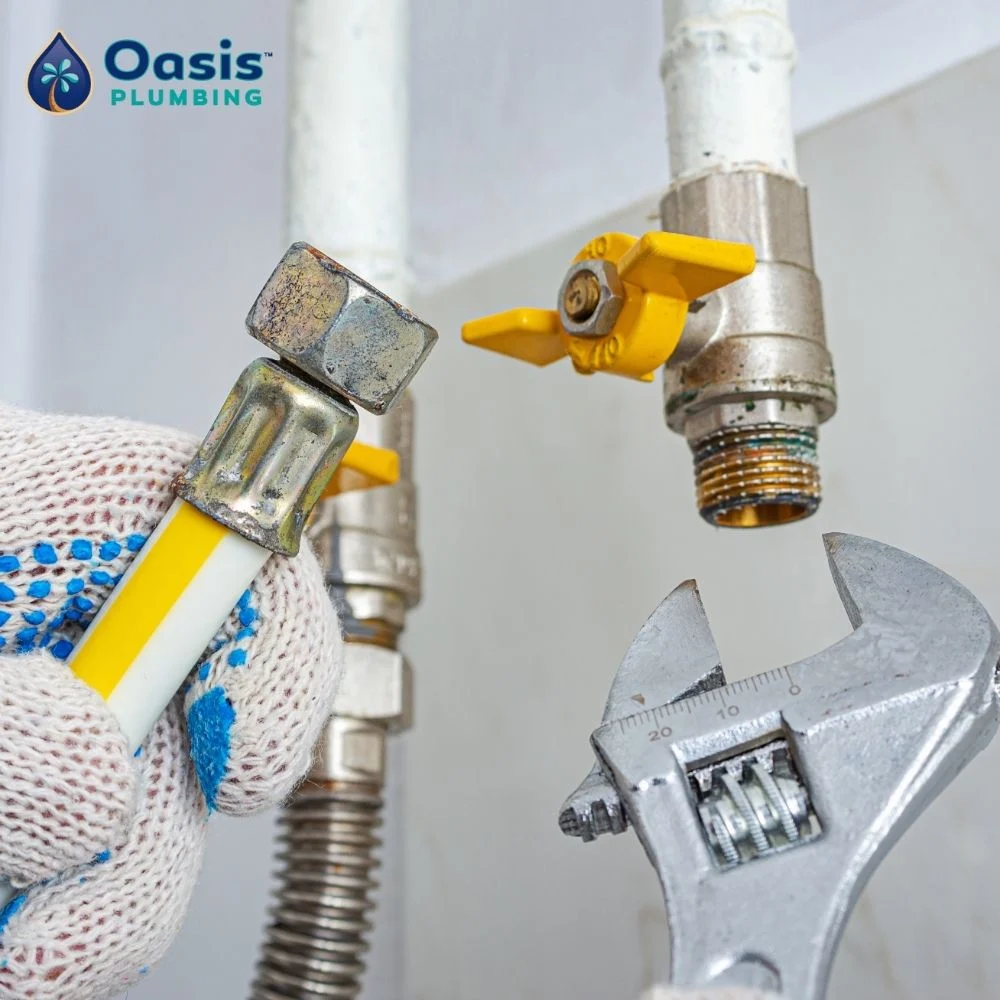
Hurricanes bring unique plumbing challenges to any coastal or storm-prone region, including:
Floodwater pushing debris or sand into pipes
Sudden pressure changes in public water systems
Downed trees shifting underground water or sewer lines
Saltwater intrusion into plumbing components
Power outages affecting water heaters and pumps
Storm surge overwhelming sewer systems
Vibrations causing small leaks or loosening connections
Even if your house looks fine, plumbing can be affected behind walls, underground, or inside fixtures.
The Ultimate Post-Hurricane Plumbing Checklist
1. Inspect the Main Water Supply Line
Walk around your property and check where your water enters the home.
Look for:
Wet soil around the pipe
Hissing or spraying sounds
Air sputtering from faucets
Rust-colored water at first use
Any of these can indicate a line crack or pressure imbalance.
2. Test Water Pressure Throughout the Home
Turn on sinks, showers, and outdoor spigots.
Watch for:
Low or inconsistent pressure
Pulsing or surging
Air pockets
Sudden pressure drops
These symptoms can mean a cracked line, underground shift, or partial blockage.
3. Check for Visible Leaks
Use a flashlight to inspect:
Behind toilets
Under sinks
Around the water heater
Baseboards and flooring
Walls where plumbing runs
After a storm, even tiny leaks can worsen quickly.
4. Test All Drains and Toilets
Hurricanes often overwhelm sewer systems.
Check for:
Slow drainage
Gurgling sounds
Bubbling in toilets
Water backing up into tubs or showers
These are early signs of sewer stress, clogs, or partial line collapse.
5. Inspect the Water Heater
Power loss, flooding, and sediment disturbance can all affect water heaters.
Check for:
Water around the base
Inconsistent hot water
No hot water at all
Clicking, popping, or sizzling noises
Discolored hot water
If anything looks risky, turn it off until inspected.
6. Look for Signs of Flood or Storm Intrusion
Even without interior flooding, outdoor flooding can damage:
Sewer lines
Main water lines
Cleanouts
Irrigation systems
Outdoor valves
Water softeners
Walk the property and look for soft spots, pooling water, or exposed pipes.
7. Test Backflow Preventers and PRVs (if applicable)
Homes with these devices should verify they are still functioning.
Storm pressure fluctuations can:
Jam a PRV
Damage a backflow valve
Create unstable water pressure
If pressure feels “wrong”, get it checked.
8. Inspect All Outdoor Plumbing Fixtures
Look at:
Hose bibs
Outdoor showers
Pool equipment
Outdoor kitchens
Sprinkler systems
Strong winds or flying debris frequently damage outdoor plumbing without you noticing.
9. Evaluate Water Quality Carefully
Turn on cold water first.
Watch for:
Brown or yellow water
Cloudy water
Metallic or sulfur smell
Grit or sand in the water
Discoloration should fade quickly. If not, the system may be contaminated or damaged.
10. Listen for Unusual Sounds
Storm-related pressure changes may cause:
Knocking or banging
Whistling
Gurgling
Random dripping noises
These often indicate air in the lines, partial clogs, or shifting pipes.
What Needs Immediate Attention?
Contact a plumber right away if you see:
Water backing up
Rapid pressure loss
Standing water around your water heater
No hot water
Persistent water discoloration
Rotten-egg smell near gas water heaters
Hissing pipes
Moisture spreading in walls or floors
Storm damage escalates quickly—faster than normal plumbing problems—because the entire system (public utilities included) is already under stress.
Why Professional Post-Hurricane Inspections Matter
A licensed plumber can perform:
Full-system pressure testing
Sewer camera inspection
Water heater evaluation
Leak detection in walls or underground
Backflow/PRV testing
Safety water leak inspection
Verification that all fixtures are safe to use
Catching a problem early can save thousands in damage, especially if your home experienced flooding, vibration, soil shift, or pressure irregularities.
Key Takeaways
Hurricanes can damage plumbing even when homes look unaffected.
Always check water pressure, drains, visible leaks, the water heater, and water quality.
Bubbling toilets or gurgling drains signal sewer issues—act fast.
Outdoor fixtures and underground pipes are at high risk after storms.
A professional inspection is the safest way to prevent hidden storm damage.
If you notice low pressure, odd noises, slow drains, discolored water, or any other changes after a storm, Oasis Plumbing is here to help.
We proudly serve the Miami area, and we understand exactly how hurricanes impact water lines, drains, sewer systems, and water heaters.
When water doesn’t move, neither does your day — so if anything feels off after the storm, call Oasis Plumbing at (305) 703-8220 right away.
Frequently Asked Questions
How soon should I check my plumbing after a hurricane?
Right away. Many plumbing issues start small—low pressure, slow drains, discoloration—and worsen quickly after a storm. You should inspect your system as soon as it’s safe to return home.
Why is my water pressure low after a hurricane?
Low pressure can be caused by:
Cracked underground pipes
Air in the lines
City supply issues
PRV or backflow valve damage
Debris entering the system
If pressure drops suddenly, call a plumber immediately.
My drains are gurgling after the storm. What does that mean?
Gurgling usually signals sewer line stress, partial blockage, or pressure imbalance in the system. Hurricanes often overwhelm sewer networks, causing these early warning signs.
Is discolored water normal after a hurricane?
A short period of discoloration is common due to sediment disturbance. But if the water stays brown, yellow, or cloudy for more than a few minutes, it could indicate contamination or pipe damage.
Should I turn off my water heater after a hurricane?
If you experience power loss, flooding, strange noises, or no hot water, turn off the heater until it can be inspected. Sediment shifts or electrical issues are common after storms.
What are the most common plumbing problems after hurricanes?
Homeowners often see:
Leaks in walls or floors
Sewer backups
Low water pressure
Water heater failures
Cracked outdoor fixtures
Discolored water
Foundation shifts affecting pipes
Do I really need a plumber if everything looks normal?
Maybe yes. Many storm-related issues are hidden—inside walls, underground, or inside your water heater. A post-hurricane inspection is the safest way to ensure your system is functioning properly.
