
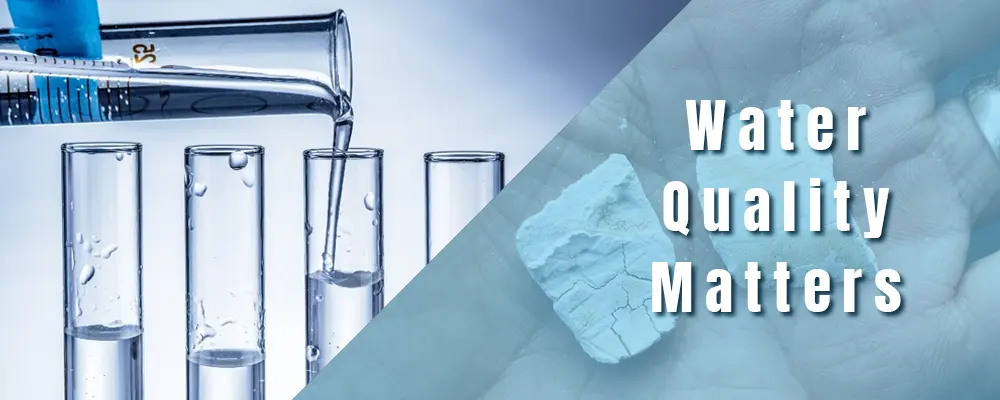
Water quality is an essential determinant in the longevity, efficiency, and safety of plumbing systems. This relationship, intricate and multifaceted, directly impacts the functionality of both residential and commercial infrastructure. The quality of water running through pipes can precipitate a series of reactions, influencing the material integrity of plumbing systems and the performance of appliances. In this comprehensive guide, we explore the nuanced interaction between water quality and plumbing. By understanding the key factors that govern this relationship, homeowners, businesses, and municipalities can take informed steps to mitigate risks, ensuring the longevity and reliability of their plumbing systems.
Table of Contents
Corrosion and Deterioration of Pipes
The integrity of plumbing systems is paramount for their efficient operation. However, several factors related to water quality can precipitate the corrosion and deterioration of pipes, leading to leaks, reduced water pressure, and, in severe cases, system failure.
pH Levels
The pH level of water, a measure of its acidity or alkalinity, plays a critical role in the corrosion of pipes. Water with a low pH (acidic) can aggressively erode the interior surfaces of pipes, leading to leaks and contamination. Conversely, highly alkaline water can induce mineral deposits on pipe walls, reducing flow rate and efficiency. The ideal pH range for potable water is typically between 6.5 and 8.5, ensuring minimal corrosion in most piping materials.
Hardness
Water hardness, determined by the concentration of calcium and magnesium ions, can significantly impact the condition of plumbing systems. Hard water leads to the accumulation of scale, a hard, crystalline substance, on the interior surfaces of pipes and fixtures. This scaling reduces the diameter of pipes, restricting water flow and increasing pressure, which can hasten the deterioration of the system. Additionally, scale buildup can be a breeding ground for bacteria, posing health risks.
Contaminants
Various contaminants, including but not limited to, chlorine, sulfates, and industrial pollutants, can accelerate pipe corrosion and degradation. Chlorine and chloramine, commonly used for water disinfection, can react with metal pipes, especially those made of copper and lead, leading to pitting and leaks. Sulfates, interacting with metal pipes, can produce hydrogen sulfide gas, contributing to corrosion and unpleasant odors. Industrial pollutants, seeping into water supplies, can introduce a range of corrosive chemicals, further compromising pipe integrity.
Water Quality Testing Matters
If you notice scale buildup, pressure issues, or pipe corrosion signs, call Oasis Plumbing at (305) 703-8220 to schedule professional water quality testing and protect your plumbing system early.
Appliance Performance and Longevity
Water quality in Miami directly influences the performance and lifespan of household appliances. The accumulation of sediments and mineral deposits can impair functionality, reduce efficiency, and necessitate premature replacements.
Water Heaters
Water heaters are particularly susceptible to the detrimental effects of poor water quality. Sediment buildup at the bottom of the tank, primarily from hard water, can insulate the heat source, reducing efficiency and causing the heater to work harder. This not only increases energy consumption but can also lead to overheating and eventual failure. Regular flushing and descaling can mitigate these issues, extending the appliance’s lifespan. For more insights, refer to our blog post titled “The Impact of Water Quality on Electric Tankless Water Heaters“.
Dishwashers
Dishwashers operating with hard water may suffer from scale buildup on internal components and reduced efficacy in cleaning. Hard water can leave deposits on dishes, glassware, and the interior of the machine, necessitating more detergent and higher temperatures to achieve the same level of cleanliness. This not only affects the appliance’s performance but also its durability, as the additional stress can lead to component failure.
Washing Machines
Similar to dishwashers, washing machines can experience decreased performance due to hard water. The minerals in hard water can react with detergent, reducing its effectiveness and leaving residue on clothing and the machine itself. Over time, this residue can clog hoses and damage the pump, leading to leaks and operational failures. Using water softeners or specialized cleaning agents can help mitigate these issues.
Protect Your Water Heater and Appliances
Poor water quality can silently damage heaters, washers, and dishwashers — call Oasis Plumbing at (305) 703-8220 to evaluate treatment solutions that extend appliance lifespan.
Health Risks and Safety Concerns
Beyond the mechanical implications, water quality has significant health and safety ramifications. Contaminants in water can pose serious health risks to individuals and communities. One common but often overlooked water quality concern is cloudy tap water. While it may seem harmless, its appearance can sometimes indicate hidden contaminants or air trapped in the water system. Understanding what causes cloudy water and whether it poses a risk is essential for ensuring water safety. Learn more in our blog: “Cloudy Tap Water? The Hidden Dangers You Need to Know!“
Bacterial Contamination
Microbial growth in plumbing systems, encouraged by stagnant water or biofilm formation, can lead to bacterial contamination, including Legionella, which causes Legionnaires’ disease. Regular system use, proper temperature settings, and periodic flushing can reduce the risk of bacterial growth.
Chemical Exposure
Common water contaminants such as pesticides, industrial chemicals, and pharmaceutical residues can have adverse effects on human health. These contaminants can enter the water supply through agricultural runoff, industrial discharge, or improper waste disposal, posing risks of chronic illness or acute poisoning.
Heavy Metal Exposure
Lead, mercury, arsenic, and other heavy metals can leach into drinking water from corroded pipes and fittings, especially in older plumbing systems. These metals can accumulate in the body over time, leading to serious health issues, including developmental disorders in children, kidney damage, and neurological problems.
Concerned About Contaminants?
If you’re unsure whether your home’s water is safe, call Oasis Plumbing at (305) 703-8220 for professional testing and clear recommendations tailored to your property.
Proactive Water Quality Improvement Strategies
Addressing water quality issues in Miami requires a multifaceted approach, encompassing regular testing, filtration, and maintenance practices.
Filtration Systems
Investing in effective filtration technologies—such as activated carbon filters, reverse osmosis systems, or ion exchange units—can significantly reduce the concentration of harmful contaminants, improving water quality and safeguarding plumbing systems. For a deeper dive into how these systems work and their impact on water quality, our blog post titled “How Water Softeners and Water Filters Work to Enhance Your Home’s Water Quality” offers valuable insights and guidance. Implementing these systems not only safeguards plumbing but also enhances water quality for drinking, cooking, and cleaning.
Regular Testing
Routine water quality testing in Miami is essential for identifying contaminants and assessing the effectiveness of filtration and treatment strategies. Homeowners should conduct tests for common pollutants, including heavy metals, bacteria, and chemical contaminants, to ensure water safety.
Plumbing Maintenance
Regular inspection and maintenance of plumbing systems in Miami can preemptively address issues contributing to poor water quality. Replacing aging pipes, fixing leaks, and installing water softeners where necessary can prevent contamination and extend the lifespan of the system.
Improve Your Home’s Water Today
Call Oasis Plumbing at (305) 703-8220 to discuss filtration, softening, or pipe protection solutions that improve water quality throughout your entire home.
Key Takeaways
Water quality directly affects pipe durability, appliance performance, and household safety.
Acidic water, hardness, and chemical contaminants can accelerate corrosion and system deterioration.
Poor water quality may increase energy usage, maintenance needs, and replacement costs for plumbing fixtures and appliances.
Contaminants such as bacteria, heavy metals, and industrial chemicals can pose serious health risks if left untreated.
Proactive strategies like water testing, filtration system installation, and routine plumbing maintenance help protect both property and occupants.
Water quality plays a crucial role in maintaining the performance, safety, and longevity of your home’s plumbing system. From accelerating pipe corrosion to reducing appliance efficiency and introducing potential health risks, untreated water issues can create both immediate inconveniences and long-term financial burdens. Understanding these impacts empowers homeowners to take proactive steps toward protecting their plumbing infrastructure and improving everyday water usage.
Investing in solutions such as professional water testing, filtration systems, and regular plumbing maintenance can significantly reduce future repair costs while improving household comfort and safety. If you’re noticing signs like scale buildup, fluctuating water pressure, appliance inefficiency, or changes in water clarity, it may be time to evaluate your home’s water quality conditions more closely.
To get expert guidance tailored to your property, call Oasis Plumbing at (305) 703-8220 or visit our Water Quality Testing page to schedule a professional consultation. Taking action today helps ensure cleaner water, longer-lasting plumbing systems, and greater peace of mind for your home.
Frequently Asked Questions
How does poor water quality damage plumbing pipes?
Poor water quality can cause corrosion, scale buildup, and material deterioration inside pipes. Over time, this reduces water pressure, increases leak risks, and may lead to premature pipe failure.
Can hard water reduce appliance lifespan?
Yes. Hard water creates mineral deposits inside appliances like water heaters, dishwashers, and washing machines. These deposits reduce efficiency and can lead to overheating, clogging, or early equipment replacement.
What health risks are linked to contaminated water?
Contaminated water may contain bacteria, heavy metals, or chemical pollutants that can cause gastrointestinal illness, neurological issues, or long-term health complications depending on exposure levels.
How often should homeowners test their water quality?
Most homeowners should test water quality at least once a year, or sooner if they notice changes in taste, pressure, clarity, or appliance performance.
What is the best way to improve water quality at home?
Installing properly sized filtration or water softening systems, replacing aging pipes, and scheduling routine plumbing inspections are effective ways to improve overall water quality.
