

If your shower takes forever to warm up or your faucets run cold before they ever get hot, you’re not alone. One of the most common plumbing complaints in Miami homes is:
“My water heater takes too long to heat!”
And it’s frustrating — especially when you’re standing there waiting for the water to warm up, watching gallons go down the drain.
The good news? Slow hot water usually has a clear cause, and in most cases, a fix that won’t disrupt your whole home.
This guide breaks down exactly why your water heater heats slowly, what you can do yourself, and when it’s time to call a professional.
Table of Contents
Why Your Water Heater Takes Too Long to Heat
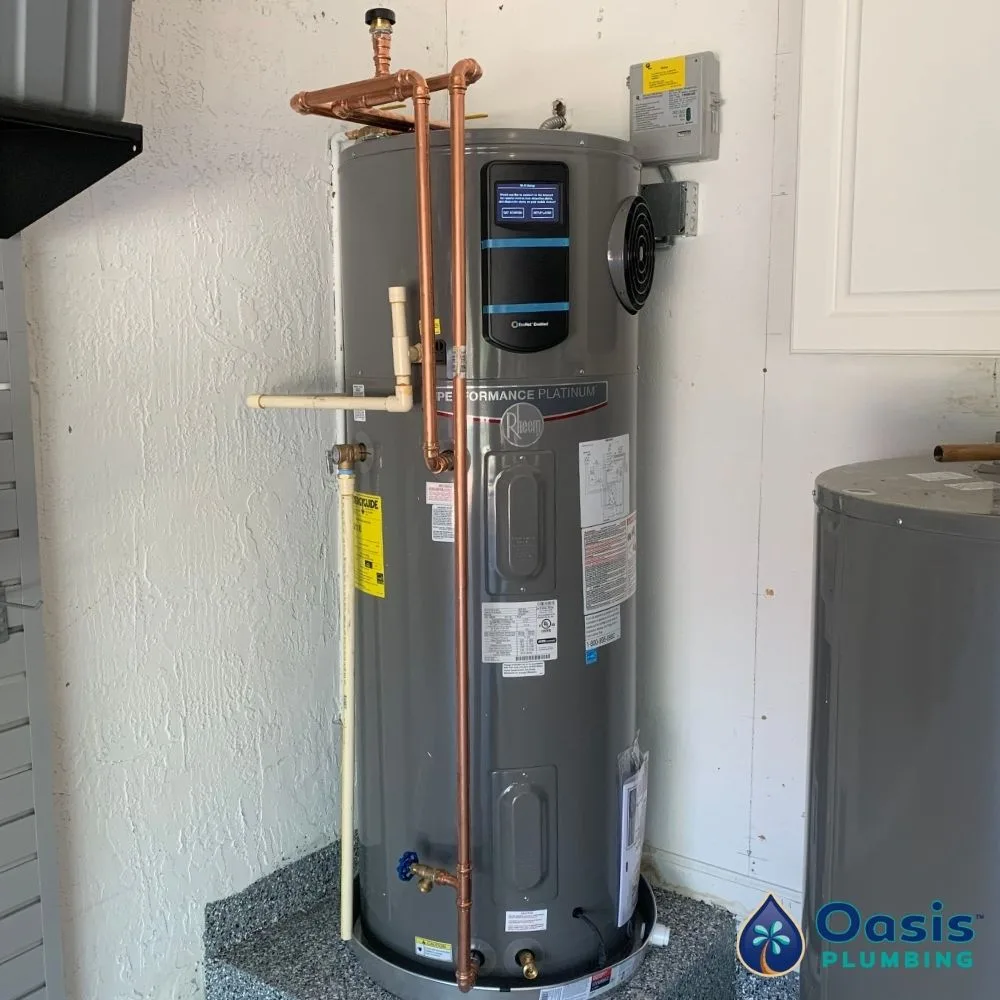
There are several reasons your water heater may be slow — and it’s not always because the heater is failing. Plumbing design, age, distance, and even Miami’s climate all play a role.
Below are the most common causes.
1. The Water Heater Is Too Far From Your Fixtures
Distance = delay.
If your water heater is located in the garage, attic, or one corner of the house, the hot water must travel a long way through the pipes before reaching your faucet.
This means:
Longer wait times
More heat loss
More water wasted
This is the #1 reason most Miami homeowners experience slow hot water.
Want a plumber to map your hot water flow?
Call (305) 703-8220 and we’ll check the distance, pipe layout, and flow path so you know exactly why your hot water is lagging.
2. Sediment Buildup in the Tank
Miami’s water is hard. Mineral-rich water leads to sediment collecting at the bottom of the tank. Over time, this:
Slows heat transfer
Reduces efficiency
Makes heating cycles much longer
Makes the water heater work harder
If your tank hasn’t been flushed in over a year, this is very likely part of the problem.
3. A Failing Heating Element or Burner
If you have an electric water heater, heating elements can burn out or weaken.
For gas heaters, burners can clog, rust, or fail to ignite properly.
You may notice:
Longer heating cycles
Not enough hot water
Water that goes warm but not fully hot
4. Broken or Stuck Dip Tube
The dip tube pushes incoming cold water to the bottom of the heater so hot water rises to the top.
When it cracks or breaks:
Cold water mixes with hot
The temperature drops
It takes much longer to reach the right heat
Dip tube failure is more common in older heaters.
5. Undersized Water Heater
Families grow. Usage increases. But the water heater stays the same size.
If your water heater is too small, you’ll notice:
Long recovery times
Running out of hot water fast
Constant “warm-not-hot” performance
Not sure if your heater is undersized?
We’ll calculate the right tank size or tankless capacity for your family — just call (305) 703-8220.
6. No Hot Water Recirculation Loop
Many newer homes in Miami include a recirculation line that keeps hot water ready in the pipes.
Homes without recirculation experience:
Longer wait times
Heat loss in long piping runs
A small pump can drastically reduce wait time.
7. Low Flow Fixtures and Faucets
Low-flow fixtures save water, but they also reduce how quickly hot water travels through the pipe, delaying warmup time.
This won’t damage the heater, but it does change the experience.
How to Fix a Water Heater That Takes Too Long to Heat
Now that you know the common causes, let’s break down your real options — from DIY checks to professional solutions.
Step 1: Check Your Water Heater’s Temperature
Your thermostat may be set too low.
A safe and effective range is 120–125°F.
If it’s set below 120°F, the heater will feel slow and weak.
We can diagnose your heater in one visit
If adjusting the temperature doesn’t fix the delay, call (305) 703-8220 and we’ll find the real cause.
Step 2: Flush the Tank (If You Have a Tank Water Heater)
Flushing removes sediment buildup, which is a major cause of slow heating.
If you’re comfortable with DIY:
Connect a hose
Drain the tank
Let it fully flush
Refill and restart
If you’ve never done this before, it’s better to let a plumber handle it — sediment can clog valves if not flushed properly.
Step 3: Test the Heating Elements or Burner
For electric heaters:
A technician can test and replace a bad element.
For gas heaters:
We clean and test the burner assembly, igniter, thermocouple, and gas valve.
This is one of the quickest repairs and often restores heat immediately.
Step 4: Inspect the Dip Tube
A plumber can check if the dip tube is:
Cracked
Missing
Disintegrating
If so, replacing it can dramatically improve water temperature and heat-up time.
Step 5: Consider a Recirculation Pump
If distance is the problem, this is often the best fix.
A recirculation pump:
Keeps hot water moving
Reduces wait time drastically
Saves water
Works automatically
There are two types:
- Dedicated return line systems (newer homes)
- Comfort systems (retrofits without extra piping)
Ask about recirculation options
Not sure which pump your home needs? Call (305) 703-8220 and we’ll walk you through the right setup.
Step 6: Upgrade to a Larger Tank or Tankless Water Heater
If your family’s hot water needs have outgrown your system, you have two upgrade paths:
Option A: Larger Tank Water Heater
Pros:
Lower cost
Simple install
Works well for large families
Cons:
More energy use
Still limited by tank size
Option B: Tankless Water Heater
Tankless gives you:
Faster delivery with recirculation
Higher efficiency
Longer lifespan
Perfect if you’ve been waiting too long for hot water or running out mid-shower.
Want a quote for a tankless upgrade?
Call (305) 703-8220 and we’ll give you options that fit your home and your budget.
When You Should Call a Plumber Immediately
A slow water heater can become a serious problem if you also notice:
Water dripping from the tank
Rust-colored water
Popping or banging noises
Gas smell
Burning smell near electric units
Water that never gets hot at all
These signs indicate a failing heater or unsafe conditions. Don’t wait — these units rarely fix themselves.
Key Takeaways
If your water heater takes too long to heat, it’s usually caused by distance, sediment buildup, failing elements, or an outdated system.
Simple fixes include adjusting the temperature or flushing the tank.
Bigger issues require diagnosing parts like dip tubes, burners, or elements.
Recirculation systems dramatically reduce hot water wait time in Miami homes.
Upgrading to a larger tank or tankless heater may be the long-term fix.
A plumber can determine the cause quickly and recommend the right solution.
Waiting forever for hot water is frustrating — and it doesn’t have to be your everyday reality. Whether the issue is long pipe runs, an aging heater, sediment buildup, or a failing component, there’s always a solution.
At Oasis Plumbing, we help Miami homeowners diagnose slow hot water problems every single week. From simple repairs to full replacements or recirculation upgrades, we make sure your home gets hot water fast, efficiently, and reliably.
No guesswork. No bandaid fixes. Just clear solutions that work.
If your water heater takes too long to heat and you’re tired of waiting, call Oasis Plumbing at (305) 703-8220. We’ll book the next available opening, diagnose the issue, and get your hot water running the way it should.
Frequently Asked Questions
Why does my hot water take so long to reach my shower?
Usually because the water heater is too far from the bathroom. Long pipe runs cause delays and heat loss.
How long should a water heater take to heat up?
Tank heaters normally recover in 20–60 minutes. Tankless heaters heat instantly, but delivery time still depends on pipe distance.
Will flushing my water heater make it heat faster?
Yes — removing sediment improves efficiency and restores faster heating.
Can recirculation pumps really fix slow hot water?
Absolutely. They’re one of the best fixes for long wait times, especially in Miami homes with distant fixtures.
How do I know if my water heater is too small for my family?
If you regularly run out of hot water or it takes a long time to reheat, you may need a larger tank or a tankless upgrade.
