
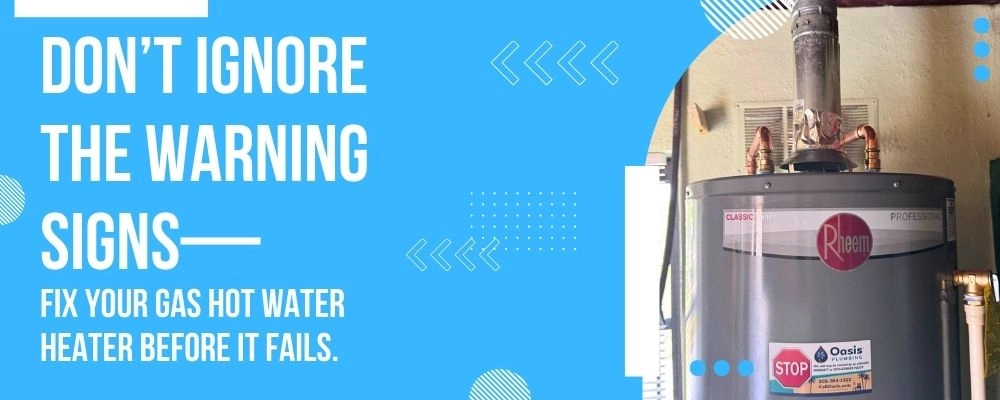
Picture this: It’s a Monday morning, you’re already late for work, and when you jump in the shower — bam — ice-cold water. Or worse, you notice a faint smell of gas around your water heater.
Most homeowners don’t think much about their gas water heater until something goes wrong. But here’s the truth: gas water heaters almost always give warning signs before they break down. The problem? Many people miss them or assume the issue will go away.
This guide is your complete breakdown of hot water heater repair for gas systems — what it means, how to spot the red flags early, and what to do next. We’ll cover warning signs, common causes, repair vs. replacement, safe DIY checks, and maintenance tips. By the end, you’ll know exactly how to keep your hot water flowing and your home safe.
Table of Contents
What Is Hot Water Heater Repair for Gas?
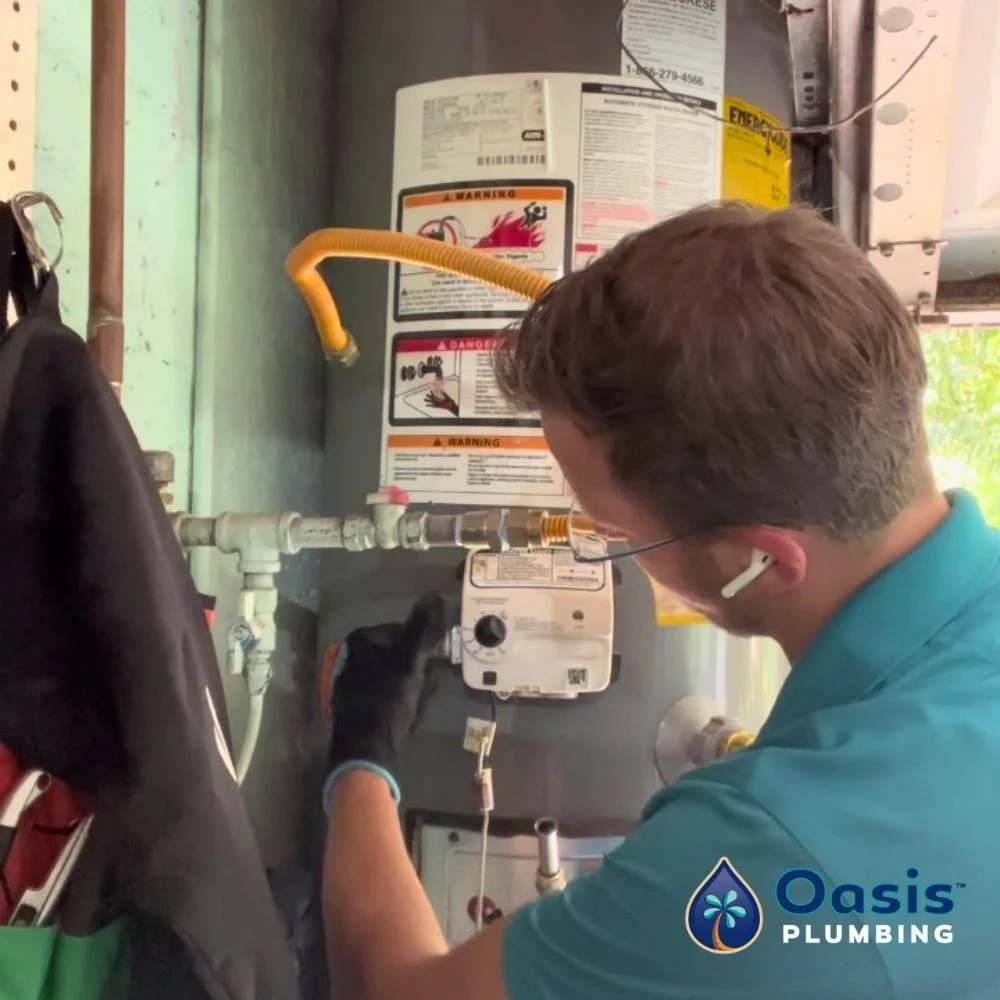
Hot water heater repair for gas means diagnosing and fixing problems in gas-powered water heaters. Common issues include:
Pilot light failures
Faulty thermocouples or gas valves
Dirty or corroded burners
Sediment buildup inside the tank
Leaks from valves or fittings
Why it matters: Gas water heaters involve combustible fuel. Left unchecked, even small problems can lead to high energy bills, cold showers, or worse — gas leaks and carbon monoxide hazards.
Key Warning Signs of Gas Water Heater Problems
Here are the 7 most common warning signs your gas water heater needs repair:
No hot water or inconsistent heating
If the water turns cold halfway through a shower or fluctuates in temperature, it usually points to a failing burner, thermostat, or gas supply issue.
Pilot light won’t stay lit
A pilot light that keeps going out often signals a worn thermocouple or faulty gas valve. Relighting may help temporarily, but repeated failures need professional repair.
Rumbling or popping noises
These noises come from sediment buildup. As water bubbles push through the hardened layer, the sound gets louder. If ignored, the tank can overheat or even crack.
Rusty or cloudy hot water
Brown or orange water is a clear warning sign of internal corrosion. Once rust starts inside the tank, replacement is often the only option.
Gas smell near the heater
This is an emergency. Leave your home, call the gas utility, and then call a plumber. Gas leaks are a fire and health hazard.
Leaks around the tank or valves
Drips from valves may be repairable, but water leaking from the tank body means corrosion. A leaking tank cannot be fixed.
Low Hot Water Pressure
Often caused by sediment or blockages in pipes. This reduces comfort and strains your plumbing system.
Common Gas Water Heater Failures: Why These Issues Happen
Behind every warning sign is a cause:
Sediment buildup → reduces efficiency, creates noise, stresses tank.
Worn thermocouple → pilot light won’t stay on, shutting down gas flow.
Faulty gas valve → cuts fuel supply, no hot water.
Dirty or corroded burner assembly → weak flame, poor heating.
Corroded anode rod → once used up, the tank itself rusts.
Leaking T&P relief valve → causes water drips and safety concerns.
Local insight: In areas with hard water (like Miami), sediment accumulates faster, so maintenance is even more critical.
Hot Water Heater Repair vs. Replace: How to Decide
Quick Rule:
Repair makes sense if: the heater is under 8 years old, tank isn’t leaking, issue is small (thermocouple, valve, burner).
Replacement is smarter if: the unit is 8–12 years old, shows rust, leaks, or breaks down repeatedly.
While replacement costs more upfront, newer gas water heaters are more efficient, saving money long-term.
DIY Fixes vs. Professional Hot Water Heater Repair for Gas Units
Safe DIY Checks
Relight the pilot light (if clear instructions are posted).
Confirm thermostat setting (avoid accidental low temp).
Drain a few gallons annually to reduce sediment buildup.
Leave to Professionals
Replacing thermocouples or gas valves
Repairing burner assemblies
Fixing tank leaks
Any work with gas lines
Safety reminder: Gas leaks and carbon monoxide aren’t worth the risk. If in doubt, call a licensed plumber.
Preventive Maintenance: Extending the Life of a Gas Water Heater
Annual flush → keeps tank clear of sediment.
Check anode rod every 2–3 years → replace if worn.
Test the T&P valve → ensures safety under pressure.
Keep area clear → don’t store items around the heater.
Professional inspection yearly → catch small problems before they grow.
Key Takeaways (Summarized Actions)
Hot water heater repair for gas systems starts with recognizing early warning signs.
DIY checks are limited to small, safe tasks—call a plumber for gas components or leaks.
Routine maintenance saves money and extends the heater’s lifespan.
Ignoring signs risks safety, higher bills, and premature replacement.
A failing gas water heater rarely breaks down overnight. It gives you warning signs—noises, leaks, rust, inconsistent temperatures—that shouldn’t be ignored. Acting early can save you from cold showers, big repair bills, or dangerous gas leaks.
If you’ve noticed any of these issues in your home, now is the time to act for a hot water heater repair for gas units. At Oasis Plumbing in Miami, we specialize in gas hot water heater repair and replacement. Our licensed, insured team will diagnose the problem, make the right fix, and back it with strong warranties so you can enjoy peace of mind.
Don’t let a small problem turn into a disaster. Call Oasis Plumbing today at (305) 703-8220 and get your gas water heater back in top shape.
Frequently Asked Questions
How long does a gas water heater last?
Most last 8–12 years with proper maintenance.
Can I relight my pilot light myself?
Curious why it keeps misbehaving? Check out our blog “Water Heater Pilot Light Keeps Going Out? How to Fix It” for the full story.
Is rusty water dangerous?
It’s usually a sign of internal corrosion. Once rust starts, replacement is often required.
What should I do if I smell gas near my heater?
Leave the home immediately, call the gas company, then contact a plumber.
