
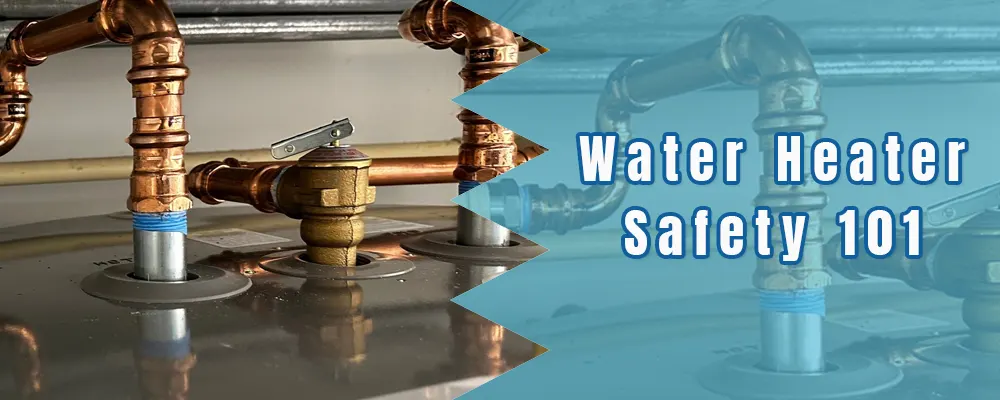
In the realm of home safety and appliance maintenance, understanding the role of essential components is crucial. One such component, the temperature and pressure relief valve (TPR valve), is integral to the safe operation of water heaters in Miami. This valve, designed to prevent the potentially hazardous buildup of pressure and temperature within the water tank, is a critical safety feature. This article delves into the mechanics, importance, and maintenance of the TPR valve, illustrating its key role in safeguarding households from the risks associated with water heating systems.
Table of Contents
Understanding the Temperature and Pressure Relief Valve on a Water Heater
The temperature and pressure relief valve, often abbreviated as TPR valve, is a crucial safety device on both tank-based and tankless water heaters. This valve is engineered to release water and lower pressure in the event that the water temperature or pressure exceeds safe limits. Typically, a TPR valve is set to activate if either the temperature surpasses 210 degrees Fahrenheit or the pressure goes above 150 psi (pounds per square inch), which are the safety thresholds for most residential water heaters.
Functionality of Temperature and Pressure Relief Valves
How They Work: Detailed Explanation
Temperature and pressure relief valves are designed to respond automatically to dangerous levels of temperature and pressure by discharging water. This process involves a spring-loaded mechanism within the valve that is sensitive to pressure and temperature. When the pressure in the tank exceeds the preset limit, the force exerted by the expanding water compresses the spring, opening the valve. Similarly, if the water temperature becomes excessively high, a separate temperature-sensing element within the valve activates, causing the valve to open. This release not only prevents the tank from bursting or the system from failing but also mitigates the risk of explosions.
Installation Locations: Overview
The placement of the temperature and pressure relief valve is typically near the top of the water heater tank but can vary depending on the design and model of the heater. This strategic location ensures that the hottest water in the tank, which naturally rises to the top, is monitored effectively. For tankless water heaters, the valve is usually part of the inlet water system and is equally crucial for preventing pressure-related issues.
Ensure Your Safety Valve Is Installed Correctly
Get your temperature and pressure relief valve checked by a professional—call Oasis Plumbing at (305) 703-8220.
Importance of Regular Maintenance of Temperature and Pressure Relief Valve
Inspection and Testing: Guidelines
Regular inspection and testing of the temperature and pressure relief valve are paramount for ensuring its effective operation. It is recommended that homeowners test the valve at least once a year by lifting the valve’s test lever. This action should allow water to flow freely from the valve, which should stop when the lever is released. If the valve does not release water or continues to drip after testing, it may be faulty or jammed, requiring professional attention.
Signs of Malfunction: Common Indicators
Common signs that a temperature and pressure relief valve may need maintenance or replacement include:
Persistent dripping or leaking from the valve, which indicates a failure to seal properly.
No water discharge during testing, suggesting a blockage or malfunction.
Rust or visible corrosion on the valve, which can impair its function.
Don’t Ignore Warning Signs from Your Water Heater
Fix leaks and temperature and pressure relief valve issues early—call Oasis Plumbing at (305) 703-8220 today.
Safety Risks and Prevention
Potential Hazards: Discussion
A malfunctioning temperature and pressure relief valve can lead to severe safety hazards, including the risk of overheating and pressure buildup that could cause the water heater tank to rupture. In extreme cases, the failure of a temperature and pressure relief valve can result in water heater explosions, leading to significant property damage and potential injury.
Preventive Measures: Steps
To mitigate these risks, homeowners should:
Ensure regular testing and maintenance of the temperature and pressure relief valve as discussed.
Clear any obstructions in the discharge pipe and area around the valve.
Consult with a professional if unusual noise or continuous leaking occurs.
Replace the valve every three to five years, even if no apparent issues are present, as a precautionary measure.
Prevent Dangerous Pressure Build-Up
Protect your home from water heater failure—call Oasis Plumbing at (305) 703-8220.
Can a Faulty Temperature and Pressure Relief Valve Increase Energy Bills?
Indeed, a faulty temperature and pressure relief valve can indirectly affect energy consumption. A leaking or dripping valve can lead to continuous water loss, which requires the heater to work harder to maintain the set temperature, thereby increasing energy use and costs.
Key Takeaways
The temperature and pressure relief valve protects your water heater from excessive pressure and temperature.
It automatically releases water when safety thresholds are exceeded.
Regular testing and inspection ensure the valve functions properly.
Signs of failure include leaking, no discharge during testing, and visible corrosion.
A faulty temperature and pressure relief valve can lead to dangerous overheating or even tank explosion.
Malfunctioning valves can also increase energy bills due to continuous water loss.
Replacing the temperature and pressure relief valve every 3–5 years helps maintain safety and efficiency.
The temperature and pressure relief valve may be a small component, but it plays a critical role in protecting your home from serious hazards. Without a properly functioning TPR valve, your water heater is at risk of dangerous pressure buildup, overheating, and potential system failure.
Routine testing, maintenance, and timely replacement are essential to ensure this safety device continues to perform as intended. Ignoring early warning signs can lead to costly repairs—or worse, significant safety risks.
If you’re unsure whether your temperature and pressure relief valve is working correctly or haven’t had it inspected recently, now is the time to take action.
Call Oasis Plumbing at (305) 703-8220 today to inspect, repair, or replace your TPR valve and keep your water heater safe and efficient.
Ensure your water heater’s safety and efficiency with regular checks and professional maintenance. Visit our Water Heater page for more information or contact us directly to schedule an inspection or service. Stay safe and proactive with your home heating solutions.
