Hard water is a common challenge faced by many homeowners and businesses, leading to a variety of problems ranging from clogged pipes to inefficient appliances. Understanding the solutions available to combat hard water issues is essential for maintaining the longevity of your plumbing system and ensuring high-quality water for daily use. Two popular methods for addressing hard water are traditional water softeners and electronic descalers. This comprehensive guide explores the key differences between these two technologies, helping you make an informed decision on the best solution for your needs. Whether you’re looking to eliminate scale buildup, improve water quality, or reduce maintenance and costs, this guide will provide valuable insights into the pros and cons of traditional water softeners versus electronic descalers.
Table of Contents
How Traditional Water Softeners Work

Ion Exchange Process
Traditional water softeners operate using an ion exchange process. This method involves swapping hard water minerals, primarily calcium and magnesium, with sodium or potassium ions. The heart of this process is a resin bed within the softener tank. As hard water flows through the tank, the resin beads attract and hold onto the calcium and magnesium ions, releasing sodium or potassium ions in their place. This exchange effectively “softens” the water.
Use of Salt or Potassium
To facilitate the ion exchange process, traditional water softeners require a steady supply of salt or potassium. These substances are stored in a separate brine tank connected to the softener. Periodically, the system undergoes a regeneration cycle, during which the resin bed is flushed with a concentrated salt or potassium solution to recharge its softening capacity.
Regeneration Cycle and Maintenance Needs
The regeneration cycle is crucial for maintaining the efficiency of a traditional water softener. During this process, the accumulated hard minerals are washed away, and the resin bed is refreshed. This cycle typically occurs every few days, depending on water usage and hardness levels. Regular maintenance, including replenishing the salt or potassium supply and occasionally cleaning the brine tank, is necessary to ensure the system functions optimally.
How Electronic Descalers Work
Electromagnetic or Radio Frequency Technology
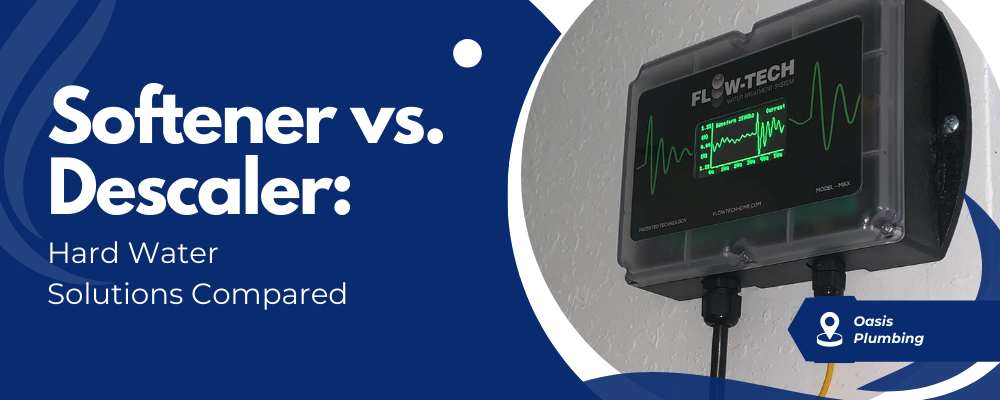
Electronic descalers utilize electromagnetic or radio frequency technology to address hard water issues. Unlike traditional water softeners, electronic descalers do not remove minerals from the water. Instead, they alter the physical properties of the minerals, preventing them from forming scale deposits on surfaces.
Impact on Mineral Crystallization
The technology behind electronic descalers involves generating a varying electromagnetic field that influences the behavior of mineral ions. This field causes the minerals to form smaller, less adhesive crystals, which remain suspended in the water rather than adhering to pipes and appliances. As a result, scale buildup is significantly reduced, although the minerals remain present in the water.

Maintenance and Installation Requirements
One of the main advantages of electronic descalers is their low maintenance requirements. Once installed, these devices typically do not require any ongoing maintenance, such as adding salt or performing regeneration cycles. Installation is also straightforward, often involving clamping the device around the main water pipe and connecting it to a power source.
Effectiveness in Scale Prevention
Comparison of How Each Method Prevents Scale Buildup
Traditional water softeners and electronic descalers prevent scale buildup in different ways. Traditional softeners remove hard minerals through ion exchange, ensuring that the water flowing through the plumbing system is free from calcium and magnesium. This method is highly effective at preventing scale buildup entirely.
In contrast, electronic descalers do not remove minerals but change their crystallization behavior. While this approach reduces scale formation, it may not eliminate it. The effectiveness of electronic descalers can vary depending on the hardness level of the water and the specific technology used.
Situations Where One Method May Be More Effective Than the Other
Traditional water softeners are typically more effective in areas with very hard water, where high mineral content can cause significant scaling issues. They are also preferred when the complete removal of hard minerals is desired, such as in applications requiring very soft water.
Electronic descalers may be more suitable in situations where reducing scale buildup is sufficient, and the presence of minerals in the water is not a significant concern. They are also advantageous in locations where installing a traditional water softener may be challenging or where maintenance simplicity is a priority.
Impact on Water Quality
Changes in Water Taste and Feel
The presence or absence of minerals in water can significantly affect its taste and feel. Water softened by traditional water softeners typically feels smoother and may taste slightly salty due to the added sodium or potassium. This change in taste and feel is often noticeable, especially in areas with extremely hard water.
Water treated by electronic descalers retains its mineral content, so the taste and feel remain largely unchanged. However, users may notice a reduction in the scaling effects on skin and hair, leading to a more pleasant bathing experience.
Health Considerations of Softened Water Versus Descaled Water
Softened water can contain higher levels of sodium, which may be a concern for individuals on low-sodium diets. In such cases, potassium-based softeners can be used as an alternative. Conversely, descaled water maintains its original mineral composition, which some people prefer for drinking and cooking due to the health benefits associated with calcium and magnesium.
For more insights into how water quality affects your plumbing systems and to further enhance your understanding, be sure to check out our related blog titled “The Impact of Water Quality on Plumbing Systems“.
Environmental Impact
Use of Chemicals and Salt in Traditional Softeners
Traditional water softeners rely on salt or potassium, both of which have environmental implications. The production and transportation of these substances contribute to carbon emissions. Additionally, the discharge of salt-laden wastewater from the regeneration process can impact local water supplies and ecosystems.
Eco-Friendliness of Electronic Descalers
Electronic descalers are generally considered more environmentally friendly. They do not require the use of chemicals or produce wastewater, making them a greener option for addressing hard water issues. The low energy consumption of electronic descalers further minimizes their environmental footprint.
Cost Considerations
Initial Investment, Operating Costs, and Maintenance Expenses
The cost of traditional water softeners and electronic descalers can vary significantly. Traditional water softeners often involve a higher initial investment due to the complexity of the system and the need for professional installation. Ongoing costs include the purchase of salt or potassium and regular maintenance.
Electronic descalers typically have a lower upfront cost and minimal ongoing expenses. Once installed, they require little to no maintenance, making them a cost-effective solution in the long run.
Long-Term Financial Benefits of Each Method
While traditional water softeners may have higher initial and operational costs, their ability to completely eliminate hard water minerals can result in significant long-term savings. Reduced scaling in pipes and appliances can lower repair and replacement costs and improve the efficiency of water-using appliances.
Electronic descalers, with their lower maintenance and operating costs, offer a more affordable solution over time. However, their effectiveness in preventing scale buildup, while significant, may not match that of traditional water softeners in all situations.
Ease of Installation and Maintenance
DIY Versus Professional Installation
The installation of traditional water softeners often requires professional expertise due to the complexity of the system and the need to connect it to the main water supply. This can add to the initial cost but ensures proper setup and functionality.
Electronic descalers are generally easier to install, often marketed as DIY-friendly devices. They typically involve attaching the unit to the main water pipe and connecting it to a power source, a process that most homeowners can handle without professional assistance.
Ongoing Maintenance Requirements for Each System
Traditional water softeners require regular maintenance, including replenishing salt or potassium, cleaning the brine tank, and performing periodic system checks. These tasks are necessary to ensure the softener operates efficiently and prolong its lifespan.
In contrast, electronic descalers require little to no maintenance once installed. Their simplicity and lack of consumables make them a convenient choice for those seeking a low-maintenance solution to hard water problems.
In summary, traditional water softeners and electronic descalers offer distinct approaches to addressing hard water issues, each with its own set of advantages and drawbacks.
Traditional water softeners are highly effective at removing hard minerals, preventing scale buildup, and improving water quality. However, they involve higher costs, require regular maintenance, and have environmental impacts due to the use of salt or potassium.
Electronic descalers offer a more eco-friendly, low-maintenance alternative by altering the behavior of mineral ions to reduce scale formation. While they may not completely eliminate scale, they are easier to install and maintain and have lower ongoing costs.
Choosing the right solution depends on specific needs and circumstances, such as the hardness level of the water, budget, maintenance preferences, and environmental considerations.
If you’re still unsure about which solution is right for you, don’t hesitate to reach out for professional guidance. At Oasis Plumbing Miami, FL, we specialize in providing personalized advice and expert installation services for electronic descalers. Our team is dedicated to helping you find the most effective and efficient solution to your hard water problems.
To learn more about traditional water softeners, visit our Water Softener page for detailed information. Additionally, explore our learning center for more insights into plumbing and water treatment solutions.
Contact us today for expert assistance and take the first step toward resolving your hard water issues with confidence. Let us help you achieve cleaner, softer water and a more efficient plumbing system.