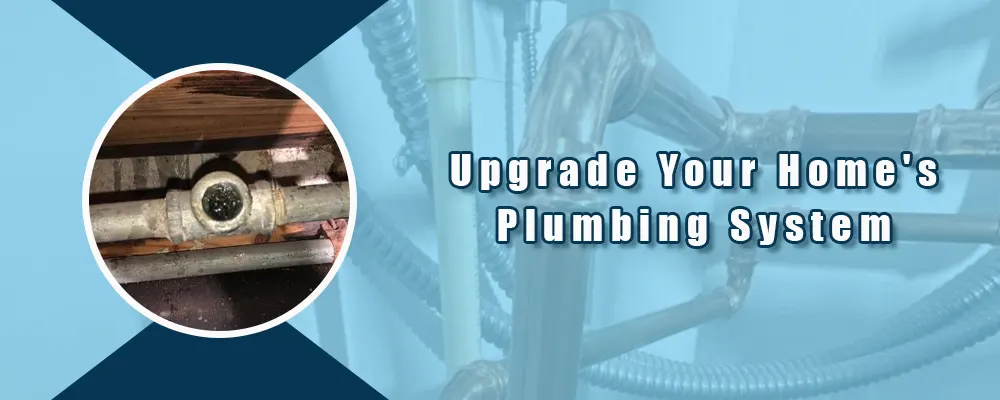
Galvanized steel pipes have been a staple in plumbing systems since the early 20th century. Initially favored for their durability and resistance to rust, these pipes became the standard for both residential and commercial buildings. The process of galvanization involves coating steel with a layer of zinc to prevent corrosion, which was a significant innovation at the time. This advancement ensured that galvanized steel pipes remained a reliable choice for decades, contributing to their widespread use.
Today, the topic of transitioning from galvanized steel pipes is more relevant than ever. As these pipes age, they begin to present numerous problems that modern homeowners and businesses can no longer afford to ignore. Common issues include corrosion, reduced water pressure, health risks due to water contamination, and high maintenance costs. These challenges prompt many to seek more reliable, efficient, and safer alternatives. Understanding the benefits of modern pipe materials is crucial for anyone considering a galvanized pipe replacement.
Transitioning from galvanized steel pipes to modern pipe materials offers numerous benefits. Modern pipes, such as PEX, copper, and CPVC, provide improved durability, enhanced safety, better water pressure, and long-term cost-effectiveness. Upgrading to these materials can significantly enhance the reliability and quality of a plumbing system.
Table of Contents
Problems with Galvanized Steel Pipes
Corrosion
Galvanized steel pipes are prone to corrosion over time. The zinc coating that protects the steel eventually wears off, exposing the metal to moisture and oxygen. This exposure leads to rust, which not only weakens the pipes but also causes blockages and leaks. Corrosion is an inevitable process that compromises the integrity of the plumbing system, making it less reliable and more prone to failures.
Water Pressure Issues
As galvanized steel pipes corrode, rust builds up inside the pipes. This buildup restricts the flow of water, leading to significantly reduced water pressure. Homeowners may notice a gradual decline in water pressure in showers, sinks, and other fixtures. This reduction not only affects daily convenience but also indicates that the pipes are deteriorating and may need replacement soon.
Health Risks
One of the most concerning issues with galvanized steel pipes is the potential for water contamination. As the pipes corrode, they can release lead and other harmful substances into the water supply. Consuming or using contaminated water poses serious health risks, including neurological and developmental issues, particularly in children. Ensuring a safe water supply is a paramount concern that underscores the need for galvanized pipe replacement.
Maintenance Costs
Maintaining galvanized steel pipes can be costly and time-consuming. Frequent repairs are often needed to address leaks, blockages, and other issues. Over time, these maintenance costs add up, making galvanized pipes an expensive option compared to modern materials that require less upkeep. Additionally, the inconvenience of dealing with frequent plumbing problems can be a significant disruption for homeowners and businesses alike.
Modern Pipe Materials
PEX (Cross-linked Polyethylene)
Flexibility and Ease of Installation
PEX pipes are known for their flexibility, which allows them to be easily maneuvered around obstacles and through walls. This flexibility reduces the need for joints and fittings, simplifying the installation process and reducing labor costs. PEX pipes can be installed quickly and with minimal disruption, making them a popular choice for both new constructions and renovations.
Resistance to Scale and Chlorine
Unlike galvanized steel pipes, PEX pipes do not corrode or develop scale build-up. They are also resistant to chlorine and other chemicals commonly found in water supplies. This resistance ensures that PEX pipes maintain their integrity and performance over time, providing a reliable plumbing solution.
Durability and Performance in Various Temperatures
PEX pipes are highly durable and can withstand a wide range of temperatures. They remain flexible even in cold conditions and can handle hot water without degrading. This versatility makes PEX suitable for various applications, from hot and cold water supply to radiant heating systems.
Copper
Longevity and Resistance to Bacterial Growth
Copper pipes have been used in plumbing for centuries due to their long lifespan and reliability. They are naturally resistant to bacterial growth, ensuring that the water supply remains clean and safe. Copper’s antimicrobial properties make it an excellent choice for maintaining water quality.
Performance in High-Heat Conditions
Copper pipes can withstand high temperatures, making them ideal for hot water supply lines. They do not warp or degrade under heat, ensuring consistent performance. This durability in high-heat conditions makes copper a preferred material for many plumbing systems.
Higher Cost and More Complex Installation Process
While copper offers many benefits, it is also more expensive than other materials. The cost of copper pipes and the complexity of their installation, which often requires soldering, can make this option less attractive for some homeowners. However, the long-term benefits and durability often justify the initial investment.
CPVC (Chlorinated Polyvinyl Chloride)
Heat Resistance and Corrosion Resistance
CPVC pipes are designed to resist high temperatures and corrosion. They can handle hot water applications without degrading and are not susceptible to the same corrosion issues that affect galvanized steel pipes. This resistance makes CPVC a reliable and long-lasting option for various plumbing needs.
Ease of Installation
CPVC pipes are relatively easy to install, similar to PEX. They can be cut and joined with simple tools and solvent cement, making the installation process straightforward and cost-effective. This ease of installation reduces labor costs and time, making CPVC an appealing choice for many projects.
Suitability for Hot and Cold Water Systems
CPVC is versatile and suitable for both hot and cold water systems. Its ability to maintain integrity under different temperature conditions ensures that it can be used throughout a plumbing system, providing consistent performance and reliability.
Advantages of Modern Pipe Materials
Improved Durability
Modern pipe materials like PEX, copper, and CPVC are significantly more durable than galvanized steel. They are less prone to corrosion and leaks, ensuring a longer lifespan for the plumbing system. This durability translates to fewer repairs and replacements over time, providing long-term peace of mind for homeowners and businesses.
Enhanced Safety
The risk of water contamination is greatly reduced with modern pipe materials. Unlike galvanized steel pipes, which can release harmful substances into the water supply, materials like PEX, copper, and CPVC ensure that the water remains clean and safe. This enhanced safety is particularly important for households with children or individuals with health concerns.
Better Water Pressure
Modern pipes have smooth interiors that prevent the buildup of rust and scale, ensuring consistent water flow and pressure. This improvement in water pressure enhances daily convenience and efficiency, making showers, sinks, and other fixtures work optimally.
Cost-effectiveness
Although the initial investment in modern pipe materials may be higher, the long-term savings on repairs and maintenance make them a cost-effective choice. Reduced maintenance needs, fewer repairs, and the extended lifespan of these materials ensure that they are a smart financial decision in the long run.
Transitioning from galvanized steel pipes to modern pipe materials offers numerous benefits. Modern materials such as PEX, copper, and CPVC provide improved durability, enhanced safety, better water pressure, and long-term cost-effectiveness. These advantages make modern pipes a superior choice for anyone looking to upgrade their plumbing system.
Upgrading from galvanized steel pipes is an important step for ensuring a reliable, efficient, and safe plumbing system. The benefits of modern pipe materials far outweigh the initial costs, providing long-term peace of mind and improved performance. For homeowners and businesses, making the switch to modern pipes is a smart investment in the future of their property.
To learn more about the impact of pipe materials on the longevity and performance of your plumbing system, we invite you to read our related blog titled “The Impact of Pipe Material on Longevity: Choosing the Right Pipes for Your Plumbing System“. This comprehensive guide provides detailed insights into selecting the best pipes for your needs.
For more information on water supply pipes and the services we offer, please visit our Water Supply Pipe Repair page. Here, you can find valuable resources and expert advice on maintaining and upgrading your plumbing system.
If you have specific questions or need personalized advice, we encourage you to contact us for a consultation. Our team of experts is ready to help you with all your plumbing needs, from galvanized pipe replacement to choosing the best modern materials for your system. Don’t hesitate to reach out and secure a safer, more reliable plumbing system today.