
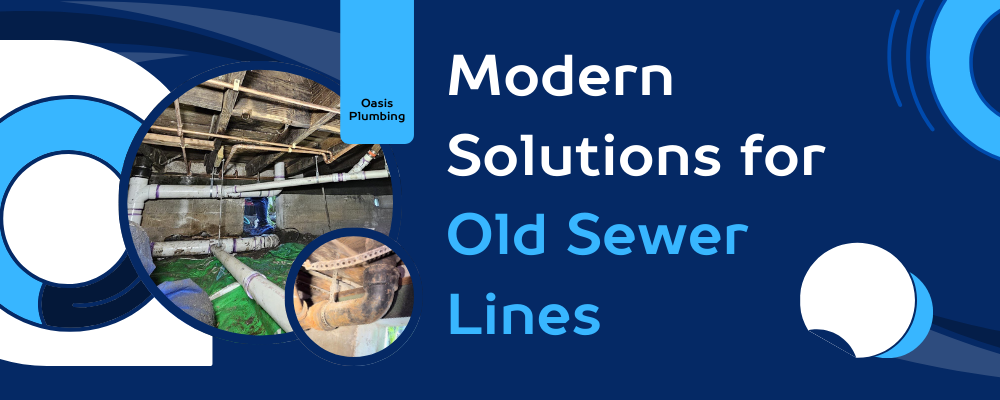
Cast iron sewer lines have been a staple in plumbing systems for many decades, especially in older homes. Known for their durability and longevity, these pipes have served many households reliably. However, like all infrastructure, they require maintenance and eventual replacement. The importance of timely maintenance and replacement cannot be overstated, as it ensures the proper functioning of your home’s plumbing system and prevents costly damage.
Table of Contents
Understanding Cast Iron Sewer Lines
History and Common Use in Older Homes
Cast iron pipes have been used in plumbing systems since the 19th century, prized for their strength and resistance to wear. These pipes were commonly installed in homes built before the 1970s. Despite newer materials becoming available, cast iron remained popular due to its robustness.
Advantages and Disadvantages of Cast Iron Sewer Lines
Cast iron pipes have several advantages, including:
Durability
They can last for several decades with proper maintenance.
Soundproofing
Cast iron pipes reduce the noise of water and waste flowing through them, making them quieter than plastic pipes.
Fire resistance
These pipes do not burn, adding an element of safety.
However, they also have disadvantages:
Corrosion
Over time, cast iron can rust and deteriorate.
Heavy
The weight of cast iron pipes makes installation and replacement more labor-intensive.
Cost
They are generally more expensive than other materials like PVC.
Signs Your Cast Iron Sewer Line May Need Replacement
Recognizing when your cast iron sewer line needs replacement is crucial. Common signs include:
Persistent clogs
Foul odors
Slow drains
Water damage or mold growth
Frequent need for repairs
Common Problems with Cast Iron Sewer Lines
Corrosion and Rust
One of the primary issues with cast iron sewer lines is corrosion. Rust forms inside the pipes, gradually eating away at the metal and leading to leaks and structural weakness.
Tree Root Intrusion
Tree roots can infiltrate cast iron pipes through small cracks or joints. Once inside, they expand and block the flow of sewage, causing backups and damage to the pipes.
Leaks and Cracks
As cast iron pipes age, they become more susceptible to cracks and leaks. These can lead to significant water damage, mold growth, and structural issues in your home.
Sewer Backups and Blockages
Blockages can occur due to debris buildup, corrosion, or tree roots. Sewer backups are not only unpleasant but also pose health risks and can cause extensive property damage.
For more detailed insights into identifying issues with your sewer line, be sure to check out our related blog titled “Detecting Telltale Signs of a Sewer Line Problem“. This informative post will help you recognize early warning signs and understand when it’s time to consider cast iron sewer line replacement, ensuring your home’s plumbing stays in top condition.
When to Replace Your Cast Iron Sewer Line
Lifespan of Cast Iron Pipes
Cast iron pipes typically have a lifespan of 50 to 100 years. However, environmental factors, maintenance, and usage can significantly impact their longevity.
Indicators It’s Time for a Replacement
Persistent plumbing issues often indicate the need for replacement. These include:
Frequent clogs
Constant blockages are a sign of deteriorating pipes.
Foul odors
Sewer smells can indicate cracks or leaks.
Water damage
Signs of moisture or mold in your home suggest leaking pipes.
Multiple repairs
If you're repeatedly calling a plumber, replacement might be more cost-effective.
Professional Assessment and Diagnosis
Hiring a professional plumber to assess your sewer line is essential. They use advanced tools like cameras to inspect the interior of the pipes and provide an accurate diagnosis and recommendation for replacement.
To gain a deeper understanding of the various aspects of sewer repair and determine when it might be necessary for your home, check out our related blog titled “Understanding Sewer Repair and When You Might Need It“. This comprehensive guide will provide valuable information on identifying sewer issues, the repair process, and how it connects to cast iron sewer line replacement, helping you make informed decisions about your plumbing needs.
The Replacement Process
Initial Inspection and Assessment
The first step in replacing a cast iron sewer line is a thorough inspection. Plumbers will use cameras to identify the extent of the damage and determine the best course of action.
Choosing the Right Materials for Replacement
Several materials are available for sewer line replacement, including:
PVC (Polyvinyl Chloride)
Lightweight, durable, and resistant to corrosion.
ABS (Acrylonitrile Butadiene Styrene)
Similar to PVC but more rigid and resistant to impact.
Timeframe and Expected Disruptions
Replacing a sewer line is a significant project that can take several days to complete. Homeowners should prepare for potential disruptions to their water service and some excavation around their property.
Cost Considerations
Factors Affecting the Cost of Replacement
Several factors influence the cost of replacing a cast iron sewer line:
Length of pipe
Longer pipes require more materials and labor.
Depth of the sewer line
Deeper lines are more challenging and costly to excavate.
Location
Urban areas may have higher labor costs.
Permits and inspections
Local regulations may require permits and inspections, adding to the cost.
Average Cost Range for Cast Iron Sewer Line Replacement
On average, replacing a cast iron sewer line can cost between $3,000 and $7,000, depending on the factors mentioned above. More extensive projects can exceed this range.
Tips for Budgeting and Financing the Replacement
Get multiple quotes
Comparing estimates from different contractors can help you get the best price.
Check for financing options
Some plumbing companies offer financing plans.
Consider insurance
Homeowner’s insurance may cover part of the cost if the damage was sudden and accidental.
For a detailed exploration of the factors influencing sewer line replacement costs and practical tips on budgeting effectively, delve into our related blog titled “Sewer Line Replacement Cost: Factors That Impact Pricing and Budgeting“. This insightful article will equip you with essential knowledge to understand the financial aspects associated with projects like cast iron sewer line replacement, ensuring you can plan and manage your plumbing investments wisely.
Benefits of Replacing Your Cast Iron Sewer Line
Improved Plumbing Efficiency and Reliability
Newer pipes reduce the risk of leaks, clogs, and backups, ensuring a more efficient and reliable plumbing system.
Prevention of Future Plumbing Issues
Replacing old, deteriorating pipes can prevent many common plumbing problems, saving you money on repairs in the long run.
Increased Property Value and Peace of Mind
A modern, well-maintained plumbing system can increase your property’s value and provide peace of mind, knowing your home is safe from water damage and sewer issues.
Choosing the Right Professional for the Job
Importance of Hiring a Licensed and Experienced Plumber
Hiring a licensed and experienced plumber ensures the job is done correctly and complies with local regulations. Professionals have the expertise to handle complex projects and unexpected issues.
Questions to Ask Potential Contractors
Are you licensed and insured?
How many cast iron sewer line replacements have you completed?
Can you provide references?
What is your estimated timeline for the project?
What is included in your quote?
Checking Reviews and Testimonials
Researching online reviews and testimonials can give you insight into a contractor’s reputation and quality of work. Look for consistent positive feedback and any red flags in customer experiences.
Maintenance Tips for Your New Sewer Line
Regular Inspections and Maintenance Practices
Regular inspections by a professional plumber can help identify and address issues before they become significant problems. Consider scheduling annual check-ups to ensure your system remains in good condition.
Preventive Measures to Avoid Future Problems
Avoid flushing non-degradable items
Only flush toilet paper and human waste to prevent blockages.
Monitor water pressure
High water pressure can strain pipes and lead to leaks.
Proper landscaping
Keep trees and large shrubs away from sewer lines to prevent root intrusion.
Importance of Professional Maintenance Services
Professional maintenance services provide thorough cleaning and inspections, ensuring your sewer line remains free of debris and in optimal condition.
Replacing a cast iron sewer line is a significant but necessary investment for maintaining the health and functionality of your home’s plumbing system. Understanding the signs of deterioration, the replacement process, and the benefits of new pipes can help you make informed decisions. Acting promptly on sewer line issues prevents more extensive damage and ensures your home remains safe and comfortable.
If you suspect your sewer line needs attention, don’t wait. Call Oasis Plumbing Miami, FL, for personalized advice and professional service for your cast iron sewer line replacement. For more information on our services, visit our Sewer Line Repair and Repipe page. Ensure your home’s plumbing system is in top shape with our expert help.
