
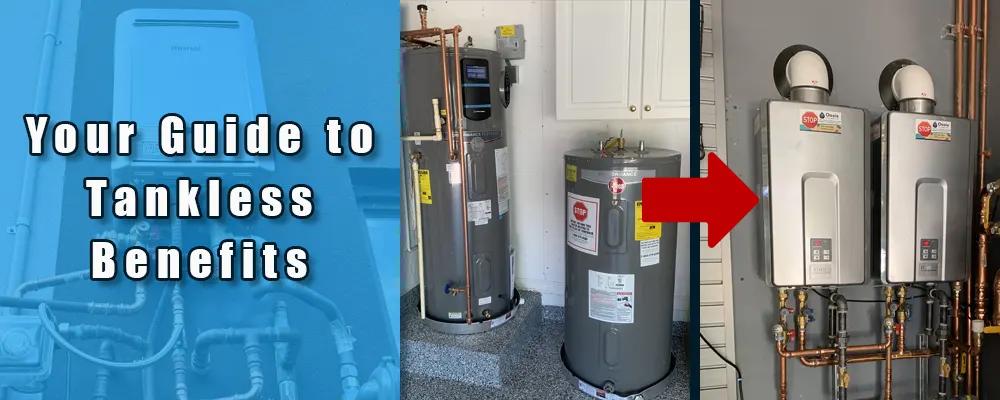
The way we heat water in our homes is evolving, driven by technological advancements and increasing awareness of energy efficiency. Traditional water heaters, with their large tanks and continuous heating cycles, are being gradually replaced by more efficient and compact tankless water heaters. This shift is significant for homeowners seeking to optimize their energy use and reduce their carbon footprint. Understanding the differences between these two systems and the benefits of switching to a tankless water heater can help homeowners make an informed decision about their home’s water heating needs.
Table of Contents
Benefits of Tankless Water Heaters
Energy Efficiency
One of the most compelling reasons for switching to a tankless water heater is its superior energy efficiency. Unlike traditional water heaters that constantly heat and reheat water to maintain a set temperature, tankless units heat water on demand. This on-demand system eliminates the standby heat loss associated with keeping a large volume of water hot, leading to significant energy savings. The U.S. Department of Energy estimates that tankless water heaters can be 24-34% more energy-efficient for homes that use 41 gallons or less of hot water daily.
Cost Savings
The energy efficiency of tankless water heaters translates into substantial cost savings over time. Although the initial investment for a tankless system is higher, the reduced energy consumption results in lower utility bills. Homeowners can expect to save around $100 or more annually on energy costs, depending on their usage patterns. Additionally, many utility companies offer rebates and incentives for installing energy-efficient appliances, further offsetting the initial expense.
Continuous Hot Water Supply
Traditional water heaters can run out of hot water during peak usage times, leading to inconvenient cold showers. In contrast, tankless water heaters provide a continuous supply of hot water, as they heat water directly as it flows through the unit. This means that multiple household activities, such as showering, running the dishwasher, and doing laundry, can occur simultaneously without depleting the hot water supply.
Space Saving
Tankless water heaters are significantly smaller and more compact than traditional units. A typical tankless water heater can be mounted on a wall, freeing up valuable floor space in utility rooms, closets, or garages. This compact design is particularly beneficial for homes with limited space, allowing homeowners to utilize their available area more efficiently.
Longevity and Durability
Tankless water heaters typically have a longer lifespan compared to traditional water heaters. While traditional units may last 10-15 years, tankless systems can often operate efficiently for 20 years or more with proper maintenance. This extended lifespan means fewer replacements and less frequent expenditure on new water heaters, adding to the long-term cost savings.
Considerations Before Making the Switch
Initial Cost
One of the primary considerations when switching to a tankless water heater is the higher upfront cost. The purchase price of a tankless unit is generally higher than that of a traditional water heater. Additionally, installation costs can be higher due to the need for specialized equipment and potential upgrades to the home’s electrical or gas systems. However, these initial costs are often offset by the long-term savings on energy bills.
Installation Complexity
Installing a tankless water heater can be more complex than installing a traditional unit. Depending on the existing infrastructure, homeowners may need to upgrade their electrical system or modify gas lines to accommodate the new heater. This complexity can add to the installation time and cost. It is essential to hire a qualified professional to ensure the installation is done correctly and safely.
Maintenance Requirements
While tankless water heaters are durable, they do require regular maintenance to operate at peak efficiency. This maintenance includes descaling the unit to prevent mineral buildup and checking for any issues with the heating elements. Regular maintenance can extend the lifespan of the heater and ensure it continues to provide efficient and reliable hot water.
Water Usage Patterns
Before switching to a tankless water heater, it is important to consider the household’s hot water usage patterns. While tankless units provide continuous hot water, they have a maximum flow rate. Homes with high simultaneous hot water demand may require multiple units or a more powerful model to meet their needs. Assessing the household’s hot water requirements can help determine the appropriate size and number of tankless heaters needed.
Comparing Traditional and Tankless Water Heaters
Heating Mechanism
Traditional water heaters use a storage tank to keep a large volume of water heated at all times. This system uses energy continuously to maintain the water temperature. In contrast, tankless water heaters use heating elements or burners to heat water directly as it flows through the unit, providing hot water only when needed. This difference in heating mechanism is a key factor in the energy efficiency and performance of tankless systems.
Energy Consumption
The continuous heating cycle of traditional water heaters leads to higher energy consumption compared to tankless systems. By heating water on demand, tankless water heaters eliminate standby heat loss and reduce overall energy use. According to the U.S. Department of Energy, tankless water heaters can be up to 34% more energy-efficient for households with low hot water usage and 8-14% more efficient for those with higher usage.
Space Requirements
Traditional water heaters with large storage tanks require significant floor space for installation. These units are typically installed in basements, utility rooms, or garages. In contrast, tankless water heaters are compact and can be mounted on walls, freeing up floor space and allowing for more flexible installation locations. This space-saving feature is particularly advantageous for homes with limited space.
Water Usage Patterns
Before switching to a tankless water heater, it is important to consider the household’s hot water usage patterns. While tankless units provide continuous hot water, they have a maximum flow rate. Homes with high simultaneous hot water demand may require multiple units or a more powerful model to meet their needs. Assessing the household’s hot water requirements can help determine the appropriate size and number of tankless heaters needed.
Environmental Impact
Switching to a tankless water heater has several environmental benefits. The increased energy efficiency of tankless units reduces the overall energy consumption of a household, leading to lower greenhouse gas emissions. By using less energy, homeowners can decrease their carbon footprint and contribute to environmental conservation. Additionally, the longer lifespan of tankless water heaters means fewer units are discarded over time, reducing waste and the environmental impact associated with manufacturing and disposing of water heaters.
The decision to switch from a traditional water heater to a tankless system involves weighing the benefits against the considerations. Tankless water heaters offer significant advantages in terms of energy efficiency, cost savings, continuous hot water supply, space saving, and durability. However, homeowners must also consider the higher initial cost, installation complexity, maintenance requirements, and their household’s hot water usage patterns.
Making an informed decision requires evaluating specific needs and consulting with a professional to assess the feasibility of the switch. By carefully considering these factors, homeowners can determine whether switching to a tankless water heater is the right choice for their home.
Ready to make the switch to a more efficient water heating solution? Dive deeper into the topic with our related blog post, “Electric vs. Gas Tankless Water Heaters: Which is Better for Your Home?“. For comprehensive information and expert guidance, visit our Water Heater and Tankless Water Heater pages.
Share this article with friends and family who might be considering upgrading their water heating system, and help them discover the benefits of tankless water heaters. If you have any questions or need personalized advice, don’t hesitate to reach out to our team of professionals. Your journey to energy efficiency and endless hot water starts here!
