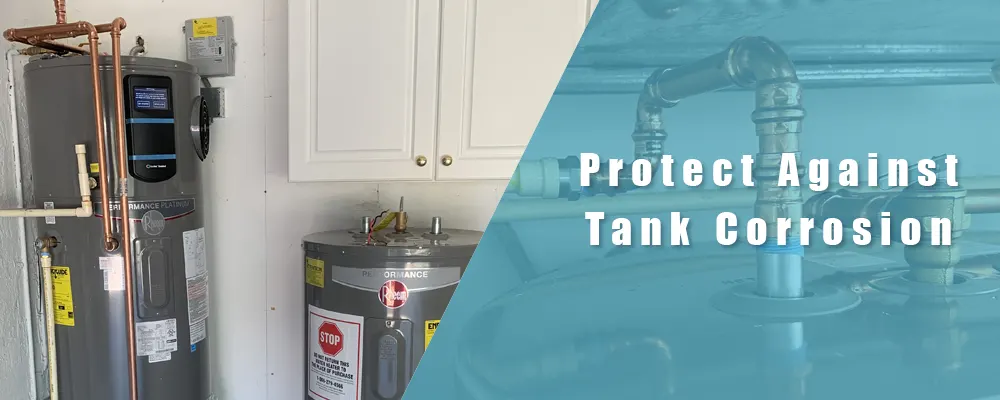
Water heaters are an essential home appliance in Miami that provide comfort and convenience in daily living. However, maintaining a water heater’s efficiency and extending its lifespan requires understanding its components and their functions. Among these components, the anode rod plays a critical role. This article explores the importance of anode rods, how they work, signs of deterioration, replacement procedures, and the consequences of neglecting this crucial component. By emphasizing regular maintenance and timely replacement of the rods, homeowners can ensure their water heaters operate effectively for years.
Table of Contents
Understanding Anode Rods: Importance for Water Heaters
An anode rod, often referred to simply as a ‘sacrificial rod’, is a steel core wire surrounded by one of three different metals: magnesium, aluminum, or zinc. The primary function of this rod is to prevent rusting inside the water heater tank. It does this through a process known as electrolysis, where the rod attracts corrosive elements in the water, which are then sacrificed in place of the tank itself.
The Science Behind Protection
The anode rod is crucial because it deals with the corrosive action that water can have on metal. Water heaters are typically made from steel, which is durable but vulnerable to rust when exposed to water for prolonged periods. By installing an the rod, the integrity of the tank is maintained, thus preventing leaks and premature tank failure.
How Anode Rods Work
Anode rods protect water heaters through a fascinating electrochemical process known as electrolysis. Here’s how they preserve your water heater:
Electrolysis: The Protective Process
Electrolysis involves the anode rod corroding (or sacrificing itself) to protect the steel of the water heater tank. The rod attracts the ions that cause corrosion, which corrode the rod and spare the tank.
Types of Anode Rods and Their Uses
Electrolysis involves the anode rod corroding (or sacrificing itself) to protect the steel of the water heater tank. The rod attracts the ions that cause corrosion, which corrode the rod and spare the tank.
Magnesium Anode Rods
Best for homes with soft water. They are more active than aluminum and provide better protection but have a shorter lifespan.
Aluminum Anode Rods
Ideal for homes with hard water or water that is high in sulfate. They last longer but may not provide as much protection as magnesium rods.
Zinc-Alloy Rods
These are primarily aluminum rods with a small portion of zinc. Zinc is added to combat the occurrence of sulfur odors in the water.
Signs of Anode Rod Deterioration
Recognizing when an anode rod needs replacing is key to maintaining your water heater’s health. Here are a few signs:
Rapid Corrosion of the Tank
If you notice rust or corrosion on your water heater tank, it’s a sign that the anode rod is likely fully deteriorated.
Foul Odors
A rotten egg odor from your hot water is a common sign that the anode rod needs to be replaced.
Replacement Process
Replacing an anode rod is a straightforward but essential maintenance task:
Cost of Replacement
The cost can vary depending on the type of rod and the service fees, but typically, it ranges from $20 to $50 for the rod itself.
Step-by-Step Replacement Guide
Electrolysis involves the anode rod corroding (or sacrificing itself) to protect the steel of the water heater tank. The anode rod attracts the ions that cause corrosion, which corrode the rod and spare the tank.
Tools Required
You will need a socket wrench, Teflon tape, and a replacement anode rod.
Safety Precautions
Ensure the power to the water heater is turned off and the water is cool.
Removal and Installation
Drain the tank slightly, unscrew the old rod, apply Teflon tape to the new rod's threads, and screw it in place. For a visual guide on how to replace the anode rod more effectively, watch our detailed YouTube video tutorial.
Product Comparison
When choosing an anode rod, consider both longevity and cost-effectiveness:
Magnesium rods are typically more expensive but offer better protection for softer water.
Aluminum rods are less expensive and better suited for harder water conditions.
Consequences of Not Replacing Anode Rods in Water Heaters
Failure to replace a deteriorated anode rod can lead to severe tank damage, resulting in costly repairs or full replacement of the water heater. There are also other aspects to consider for maintaining the health of your water heater; you can check out our blog to learn more about your water heater’s heating elements.
Impact of Water Quality on Anode Rod Lifespan
The quality of your water greatly affects the lifespan of your anode rod. Harder water or water with high mineral content can accelerate the deterioration of the rod. To understand more about how water quality can impact your entire plumbing system, check out our related article titled “The Impact of Water Quality on Plumbing Systems“. This article provides in-depth insights into the relationship between water conditions and plumbing maintenance.
Anode rods are a key component in maintaining the health of your water heater. Regular checks and timely replacement of these rods can greatly extend the life of your water heater, ensuring it runs efficiently for years. Don’t overlook this small but crucial part of water heater maintenance.
For more information on maintaining your water heater and to ensure your anode rod is in good condition, visit our Water Heater page. Don’t hesitate to contact us for any assistance or to schedule a maintenance check-up. Ensure your water heater runs efficiently for years to come.