
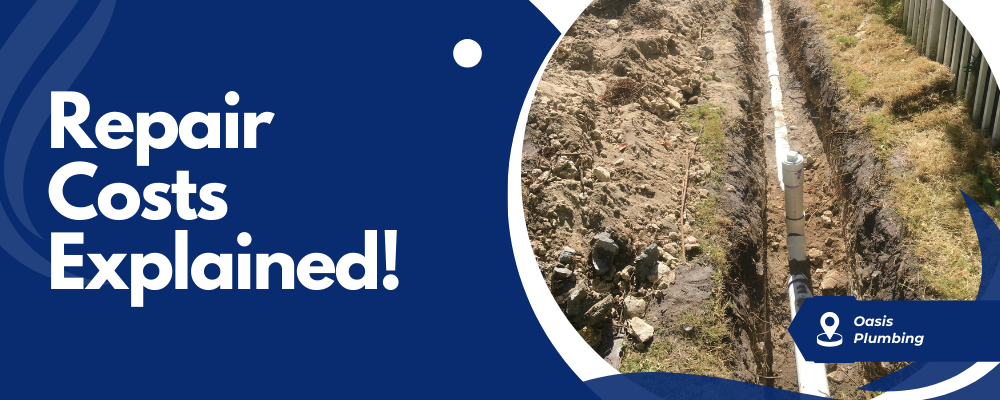
Understanding sewer line repair costs is crucial for homeowners, as these expenses can significantly impact your budget and the functionality of your home’s plumbing system. Sewer lines are an integral part of any property, carrying waste away from the home to municipal systems or septic tanks. When these lines are damaged, it can lead to severe consequences such as sewage backups, foul odors, and even property damage.
Common reasons for sewer line repairs include tree root intrusion, pipe corrosion, blockages, and shifting soil. These issues not only disrupt your daily life but can also be costly to fix. Estimating sewer line repair costs can be challenging because various factors, such as the extent of damage, the type of material used, and local regulations, can all influence the final price. This article will explore these factors in detail, providing you with a comprehensive understanding of what to expect when faced with sewer line repairs.
Table of Contents
Common Causes of Sewer Line Damage
Sewer lines are prone to several types of damage, which can lead to the need for repairs. Understanding the common causes of sewer line damage can help homeowners take preventative measures and address issues promptly.
Tree Root Intrusion
Tree roots are one of the most common causes of sewer line damage. As trees grow, their roots naturally seek out water sources, and sewer lines often provide a consistent supply of moisture. Roots can invade small cracks or joints in the pipes, eventually causing blockages or even breaking the sewer line. This type of damage is particularly problematic because it often goes unnoticed until significant issues arise.
Pipe Corrosion
The lifespan of sewer pipes varies depending on the material used. Older homes may have pipes made of materials such as cast iron or clay, which are susceptible to corrosion over time. As these materials corrode, they weaken and become prone to cracking and breaking. Pipe corrosion is a gradual process, but once it starts, it can quickly lead to the need for extensive repairs.
Blockages and Clogs
Blockages and clogs occur when debris such as grease, hair, or foreign objects accumulate in the sewer line. Over time, this buildup can create significant blockages that restrict the flow of wastewater. If left untreated, blockages can cause pressure to build up within the pipes, leading to cracks or breaks. Regular maintenance can help prevent blockages from becoming a severe issue.
Shifting Soil and Ground Movement
Natural ground movements, such as soil settling or seismic activity, can exert pressure on sewer lines. This shifting can cause pipes to bend, crack, or even collapse. Areas with heavy rainfall or unstable soil are particularly vulnerable to this type of damage. Homeowners in these regions should be especially vigilant about monitoring their sewer lines for signs of stress.
Factors Influencing Sewer Line Repair Costs
Several factors contribute to the overall cost of sewer line repairs. Understanding these factors can help you better anticipate the expenses involved and plan accordingly.
Extent of Damage
The extent of the damage is one of the most significant factors affecting sewer line repair costs. Minor repairs, such as fixing small cracks or clearing blockages, typically cost less than major repairs or full replacements. In some cases, a simple repair may only involve replacing a small section of the pipe, while more severe damage might require the entire sewer line to be replaced. The greater the damage, the higher the cost.
Type of Sewer Line Material
The material used in your sewer line can also influence repair costs. Common materials include PVC, cast iron, and clay. PVC is the most affordable and durable option, often resulting in lower repair costs. Cast iron and clay, while more traditional, are prone to corrosion and breakage, leading to higher repair expenses. The cost of materials varies, and if a replacement is necessary, this will also impact the overall cost.
Location of the Sewer Line
The location of your sewer line can significantly affect repair costs. If the sewer line is located deep underground or in a hard-to-reach area, the cost of labor and equipment will be higher. Urban areas may also have more complicated sewer systems, requiring more extensive work to access and repair the line. Additionally, if the sewer line is located beneath landscaping, driveways, or other structures, these may need to be removed and replaced, further increasing costs.
Labor and Equipment
The labor involved in sewer line repairs can be quite intensive, depending on the complexity of the job. Specialized equipment, such as cameras for inspecting the sewer line or machinery for excavation, can add to the overall cost. Labor costs can also vary based on location, with urban areas generally having higher rates than rural areas. The need for skilled technicians to operate specialized equipment and perform intricate repairs also contributes to the cost.
Method of Repair
The method used to repair the sewer line can greatly influence the cost. Traditional excavation, where a trench is dug to access the damaged pipe, is often more expensive due to the extensive labor and potential disruption to your property. Trenchless repair methods, such as pipe relining or pipe bursting, are less invasive and can be more cost-effective. However, trenchless methods may not be suitable for all types of damage, so it’s essential to consult with a professional to determine the best approach.
Local Regulations and Permits
Local regulations and the need for permits can also add to sewer line repair costs. Depending on where you live, you may need to obtain permits for excavation or repairs, which can involve fees and additional inspections. Compliance with local codes and regulations may also require specific methods or materials, further influencing the cost. It’s essential to factor in these potential expenses when estimating the total cost of repairs.
Cost Estimates for Common Sewer Line Repairs
Understanding the typical costs associated with common sewer line repairs can help you prepare for potential expenses. Here are some general estimates:
Minor Repairs
For small-scale repairs, such as clearing a blockage or repairing a small crack, costs typically range from $300 to $1,000. These repairs are usually straightforward and can often be completed quickly, minimizing labor costs.
Pipe Relining
Pipe relining is a trenchless repair method that involves inserting a new lining into the existing pipe. This process can extend the life of your sewer line without the need for extensive excavation. The average cost for pipe relining ranges from $2,500 to $5,000, depending on the length of the pipe and the complexity of the job.
Full Pipe Replacement
In cases where the sewer line is severely damaged or beyond repair, a full replacement may be necessary. This is the most expensive option, with costs ranging from $3,000 to $25,000 or more. The final price will depend on factors such as the length of the sewer line, the material used, and the method of replacement.
Emergency Repairs
Emergency repairs often come with additional costs due to the urgent nature of the work. These repairs may require after-hours labor, expedited permits, or additional resources, all of which can drive up the price. Emergency repairs can range from $500 to $10,000 or more, depending on the severity of the issue and the time required to address it.
Ways to Save on Sewer Line Repairs
While sewer line repairs can be costly, there are several strategies you can use to minimize expenses.
Regular Maintenance and Inspections
Routine maintenance and inspections are key to preventing major sewer line issues. Regularly checking for signs of damage and addressing minor problems early can save you from costly repairs down the road. Consider scheduling annual inspections with a professional to ensure your sewer line remains in good condition.
Early Detection
Catching issues early is crucial to keeping repair costs low. Be on the lookout for warning signs such as slow drains, foul odors, or unusual sounds coming from your plumbing. Addressing these issues promptly can prevent more severe damage and reduce the need for expensive repairs.
Get Multiple Estimates
When faced with sewer line repairs, it’s always a good idea to obtain multiple estimates from different contractors. This allows you to compare prices and services, ensuring you get the best value for your money. Be sure to ask about the methods and materials they plan to use, as these can impact the overall cost.
Check Insurance Coverage
Review your homeowner’s insurance policy to determine if sewer line repairs are covered. Some policies may include coverage for certain types of damage, such as those caused by tree roots or shifting soil. If your policy does not cover sewer line repairs, you may want to consider adding an endorsement for additional protection.
Sewer line repair costs can vary widely depending on several factors, including the extent of the damage, the materials used, and the method of repair. By understanding these factors, homeowners can better prepare for potential expenses and make informed decisions about their sewer line maintenance and repairs. Regular inspections, early detection, and obtaining multiple estimates are all effective ways to keep costs manageable.
If you’re facing sewer line issues, don’t hesitate to contact Oasis Plumbing Miami for a detailed estimate or consultation. Our experienced team can help you understand your options and provide cost-effective solutions tailored to your needs. For more information on sewer lines and repairs, visit our Sewer Line Repair and Repipe page. Additionally, be sure to check out our related blog titled Detecting Telltale Signs of a Sewer Line Problem to stay informed and proactive about your home’s plumbing system.
