
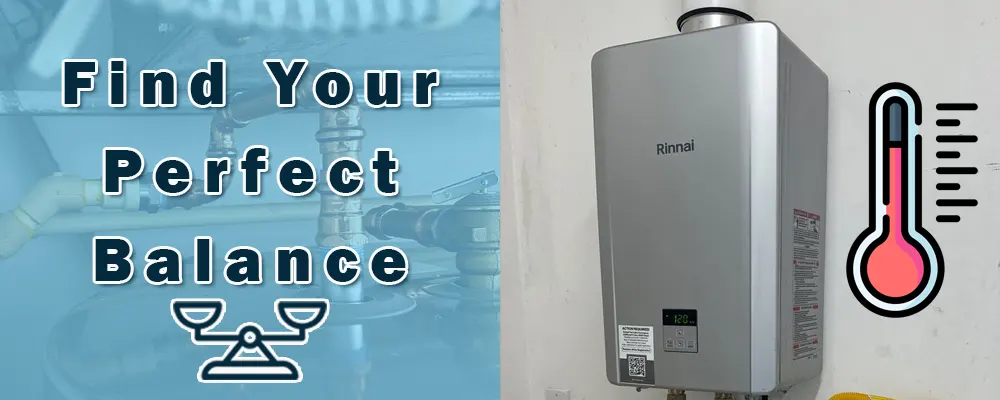
When it comes to setting the temperature of your home’s water heater, finding the right balance between comfort and energy efficiency can be a challenging task. This guide delves into the various aspects of managing water heater temperature settings to ensure that you get the most out of your appliance without unnecessarily high energy bills. It covers everything from the factors to consider in finding the optimal setting, to specific recommendations for different types of water heaters, ensuring your settings promote energy conservation while maintaining your comfort.
Table of Contents
Factors to Consider for Determining Optimal Water Heater Temperature Setting
Determining the ideal water heater temperature setting involves considering multiple factors that impact both your household’s comfort and the unit’s energy efficiency:
Household Needs
The temperature needs of your household are paramount. Families with elderly individuals or young children might require higher temperatures to prevent hypothermia.
Health and Safety
To minimize the risk of bacterial growth, such as Legionella, water heaters should be set to at least 120°F. However, setting it too high can increase the risk of scalding.
Dishwasher Requirements
Some older dishwasher models require higher water temperatures for optimal performance.
Energy Savings
Lower temperature settings generally result in lower energy usage, as less fuel is required to maintain the temperature.
Climate
In colder climates, higher settings might be necessary to compensate for colder incoming water temperatures.
Understanding these factors will help you make an informed decision about your water heater’s settings, balancing your specific needs with energy efficiency.
Set Your Water Heater the Right Way
Call Oasis Plumbing at (305) 703-8220 to have a professional check and adjust your water heater temperature safely.
Impact of Adjusting Water Heater Temperature on Energy Bills
Adjusting your water heater temperature can have a direct impact on your energy bills. Lowering the temperature setting from 140°F to 120°F can reduce water heating costs by up to 10%. This reduction is significant, considering that water heating can account for about 18% of a home’s energy use. Furthermore, for every 10 degrees you lower the temperature, you can expect to save about 3-5% on your water heating costs. Understanding how these adjustments affect your bills can guide you in making cost-effective and environmentally friendly choices.
Lower Bills Start With Smart Settings
Speak with an Oasis Plumbing expert at (305) 703-8220 to optimize your water heater for better efficiency and savings.
Consequences of Setting Water Heater Temperature Too High or Too Low
Setting the temperature too high or too low can have several unintended consequences:
Too High
High settings (above 130°F) increase the risk of scalding injuries and can significantly raise energy consumption and costs. Additionally, it can lead to quicker mineral buildup in the tank and plumbing systems, reducing the efficiency and lifespan of your water heater. For more insights on how water quality affects plumbing systems, check out our blog titled "The Impact of Water Quality on Plumbing Systems".
Too Low
On the other hand, settings below 120°F increase the risk of bacterial growth in the water tank, particularly Legionella, which can cause Legionnaires' disease.
Balancing these risks is crucial for maintaining both safety and efficiency in your home.
Avoid Costly Water Heater Problems
Schedule a professional inspection today by calling Oasis Plumbing at (305) 703-8220 before temperature issues lead to damage.
Recommended Temperature Range for Balancing Comfort and Energy Efficiency
The recommended temperature setting for most households aiming to balance comfort with energy efficiency is between 120°F and 130°F. This range provides sufficient heat for most domestic needs while minimizing the risk of scalding and bacterial growth. It also aligns with energy-saving goals by reducing the cost of heating water compared to higher settings.
Temperature Recommendations for Gas vs. Electric Water Heaters
The type of water heater you have can influence the optimal temperature setting:
Gas Water Heaters
These typically recover more quickly than electric models and might be set slightly lower as they can heat water faster back to the desired temperature.
Electric Water Heaters
Due to their slower recovery rate, maintaining a slightly higher temperature might be beneficial to ensure a consistent supply of hot water.
Each type has its specific considerations that can help you tailor your settings to the unique characteristics of the unit.
Get Reliable Hot Water Performance
Contact Oasis Plumbing at (305) 703-8220 to ensure your gas or electric water heater is set for consistent comfort.
Frequency of Adjusting Water Heater Temperature for Energy Efficiency Maintenance
To maximize energy efficiency, it’s recommended to regularly check and adjust your water heater settings. Seasonal adjustments can be beneficial:
Winter
You might need a slightly higher setting to offset colder incoming water temperatures. For improved energy efficiency during the winter months, be sure to read our blog on the benefits of installing a circulating pump.
Summer
Lowering the temperature can help save on energy costs due to warmer incoming water.
Additionally, checking the temperature setting after any maintenance or repair ensures it remains optimized for both safety and efficiency.
Keep Your Water Heater Running Efficiently
Call (305) 703-8220 to have Oasis Plumbing maintain and fine-tune your system for year-round performance.
Key Takeaways
The ideal water heater temperature for most homes is between 120°F and 130°F.
Lowering temperature settings can significantly reduce energy bills and system strain.
Settings that are too high increase scalding risks and mineral buildup.
Settings that are too low may allow harmful bacteria like Legionella to grow.
Seasonal adjustments help maintain comfort and efficiency throughout the year.
Professional guidance ensures safe, optimized water heater performance.
Choosing the right water heater temperature setting plays a major role in your home’s comfort, safety, and long-term energy efficiency. Small adjustments can make a meaningful difference in reducing utility costs, preventing plumbing wear, and ensuring reliable hot water when your household needs it most.
If you’re unsure whether your current settings are ideal — or if your system is struggling to keep up — professional guidance can help you avoid unnecessary risks and expenses.
To learn more about optimizing your water heater settings or to explore our range of efficient water heaters, visit our Water Heater page. Whether you’re planning an upgrade or simply want peace of mind that your system is operating correctly, the team at Oasis Plumbing is ready to help.
Call Oasis Plumbing today at (305) 703-8220 to schedule a water heater evaluation and keep your hot water system performing at its best.
Frequently Asked Questions
What temperature should I set my water heater for daily use?
Most households benefit from a setting between 120°F and 130°F, which provides comfortable hot water while reducing energy usage and minimizing scalding risks.
Does lowering water heater temperature really save money?
Yes. Lowering the setting can reduce energy consumption because the unit requires less fuel or electricity to maintain heat throughout the day.
Is it dangerous to set the water heater too low?
Temperatures below 120°F can allow bacteria such as Legionella to grow inside the tank, which may pose health risks over time.
Should water heater temperature be adjusted seasonally?
Seasonal adjustments can improve performance. Slightly higher settings may help during colder months, while lower settings often work well in warmer seasons.
Can mineral buildup increase with higher temperature settings?
Yes. Higher heat levels can accelerate mineral deposits inside the tank and plumbing lines, which may reduce efficiency and shorten equipment lifespan.
